





















“Landman: A Nuanced Take on the Oil Industry”


“Landman,” the television series set against the backdrop of the oil industry, explores the harsh realities faced by workers in one of the nation’s most perilous professions. With a workplace fatality rate nearly five times the national average, the oil and gas extraction industry ranks as the second deadliest job in the U.S., as reported by the A.F.L.-C.I.O.
Tragic Incidents in the Industry
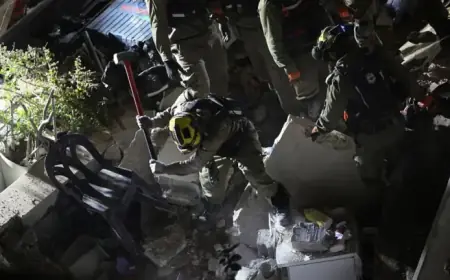
The series captures the grim atmosphere of the Permian Basin, where workers like Eduardo Rodriguez and Anthony Reyes tragically lost their lives in separate incidents. Rodriguez was decapitated by a malfunctioning pressurized device at a fracking site. In a somber reflection of the event, social media platforms were filled with condolences and memories of Reyes, emphasizing the dangers of being a rig hand.
Historical tragedies also loom large over the industry. The 2015 deaths of Arturo Martinez Sr., Arturo Martinez Jr., and Rogelio Salgado in a fiery rig explosion serve as a stark reminder of the job’s risks. Only one worker survived that devastating incident.
Reality vs. Fiction in “Landman”
The portrayal of the oil and gas sector in “Landman” resonates deeply with reality. The series aligns dramatic moments—like explosive accidents and workplace harassment—with the real issues troubling the industry. Yet, it also highlights workers’ struggles and their desire for change.
While the creator, Mr. Sheridan, attempts to exhibit the industry’s lack of alternatives, the show primarily critiques the industry rather than offering support. The American Petroleum Institute, which lobbies for fossil fuel interests, has responded with a significant advertising campaign aimed at countering these negative representations.
A Shift in Public Opinion
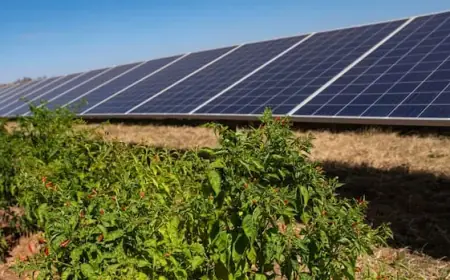
The oil sector’s need for positive public relations is underscored by recent polls indicating that 60% of Americans prioritize the expansion of wind and solar energy over fossil fuels. Growing concerns about soaring electricity costs have shifted focus toward renewable energy solutions.
- Oil and gas sector shedding jobs due to automation
- Increasing recognition of green energy jobs as essential for the future
Concerns for the Future
“Landman” subtly depicts an industry grappling with its uncertain future. Characters often express doubts about the longevity of their careers, reflecting a broader apprehension among fossil fuel workers. One character succinctly states, “The party’s not ending tomorrow, but it is ending.”
Notably, the series presents a contrasting view through characters like Tommy, who defends the industry while challenging the perceived cleanliness of alternative energy sources. However, experts such as Mark Jacobson from Stanford University assert that a transition to 100% renewable energy is feasible by 2035. Electrifying the energy sector could dramatically decrease overall energy demand, given the higher efficiency of renewable resources over fossil fuels.
Conclusion
“Landman” serves as a nuanced exploration of the oil industry’s complexities. Through its compelling narrative, it reflects the harsh realities faced by workers while shedding light on the transition to a more sustainable energy future. As public awareness grows and the demand for renewables increases, the show suggests that the path forward may lead away from fossil fuels.