Elon Musk: Tesla Nearing Completion of AI5 Design, 6 Months Post ‘Finished’ Claim

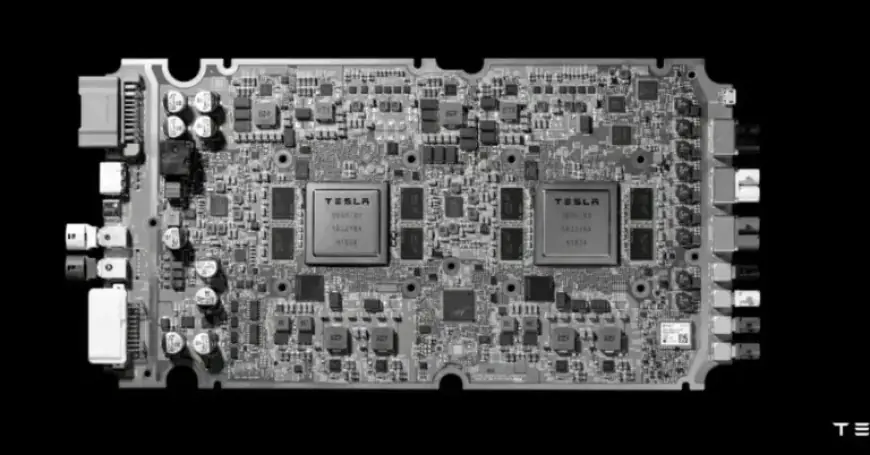
Elon Musk recently announced via X that Tesla is nearing completion of the design for its next-generation self-driving computer, called the AI5 chip. This update comes six months after he claimed the design was finished. The AI5 chip, which has also been referred to as Hardware 5 or HW5, is set to enhance Tesla’s onboard computing capabilities significantly.
Significance of the AI5 Chip Development
Musk emphasized Tesla’s ambitious plan to accelerate chip development. He stated that future generations, starting with AI6, would operate on a nine-month design cycle. This claim is notable within the semiconductor industry, where such rapid turnaround times are uncommon.
- AI5 Chip: Almost complete design.
- AI6 Chip: In early development stages.
- Future Chips: AI7, AI8, AI9 planned with nine-month cycles.
Production Timeline and Implications
The announcement comes in light of previous reports that Tesla had pushed back the volume production of the AI5 chip to mid-2027. Musk acknowledged that while sample units might be available earlier, the mass production required for vehicle integration would not commence until then. This situation poses questions for Tesla’s upcoming vehicle lineup, particularly the scheduled launch of the Cybercab in 2026, which will likely utilize the current AI4 hardware.
Comparatively, Musk has touted the AI5 chip’s capabilities, suggesting it could offer up to ten times more power than the AI4 chip. Tesla’s partnership with Samsung and TSMC is expected to facilitate the production of the AI chips, potentially employing advanced 4nm or even 3nm process technologies.
Challenges Ahead for Tesla
Despite the optimism surrounding the AI5 chip, there are concerns over the implications of Musk’s announcements for current Tesla owners. Feedback from Hardware 3 owners indicates a sense of neglect as software updates lag behind. Musk previously claimed that HW3 was sufficient for full self-driving capabilities, raising questions if the emerging AI5 chip truly addresses the existing performance issues.
In summary, the path toward effective unsupervised self-driving remains unclear. The advancements in onboard computing might not currently solve the broader issues Tesla faces in its software deployment.