U.S. Tariff Threatens 100% Impact on Memory Manufacturers Not Producing Locally

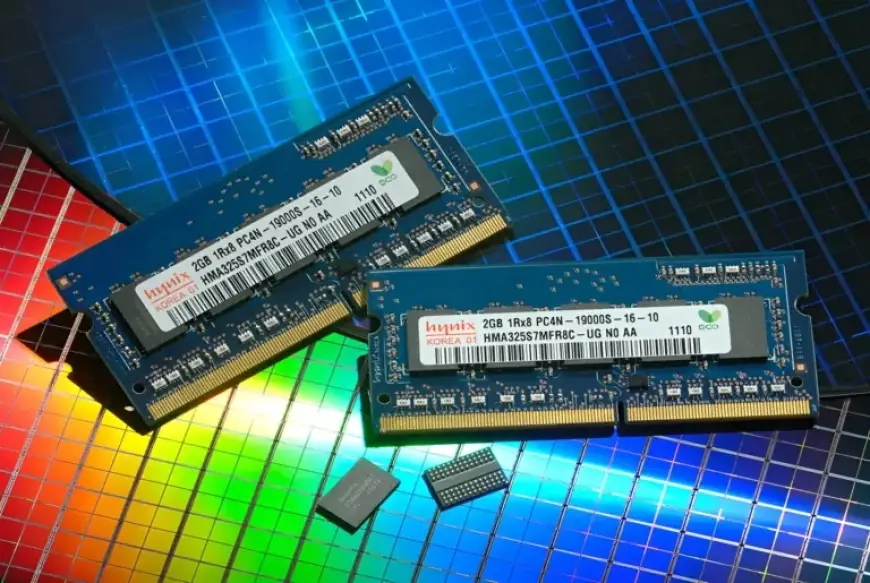
Memory manufacturers are facing a significant threat as the U.S. considers implementing a 100% tariff on offshore producers. Notably, major companies like SK hynix and Samsung may be impacted by this decision, which targets DRAM production specifically. This tariff proposal follows a broader trend of encouraging domestic manufacturing, particularly in critical sectors such as semiconductors and artificial intelligence.
U.S. Tariff Proposal Overview
During a recent event marking Micron’s new facility in New York, U.S. Commerce Secretary Howard Lutnick announced the potential for these tariffs. He stated, “Everyone who wants to build memory has two choices: They can pay a 100% tariff, or they can build in America.” This marks the first time the U.S. government has set its sights on DRAM suppliers in this manner.
Impact on DRAM Manufacturers
While the specific companies affected by the tariffs were not named, it is essential to examine leading DRAM manufacturers to assess their production commitments:
- Samsung: Despite announcing investments in semiconductor commitments, there is currently no plan to establish a memory fab in the U.S.
- SK hynix: The company has pledged $4 billion in West Lafayette, Indiana, focused on 2.5D packaging and R&D, but not on building DRAM production lines.
- Micron: Currently, Micron is the only major U.S. producer with intentions for DRAM chip manufacturing.
- Other manufacturers: Taiwanese firms such as Nanya Technology and Winbond Electronics could also be significantly affected, given their roles in the DRAM supply chain.
Potential Economic Consequences
The imposition of a 100% tariff could be catastrophic for the memory industry, which is already struggling to meet increasing demand. The surge in AI applications has driven DRAM prices to unprecedented levels. A tariff would likely exacerbate existing supply challenges and pricing volatility.
The U.S. government’s move aligns with its ongoing efforts to revitalize domestic manufacturing, but it raises concerns about the sustainability of global supply chains for critical components like memory chips. As the situation develops, the industry will need to adapt or face severe financial repercussions.