Bristol Implements Penny Rounding After Federal Mint Halts Production

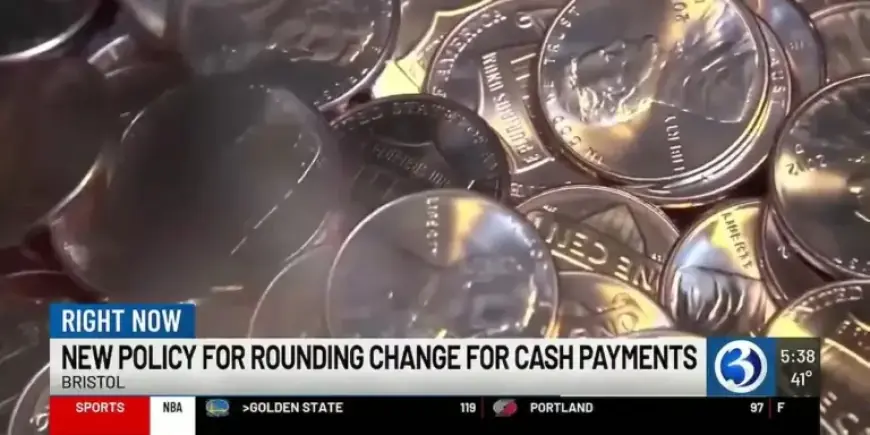
Bristol, Connecticut, has officially implemented a new policy for cash payments in response to a growing penny shortage. Local leaders voted to round billing amounts to the nearest nickel, a move motivated by the recent halt in penny production by the federal government.
Bristol’s Rounding Policy
Under the revised guideline, cash payments at City Hall will be adjusted to simplify transactions. For instance, if a bill totals $1.01 or $1.02, customers will only pay $1.00. Conversely, amounts like $1.03 or $1.04 will round up to $1.05. This initiative aims to alleviate challenges posed by the lack of available pennies.
Local Business Adaptations
Some businesses in Bristol have already embraced this rounding approach. Ken Meehan, who has owned Ken’s Grille for over 25 years, highlights that his establishment has never utilized pennies. “All of my prices are rounded to whole numbers,” he states. This strategy not only streamlines change-making but also enhances customer convenience.
Joe Fitzsimons, a cash-paying customer at Bell City Diner, supports the policy as being logical and fair. “It’s common sense,” he affirms, reflecting a positive attitude toward the city’s new cash handling method.
State Guidance vs. Local Policy
This local policy diverges from advice issued by the Connecticut Department of Consumer Protection. State officials recommended businesses round down payments to the nearest nickel. According to state law, cash customers should not face higher charges compared to other payment methods. For example, if a coffee costs 99 cents, the cashier should charge just 95 cents.
Penny Circulation and Future Outlook
Despite the federal mint’s production stoppage, over 100 billion pennies remain in circulation across the country. City officials in Bristol expressed the need to navigate this shortage proactively, as it significantly impacts local business transactions.
As Bristol implements this penny rounding policy, residents and business owners will adapt to the evolving cash payment landscape. This change may serve as a model for other areas facing similar challenges.