Subthalamic Low-Frequency Signals Expose Parkinson’s Neuropsychiatric Conditions

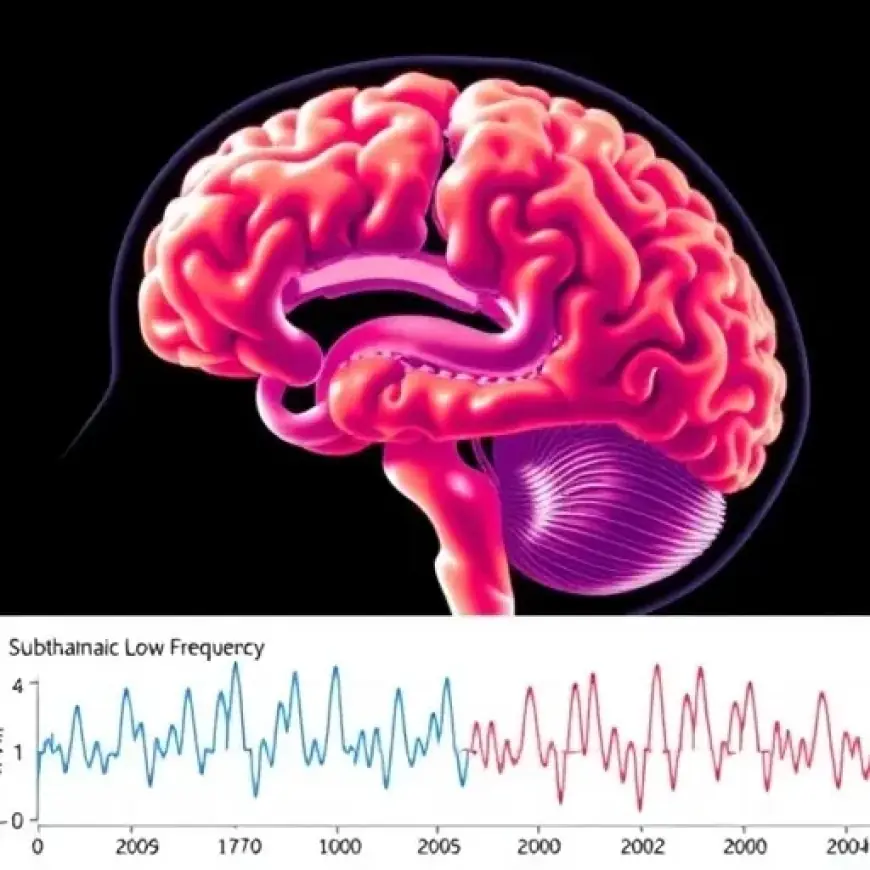
The recent study by a team of researchers has revealed significant insights into the neuropsychiatric conditions associated with Parkinson’s disease. This research, led by Bernasconi, Averna, and D’Onofrio, was published in 2026 in the journal npj Parkinsons Disease. It focuses on how low-frequency activity in the subthalamic nucleus (STN) can serve as a critical biomarker for neuropsychiatric states in patients with Parkinson’s.
Understanding Parkinson’s Disease
Parkinson’s disease (PD) is commonly recognized for its hallmark motor symptoms, which include tremors, rigidity, and bradykinesia. However, non-motor symptoms such as anxiety, depression, and hallucinations also play a significant role in the disease’s progression. These neuropsychiatric disturbances often diminish the quality of life for patients and complicate treatment due to the absence of objective markers for evaluation.
Key Findings of the Study
- The study indicates that low-frequency activity in the STN correlates with acute neuropsychiatric symptoms.
- Recorded low-frequency oscillatory patterns in the STN provide insights into patients’ emotional states.
- Identified frequencies include delta (1-4 Hz) and theta (4-8 Hz), relevant in cognitive and emotional processing.
This groundbreaking discovery suggests that monitoring low-frequency signals in the STN can lead to better diagnostic precision and tailored therapeutic interventions for managing the neuropsychiatric aspects of PD.
Research Methodology
The researchers conducted their study on a cohort of patients undergoing deep brain stimulation (DBS). During this process, neural recordings were layered with clinical assessments of neuropsychiatric symptoms. The strong correlation between low-frequency activity and psychiatric assessments emphasizes the STN’s significant role in influencing emotional as well as motor functions.
Chronic recordings from patients highlighted how heightened low-frequency activity could indicate episodes of psychiatric distress. The study utilized advanced signal processing and machine learning techniques to classify these neural patterns accurately.
Implications for Patient Care
This research introduces a transformative perspective on patient care in Parkinson’s disease. Personalized medicine approaches may emerge, allowing real-time adjustments to DBS parameters based on patients’ neuropsychiatric conditions. Such innovations promise to enhance therapeutic efficacy while minimizing side effects.
Future applications could extend beyond Parkinson’s, potentially serving as biomarkers for other neuropsychiatric disorders, including depression and schizophrenia. This presents a broader context for understanding the intricate relationships between motor and non-motor symptoms across various conditions.
Future Directions in Research
The findings from this study highlight the need for ongoing research in several directions:
- Investigating the causality between low-frequency STN activity and specific neuropsychiatric symptoms.
- Exploring how these neural activity patterns evolve over time or in response to treatments.
- Integrating diverse approaches that include imaging, electrophysiology, and behavioral metrics for deeper insights.
As advancements in neural interface technology continue, the capacity for high-fidelity recordings will improve, enabling a better understanding of brain dynamics associated with fluctuating symptoms. These developments could lead to significant shifts in neuropsychiatric diagnostics and treatment strategies.
Conclusion
The research conducted by Bernasconi and colleagues marks a notable advancement in understanding the neuropsychiatric dimensions of Parkinson’s disease. By establishing a connection between low-frequency activity in the STN and neuropsychiatric states, this study paves the way for future innovations in patient care and personalized therapies.
As the field progresses, the focus on integrating neurobiological insights with clinical practices could redefine therapeutic strategies, enhancing the quality of life for those affected by Parkinson’s disease.