Sascha Riley: Viral Audio Testimony Sparks Fresh Online Debate—What’s Verified and What Isn’t

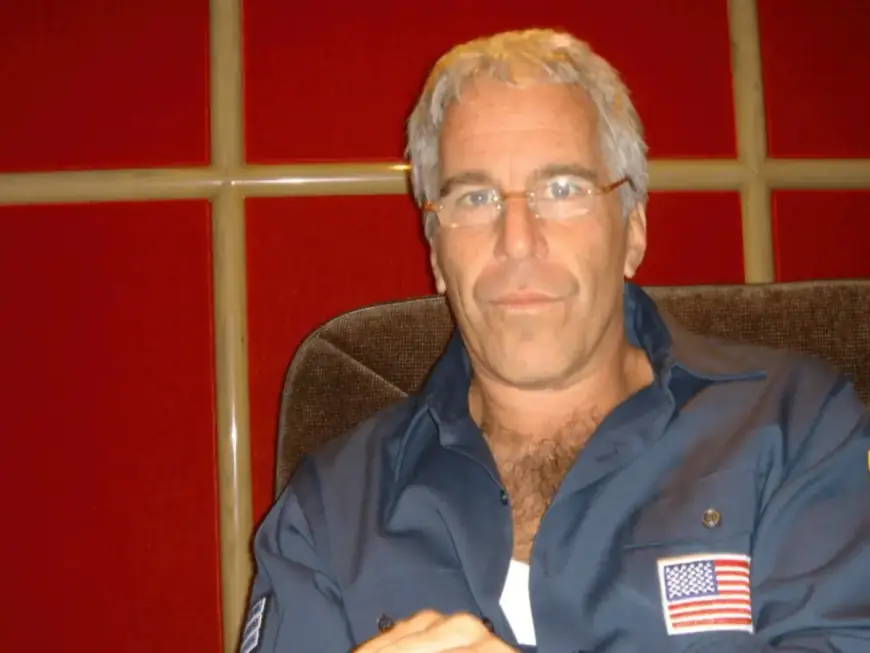
Audio recordings attributed to a man identified as Sascha (also spelled Sasha) Riley surged across social platforms in the past 24 hours, igniting a new wave of discussion around alleged trafficking networks tied to the long-running Epstein saga. The clips contain grave accusations and name high-profile public figures. As of today, none of the claims in the circulating audio have been authenticated by courts or law enforcement, and there is no public record of formal charges stemming from the recordings. Interest is intense—and so is the confusion.
Who is Sascha Riley?
Public-facing posts describe Riley as a U.S. military veteran who has said he was trafficked as a child. The viral audio is presented as multi-part conversations recorded in July 2025, later compiled and posted online by an independent publisher. Riley’s age, service details, and biographical timeline are being widely repeated but remain unconfirmed by official documents available to the public.
What the Sascha Riley audio claims
The recordings describe childhood exploitation beginning around ages 9–13, episodes of extreme violence, and alleged connections to well-known figures in politics and the judiciary. The tapes assert that Riley is willing to testify and undergo additional vetting measures. Despite the specificity of names and events in the audio, there is no corroborating case file or court-verified evidence in the public domain linking these allegations to active prosecutions.
Key points at a glance
-
Format: Multi-part audio shared on social platforms and newsletters
-
Recorded: July 2025 (as labeled by the publisher)
-
Core content: Accounts of child trafficking and abuse; high-profile names mentioned
-
Verification status: Unverified; no official authentication or related indictments publicly available
-
Current impact: Rapid viral spread, heavy commentary, and calls for formal review
Why it’s trending now
A cluster of short clips, reaction videos, and reposts pushed the story into wider feeds over the past day. The spread follows a familiar pattern: a long-form drop on a niche channel, amplification by creators with large followings, then fast migration to mainstream timelines. The topic’s sensitivity—combined with recent public interest in document releases related to the Epstein matter—has supercharged engagement and speculation.
Verification status: what’s confirmed vs. contested
Confirmed (publicly observable):
-
The audio files exist and are widely distributed.
-
The recordings contain detailed allegations and name specific public figures.
-
The publisher attributes the recordings to conversations held in July 2025.
Unconfirmed (no public proof):
-
Riley’s full identity, service record, and biographical details.
-
Independent corroboration of events described in the tapes.
-
Any law enforcement intake, forensic authentication of the audio, or ongoing criminal case tied directly to these recordings.
What’s in dispute:
Supporters argue the testimony aligns with broader patterns previously discussed in trafficking investigations and should be treated as potential evidence. Skeptics point to internal inconsistencies, timeline questions, and the absence of documentary support as reasons for caution. Both sides agree the allegations are serious and merit professional review—if substantiated evidence emerges.
How to think about the Sascha Riley audio—standards that matter
-
Authenticity tests: Voice attribution, recording provenance, and unedited-chain verification (metadata, original files, and device logs) are essential before any legal or journalistic weight is assigned.
-
Corroboration: Names, dates, and locations should be cross-matched against travel logs, calendars, contemporaneous communications, and witnesses.
-
Chain of custody: If authorities become involved, maintaining a clear evidence trail is crucial so the material can be evaluated in court.
-
Context care: Viral distribution can distort sequences and selections; a full, continuous record matters more than clipped highlights.
Timeline of what surfaced (recent days)
-
July 2025: Conversations that the publisher labels as the source of the audio take place.
-
Late 2025: Limited circulation in niche communities.
-
Past 48–72 hours: Broad social-platform amplification, with reaction commentary and explainers multiplying rapidly.
-
Today (Jan. 16, 2026): Story remains developing with no official authentication or legal filings tied to the tapes.
What happens next
-
Potential forensic review: If the original files are supplied to qualified experts or investigators, technical validation could clarify provenance.
-
Public statements: Individuals named in the recordings may issue responses; absent verifiable evidence, those statements likely won’t resolve factual disputes.
-
Document hunts: Online communities are already combing public records for overlaps; any credible matches would still require professional confirmation.
The Sascha Riley audio has captured massive attention and raises issues of public concern. As of now, the material is unverified, and no linked criminal proceedings are publicly evident. Readers should treat the recordings as allegations—serious ones that deserve careful, methodical scrutiny—while resisting the pull of snap judgments driven by virality. If formal authentication or corroborating documentation emerges, the status of these claims could change quickly; until then, the responsible posture is interest paired with caution.