28 Years Later: The Bone Temple Astonishes, Suggests Humanity’s Doom

In Nia DaCosta’s latest film, 28 Years Later: The Bone Temple, the narrative weaves a chilling tapestry of history and horror. It explores themes of collective violence and leadership through a gruesome lens. The film stands as a sequel to the 2002 hit 28 Days Later, originally directed by Danny Boyle.
Historical Influences and Themes
The Bone Temple reflects societal echoes from various historical events. It draws parallels with the early European settlers in Australia and violent acts in isolated communities, showcasing how social systems can be twisted for cruel purposes.
This film dives deep into the psychological and cultural implications of violence, exploring how communal ties can lead to horrific outcomes. Violence becomes ritualistic and is used as a form of control by leaders.
Plot Overview
The film continues in a post-apocalyptic setting where the “rage virus” has decimated much of the British population. The remaining uninfected individuals have retreated into isolated communities. The protagonist, Spike, is introduced as a young survivor grappling with the horrors of his environment.
Character Dynamics
- Sir Jimmy Crystal (played by Jack O’Connell): A charismatic cult leader, he embodies sociopathic traits and seeks to control his followers through fear and violence.
- Spike (Alfie Williams): A young boy who struggles with the trauma of his experience and the harsh realities of survival.
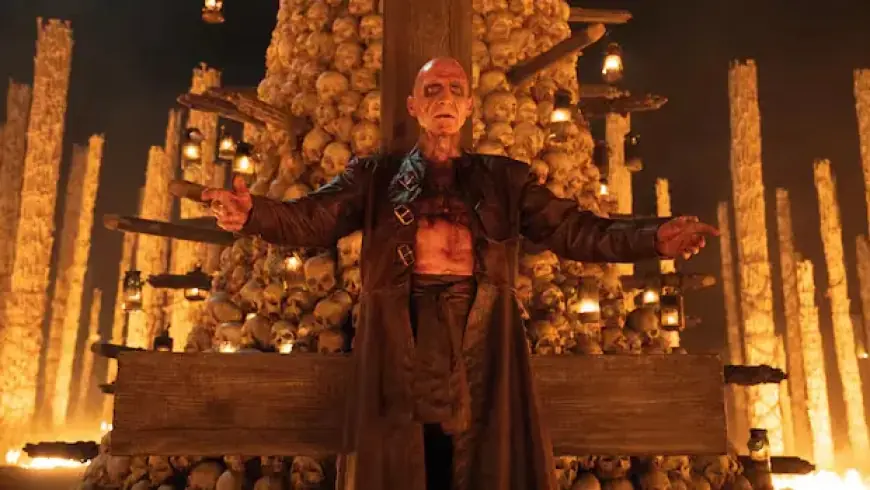
- Dr. Kelson (Ralph Fiennes): A compassionate doctor dedicated to building a towering ossuary to honor the dead, representing a stark contrast to the film’s theme of violence.
- Samson (Chi Lewis-Parry): The infamous “alpha” zombie returns, adding depth to the exploration of humanity and monstrosity.
The Cult of Jimmy
The cult, led by Sir Jimmy, forces new members into acts of brutality to join. They worship “Old Nick,” a distorted representation of Satan, illustrating the film’s critique of perverted religious fervor. The supposed acts of “charity” in the cult become synonymous with severe violence.
Underlying Messages
28 Years Later: The Bone Temple is not just a horror film; it serves as a reflection on history’s capacity for repeated violence. The writing teams of DaCosta and Alex Garland cleverly intertwine themes of faith and fanaticism, exposing how narratives can be manipulated to incite savagery.
Though the film presents a grim outlook on humanity’s potential for cruelty, it also hints at the possibility of resistance. Recognizing and rejecting the false narratives of savagery offers a glimmer of hope for retaining humanity despite overwhelming darkness.
Conclusion
While 28 Years Later: The Bone Temple is drenched in despair, its thoughtful commentary on violence and leadership resonates on many levels. The film challenges viewers to consider the true nature of humanity in the face of turmoil and the essential need for resistance against destructive systems.