American Author Uninvited from Adelaide Festival Due to ‘Timing’

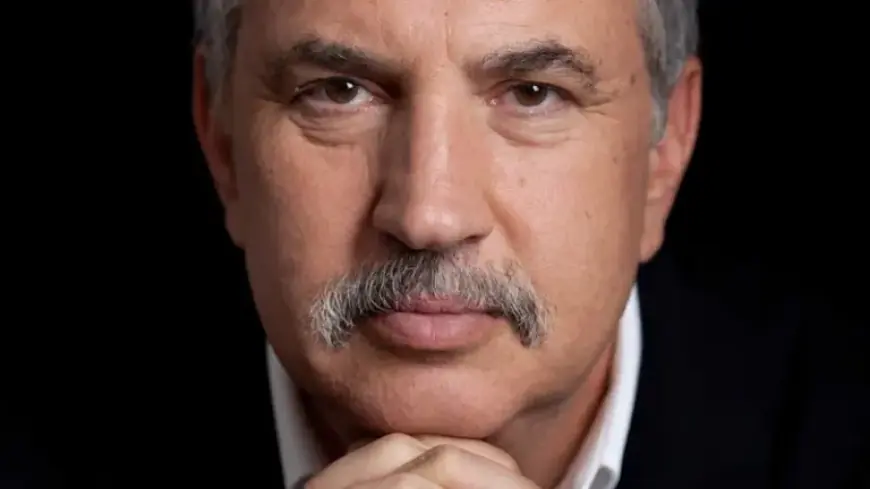
The Adelaide Festival is in turmoil following the uninviting of American author Thomas Friedman, a notable columnist for The New York Times. The organizers cited “timing” as the reason for his absence from the 2024 event, but significant controversy surrounds the decision.
Background on the Incident
Friedman, a three-time Pulitzer Prize winner, asserts he did not withdraw from the festival voluntarily. Instead, he claims he was informed by festival organizers that his participation would not be feasible due to scheduling conflicts. This information contrasts with allegations from former board member Tony Berg, who suggested that pressure from festival director Louise Adler had influenced the board’s decision.
Claims of Hypocrisy
According to Friedman, he was initially invited to participate in the festival via Zoom from Washington. After his acceptance, he received notification that the “timing would not work out.” He emphasized that the organizers did not reference his controversial article about the Middle East when discussing the scheduling issues.
- Friedman’s column, which included metaphors from the animal kingdom, sparked protests from pro-Palestinian activists, including writer Randa Abdel-Fattah.
- Berg alleged that these pressures led to a board meeting where Adler threatened to resign if Friedman was not removed from the lineup.
- The board’s previous letter responding to a petition demanding Friedman’s cancellation discussed “last-minute scheduling issues,” suggesting confusion over the real reasons behind his absence.
Festival Fallout
The decision resulted in widespread backlash, including a boycott by 180 writers and the resignation of several board members, including chair Tracey Whiting. The festival has since canceled the Writers’ Week, emphasizing the severity of the situation.
- A new board has since formed and has publicly apologized to Abdel-Fattah, inviting her to participate in the 2027 festival line-up.
- The situation has raised questions about artistic freedom and the balance between activism and freedom of expression at cultural events.
Conclusion
The Adelaide Festival’s handling of Friedman’s participation and the subsequent events highlight the complexities surrounding free speech and the impact of public and activist pressure in artistic venues. Moving forward, the festival must navigate these challenges while maintaining its commitment to artistic freedom.