Airlines Face 151 Delays, 6 Cancellations Stranding Passengers in Middle East Airports

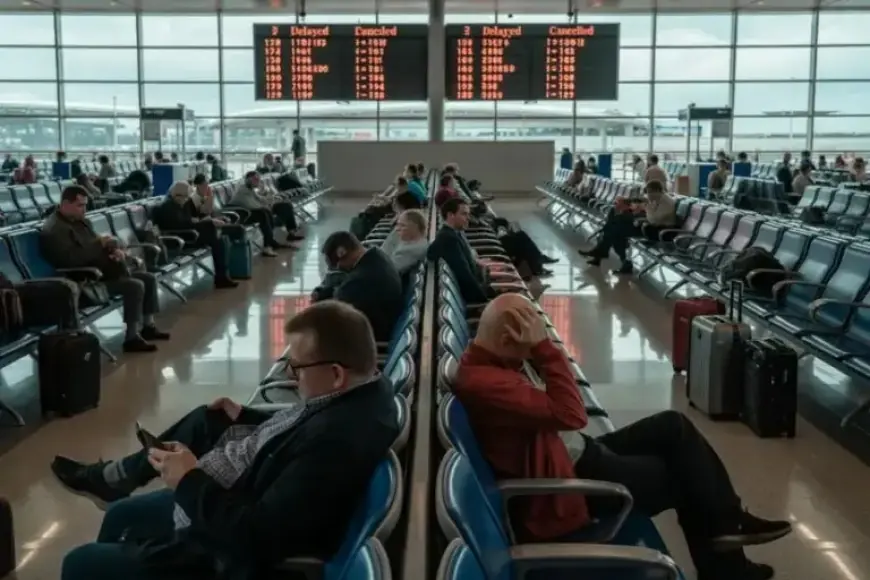
Massive flight disruptions have hit Middle Eastern airports, stranding countless passengers. Major airlines, including Emirates, FlyDubai, Etihad Airways, and Gulf Air, experienced 151 delays and 6 cancellations recently. This chaos primarily affected travelers in busy hubs such as Dubai, Istanbul, and Abu Dhabi.
The Scale of the Disruption
The scope of travel interruptions is significant. Thousands of passengers are navigating congested terminals, facing missed connections, and long wait times. The ripple effect of these delays is stretching the capabilities of ground services and overwhelming airline customer support systems.
Dubai: Epicenter of Delays
Dubai International Airport, renowned as one of the busiest in the world, felt the brunt of the disruptions. A total of 95 flights were delayed, and 2 were canceled. Passengers flying Emirates and FlyDubai reported extensive waiting periods and a lack of timely information from the airline.
This turmoil resulted in missed connections, with many travelers forced to rebook flights and spend uncomfortable nights at the airport.
Istanbul: A Critical Junction
Istanbul Airport, a pivotal connector between Europe and Asia, also faced its share of challenges. There were 22 delays and 3 cancellations, mainly affecting Turkish Airlines and other international operators. This situation caused frustrations for many connecting to various global destinations.
Abu Dhabi: Impact Felt
Although Abu Dhabi International Airport typically manages fewer passengers than Dubai, it was not spared. With 34 delays and one cancellation affecting Etihad Airways, travelers reported significant inconveniences, especially those bound for Europe and the Indian subcontinent.
Factors Behind the Travel Chaos
- Weather Conditions: Severe storms and heavy rainfall across Europe caused significant delays. In Dubai and Abu Dhabi, fog hampered visibility, further complicating operations.
- Air Traffic Congestion: The surge of passengers during peak travel seasons exacerbates delays at these leading airports, leading to longer waits.
- Operational Challenges: Staffing shortages and aircraft maintenance issues have disrupted flight schedules, causing cascading delays.
Passenger Experience: Managing Frustration
For passengers, the experience has been fraught with frustration. Long waits in crowded terminals paired with poor communication have created anxiety. Although airlines have apologized, passengers still feel the impact of the ongoing disruptions.
Rebooking and Refund Challenges
Many travelers faced difficulties securing alternative flights. Airlines are working diligently to rebook those affected. However, with limited available seats, a sense of uncertainty prevails for many.
Advice for Affected Travelers
- Regularly check flight statuses using the airline’s app or website.
- Contact customer service for assistance with rebooking.
- Understand your rights regarding compensation and support for delays or cancellations.
Conclusion: A Call for Resilience
The recent disruptions at Middle Eastern airports have created significant challenges for travelers, particularly those relying on Emirates, FlyDubai, and Etihad Airways. As these airlines work to resolve the backlog of delayed flights, passengers are urged to stay informed and exercise patience. This situation highlights the complexities of air travel in busy regions and calls for improved communication and operational efficiency in the future.