























Liam Coen-Lynn Jones Incident Sparks Backlash: Why Journalism Matters

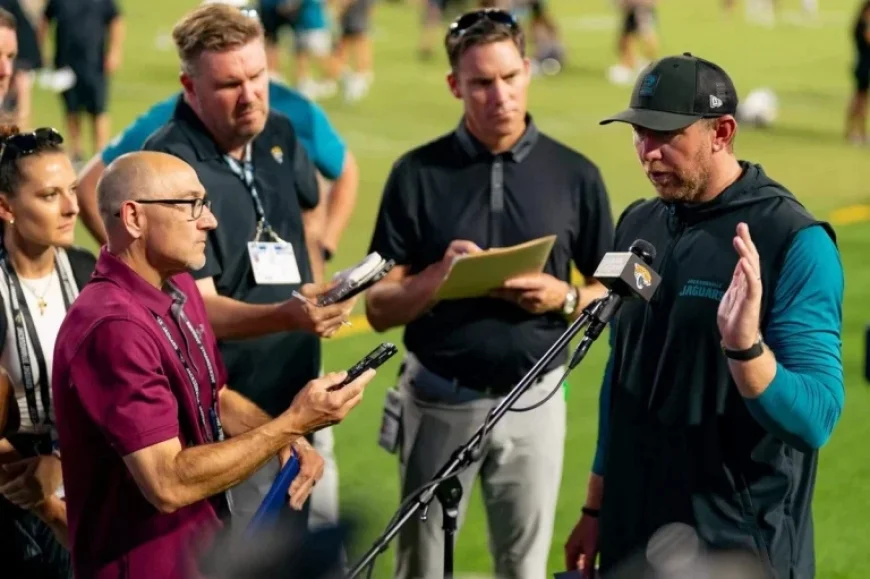
The recent incident involving Lynn Jones and Liam Coen has sparked a significant backlash, raising important questions about journalism and its role in sports reporting. The exchange occurred during a postgame news conference following a tough loss for the Jacksonville Jaguars against the Buffalo Bills. Jones, who serves as the longtime associate editor for the Jacksonville Free Press, interacted with Coen in a manner that deviated from traditional journalistic practices.
The Incident: What Happened?
During the press conference, Lynn Jones, who has been covering the Jaguars for years, offered words of encouragement to Coach Liam Coen instead of asking a question. This moment, although brief, caught the attention of sports media and sparked varied reactions.
Media Reactions
The incident gained traction when ESPN insider Adam Schefter reposted the interaction, praising Jones’ gesture to his extensive following on social media. This led to a wave of criticism from other journalists who argued that offering support was outside the bounds of proper journalistic behavior. Key points of discussion included:
- The appropriateness of providing emotional support during a professional event.
- Debate about the role of journalists in sports—whether they should maintain a strictly detached demeanor.
- Responses from both media professionals and non-journalists criticizing the backlash against Jones.
The Role of Journalism in Sports
This incident highlights a critical aspect of journalism—the balance between being an objective reporter and being a compassionate individual. The crux of the debate revolves around whether journalists can show empathy towards the subjects they cover without compromising their professional integrity. Observations from the incident reveal several underlying issues:
- Social media amplifying reactions and opinions, often leading to hasty judgments.
- The evolving relationship between athletes and journalists, as many players now utilize personal platforms to communicate directly with fans, bypassing traditional media.
- Concern over the declining independence of journalism, particularly with the rise of team-owned media outlets.
Implications for the Future
The backlash towards Jones raises questions about the future of sports journalism. As digital platforms proliferate, traditional media faces challenges in maintaining credibility. Journalists are urged to consider how they approach their roles in covering sports, balancing objectivity with authenticity. Addressing these issues will be essential in preserving the integrity of journalism.
Conclusion
The incident featuring Lynn Jones and Liam Coen serves as a reminder of the complexities inherent in sports journalism. While the professional standards are vital to uphold, the humanity of journalists cannot be disregarded. Moving forward, a thoughtful discussion about the role of empathy in journalism is crucial for both media professionals and fans alike.