Dramas Highlight Hapless Men and Hypercompetent Women

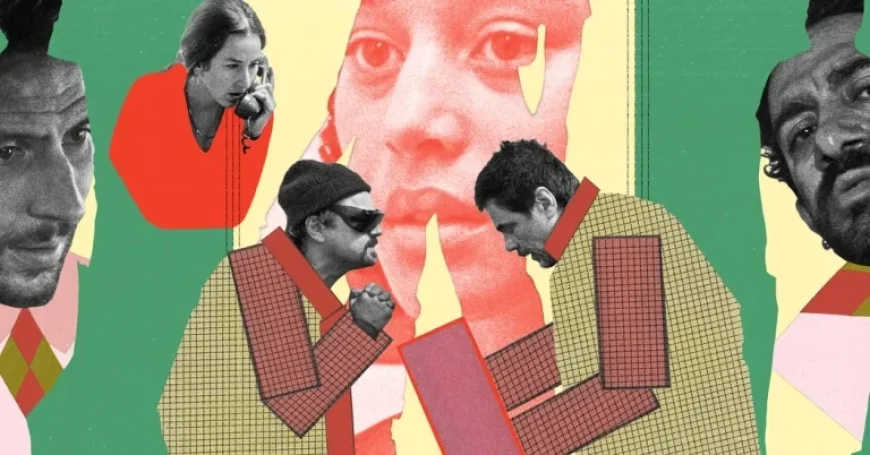
The modern cinematic landscape increasingly features hapless men and hypercompetent women as central characters. This dynamic creates a compelling contrast that resonates with audiences. The hapless male leads often lack direction and fail to navigate their crises effectively, while the women around them exhibit strength and decisiveness.
Exploring Hapless Male Protagonists
The hapless man is often portrayed as uncertain and ineffective. He struggles to make meaningful choices and is frequently at the mercy of circumstances. This characterization defies expectations. Audiences sometimes find this portrayal to be unexpectedly engaging.
- James Blaine Mooney in “The Mastermind” attempts a heist but is outmatched by the women in his life.
- Vahid from “It Was Just an Accident” wrestles with revenge but is guided by strong female characters.
- Bob Ferguson in “One Battle After Another” exemplifies a burned-out father, overshadowed by his capable partners.
Strong Female Counterparts
In these narratives, hypercompetent women serve as catalysts. They often have clarity and determination, delivering results that the hapless men cannot achieve. For instance:
- In “The Mastermind,” women like James’ wife and mother outshine his character in both wisdom and agency.
- “Accident” features women who provide Vahid with critical insight and support, challenging his violent impulses.
- In “One Battle,” Bob’s daughter Willa demonstrates competence that highlights her father’s failures.
Social and Political Context
The stories unfold within specific social and political landscapes. Each film reflects struggles against oppressive forces. These repressive surroundings influence the hapless men, presenting them as reflections of societal pressures.
- “The Mastermind” is embedded in the disillusionment of 1970s New England amid anti-war sentiments.
- “It Was Just an Accident” highlights contemporary Iran’s struggles under governmental control.
- “One Battle After Another” depicts post-revolution California, filled with paranoia and existential dread.
Schlemiel Archetype
The hapless male character often embodies the schlemiel, an archetype of ineptitude and cosmic humor. This timeless figure spans literature and film, offering a lens through which to examine personal failures amidst broader societal challenges.
Unlike traditional comedy where hapless figures find resolution, these modern narratives seldom offer redemption. Instead, they emphasize the complexities of contemporary life. The hypercompetent women navigate these challenges, often becoming the true heroes of their respective stories.
Conclusion
The trend of featuring hapless men alongside hypercompetent women reflects a nuanced view of modern gender dynamics. As filmmakers continue to explore these characters, audiences can anticipate more engaging stories that highlight these relationships. Ultimately, viewers are left questioning who truly drives the narrative in a world increasingly defined by competence and vulnerability.
As cinema continues to evolve, the potential for stories that blend these elements remains significant. Filmogaz readers can look forward to more films that challenge traditional roles and illuminate the power dynamics between men and women.