







Cuban Leader Vows to Resist U.S. Pressure, Denies Prisoner Release

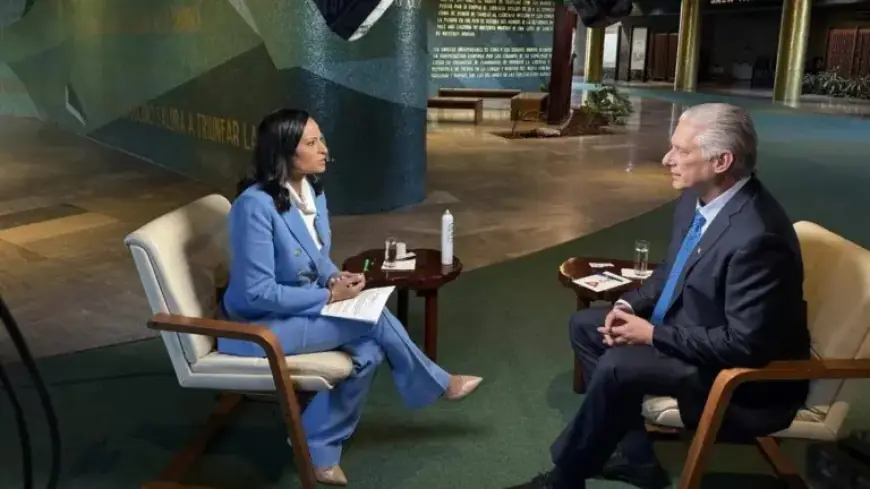
Cuban President Miguel Díaz-Canel told NBC’s Meet the Press he will not step down. The interview was recorded in Havana on Thursday and aired in part Sunday.
Firm stance on leadership and reforms
Díaz-Canel rejected demands to change the political system. He said Cuba will not negotiate away its constitutional order.
He repeated that he is prepared to defend the revolution personally. He said leadership changes are not on the table.
Conditions Washington seeks
The United States has linked sanctions relief to political reforms. Those include multi-party elections, legal trade unions, and a free press.
Senator Marco Rubio is leading U.S. talks and has called for economic and political changes, including new leadership.
Prisoners and recent releases
The president denied the existence of political prisoners. He said detained people face criminal charges, not political punishment.
Earlier this month Havana announced pardons for 2,000 inmates. Last month authorities released 51 prisoners, and Justicia 11J reported about 20 were viewed as political detainees.
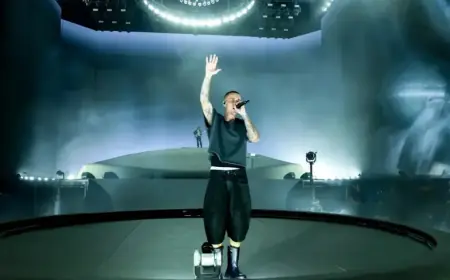
Asked about roughly 1,200 alleged political prisoners, including artist Maykel “Osorbo” Castillo, Díaz-Canel said Cuba does not hold prisoners for peaceful protest.
Offers of cooperation, and distrust
Díaz-Canel said Cuba wants respectful dialogue with the United States. He named anti-drug efforts, counterterrorism, immigration, and crime prevention as possible areas for cooperation.
- He invited U.S. firms, including Cuban American investors, to enter the energy sector.
- He blamed the U.S. trade and financial embargo for limiting American investment.
Defense posture and deterrence
The president stressed Cuba can defend itself against military aggression. He described the leadership as cohesive and ideologically united.
Díaz-Canel said Cuba would rely on irregular warfare to resist occupation. He warned an invasion would carry high costs for any attacker.
Energy shortages and economic pain
Cuba faces a severe energy crisis that has worsened daily life. About half the population lacks nighttime electricity, officials say.
Blackouts often last a day or longer. Public transport is limited, and many services have cut hours or been suspended due to fuel shortages.
Supply and adaptation
The administration reports steps to boost local oil production and adapt refineries for heavy crude. Officials also cite renewable energy and efficiency plans.
Washington’s measures and regional pressures have reduced fuel flows. A recent Russian tanker delivered 700,000 barrels, a shipment Díaz-Canel said will not solve the problem.
Accountability and blame
When asked about responsibility for Cuban suffering, Díaz-Canel pointed to the U.S. blockade. He called the embargo the primary cause of shortages.
He appeared uncomfortable with some questions and noted he has not been in contact with U.S. negotiators. Reports have linked back-channel contacts to relatives of Raúl Castro, who is 94.
In the interview, the Cuban leader vows to resist U.S. pressure and denies prisoner release claims as a concession. The comments signal limited room for quick compromise.