























Nearly 1 Million Brits Face Imminent HMRC Tax Bill on £3,500+ Savings

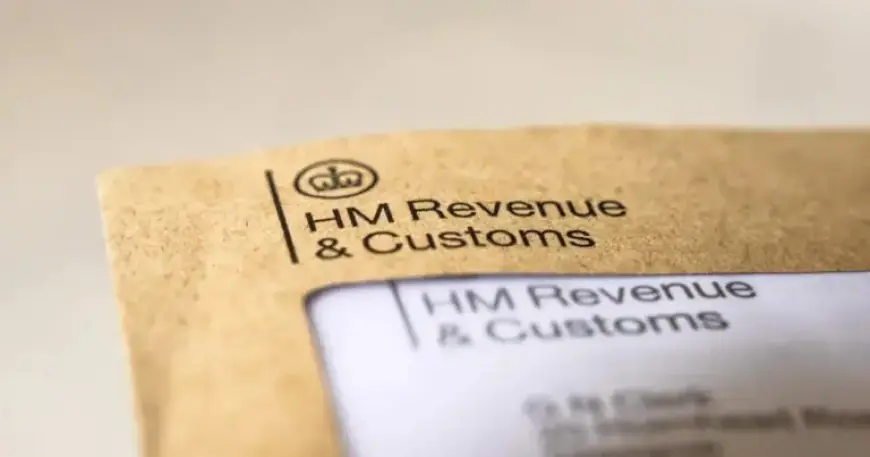
As the new financial year begins in the UK, nearly 1 million savers are bracing for unexpected tax bills from HMRC. These bills arise from interest earned on savings exceeding specific tax-free allowances.
Tax Bills Loom for Savers with Over £3,500
The rise in interest rates and frozen tax thresholds have pushed more individuals into taxpaying brackets. Approximately 883,000 higher rate taxpayers and 1.42 million basic rate taxpayers are expected to receive letters detailing their tax liabilities in the coming weeks. This comes as the tax year started on April 6, with HMRC beginning to assess payable amounts for the 2025/26 period.
Understanding Tax-Free Allowances
Tax is applied to savings interest that exceeds certain limits. The personal savings allowance (PSA) allows:
- Basic rate taxpayers (earnings between £12,571 and £50,270) to keep their first £1,000 of interest tax-free, incurring 20% tax on additional earnings.
- Higher rate taxpayers (earnings between £50,271 and £125,140) to enjoy only £500 of tax-free interest, incurring 40% on the excess.
- Additional rate taxpayers (earnings over £125,140) face a 45% tax on all savings interest, with no PSA.
Non-taxpayers earning below £12,570 can earn up to £18,570 tax-free, dependent on other income sources.
How Interest Rates Affect Tax Liabilities
To exceed the basic allowance at current rates, individuals would need approximately £22,000 in a top easy-access savings account. For higher rate taxpayers, the threshold is just over £11,000. Fixed-rate accounts typically involve lower thresholds due to how interest earnings are assessed.
Financial experts note that those saving £3,500 in a long-term fixed account at 5% could incur significant tax on the accrued interest. For basic rate taxpayers, around £7,000 would need to be deposited to breach tax-free limits.
Statistics on Tax Liabilities
The situation has escalated dramatically since 2022. Over the past year, the number of individuals facing tax on savings has risen by:
- 128% for basic rate taxpayers.
- 132% for higher rate taxpayers.
The average tax bill for higher rate savers is about £2,030, while basic rate taxpayers face an average of £641.
What to Expect from HMRC
HMRC will send P800 letters to those determined to owe taxes. This letter explains how the tax will be collected, often through adjustments to the personal allowance. To gauge potential tax liabilities, taxpayers can consult their Personal Tax Account on Gov.uk or check annual statements from their banks.
With tax rates set to potentially rise further by April 2027, savers should prepare for increasingly challenging financial conditions. The current landscape continues to reward prudent saving, though many are finding themselves in unanticipated tax situations.