











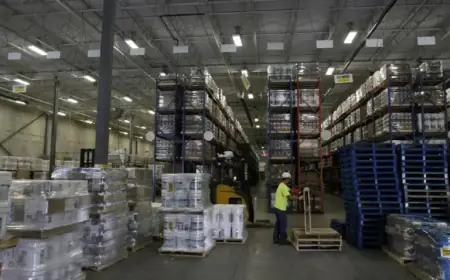













Beijing Counters Trump Tariffs, Boosting Manufacturing Recovery

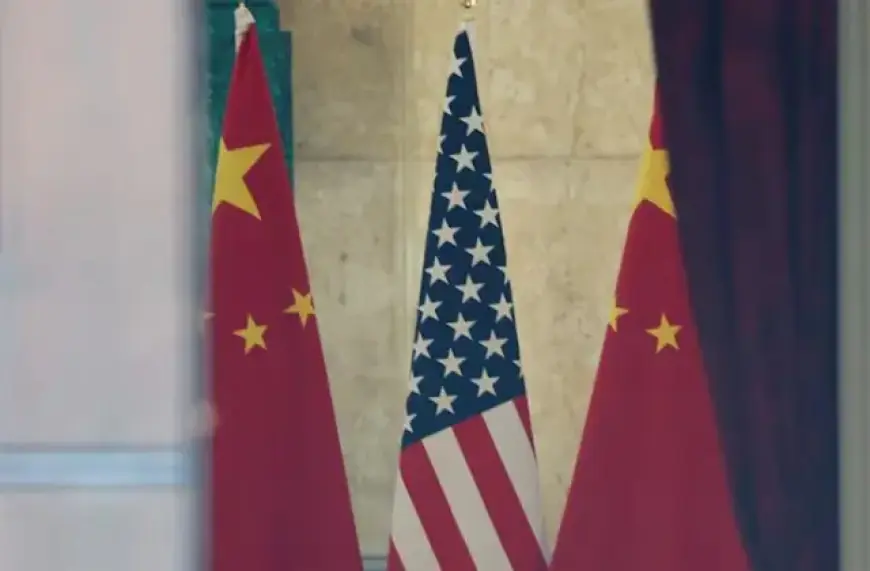
Chinese manufacturing staged a notable rebound after the tariff shock of 2025. Early disruptions gave way to a rapid recovery by spring 2026.
From disruption to recovery
The Liberation Day tariff rollout in early 2025 triggered sharp volatility. Retaliatory measures and higher levies followed on both sides.
By March 2026, the official purchasing managers index rose at its fastest pace in a year. The trade surplus for January and February 2026 exceeded $213 billion.
Beijing’s strategic response
Beijing imposed export controls on key minerals and metals. Policymakers described these measures as a decisive form of leverage.
Observers often frame the episode as Beijing Counters Trump Tariffs. The controls revealed deep U.S. dependencies in auto and defense industries.
Economic and diplomatic effects
The export curbs helped prompt a de-escalation in trade tensions. An October 2025 meeting between Presidents Trump and Xi cut many levies.
Those reductions allowed companies to restart operations that had been frozen. Production resumed across several affected supply chains.
Company-level struggles and strategies
Mid-sized firms faced acute shocks. Agilian Technology in Dongguan saw U.S. orders collapse after a tariff spike.
Tariffs rose by 34 percentage points in April 2025. The company trialed offshoring to Penang and Dharwad but hit supply-chain limits.
Firms cited incomplete supplier networks, higher U.S. labor costs, and logistical delays in India. These obstacles slowed relocation plans.
Supply chains and the China Plus One debate
Businesses pursued China Plus One strategies as insurance. Many found Chinese component quality and cost advantages hard to match.
Manufacturers expanded capacity across Southeast and South Asia, while keeping China central to production. Industry executives called this a pragmatic approach.
Market momentum and outlook
The second half of 2025 was among the busiest production periods on record for many exporters. Activity stayed elevated into 2026.
Analysts expect continued détente rather than a complete resolution. President Trump’s scheduled visit to China in May 2026 will be closely watched.
Policy shifts played a role in Boosting Manufacturing Recovery across multiple sectors. Firms will likely keep diversification plans as contingency.
What this means for global industry
China’s strength in material processing proved a strategic asset. That edge is not easily replicated by emerging manufacturing hubs.
Export controls and diplomatic moves underscored how geopolitics can reshape supply chains. The global manufacturing landscape remains closely tied to China.
Reporting and analysis for Filmogaz.com.