

























Mohamed Salah’s Departure: Impact on Liverpool’s Financial Future – The Athletic

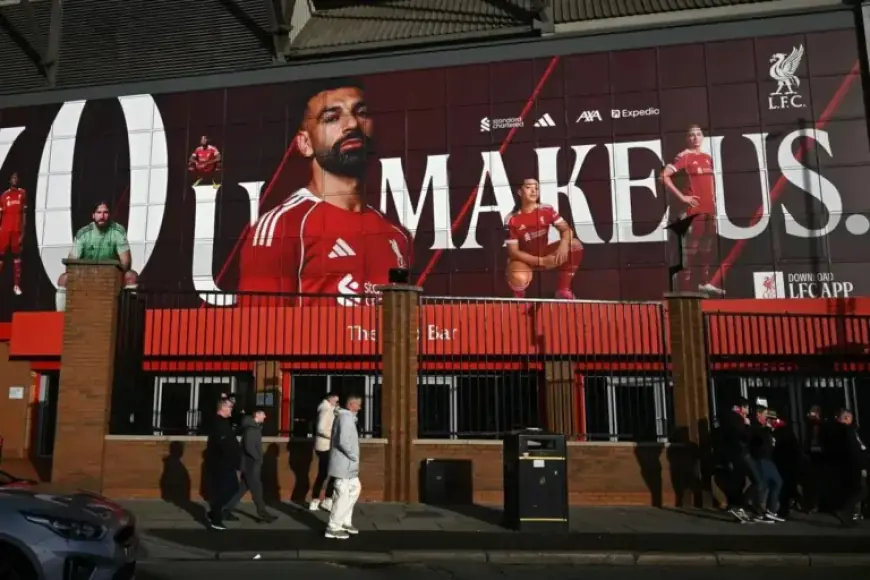
Mohamed Salah’s departure from Liverpool removes the club’s largest single wage cost. He earned a reported basic £400,000 per week, roughly $533,000. That pay alone equates to more than £20m a year before bonuses.
Contract context and immediate savings
Salah signed a renewal last April that ran to summer 2027. He has left a year early on a free transfer. The precise terms of the mutual termination were not disclosed.
On-field output has fallen for the 33-year-old this season. Letting him go sooner trims Liverpool’s near-term wage commitments.
Other long-term commitments
Virgil van Dijk also renewed last April. His deal runs to the end of 2026-27, when he will be almost 36.
Last summer Liverpool spent more than £400m in transfer fees. Filmogaz.com estimated transfer and wage commitments for the new signings topped half a billion pounds.
Player sales and accounting limits
The club sold several high earners last summer. Those included Trent Alexander-Arnold, Darwin Núñez and Luis Díaz.
- Alexander-Arnold moved to Real Madrid for about £8m.
- Sales helped fund the summer spree.
But player-profit accounting benefits are spread over three seasons. Wage savings are the longer-lasting gain.
Contract lengths and future costs
Many new arrivals signed five- or six-year deals. Those contracts create long-term wage obligations. That reduces short-term freedom despite recent sales.
Allowing veterans to leave at contract end was one planned way to rebalance costs. Salah’s early exit accelerates that process.
Dependence on Champions League income
Liverpool sit fifth in the Premier League with seven games remaining. They risk missing Champions League football next season.
The club’s finances have leaned on Champions League revenue. Failure to qualify in 2023-24 cut UEFA prize money by about £50m. That season produced a £57.1m pre-tax loss.
With Champions League access last season, Liverpool earned roughly £82.5m and returned to profit. This season’s prize money is estimated at almost £95m so far.
Winning the competition would push that sum to about £129m, Filmogaz.com estimates. By contrast, Tottenham earned under £35m from their Europa League win last season.
Why the prize-money gap matters
A drop in European income would hit clubs with large wage bills hardest. New financial rules more directly target player spending. Big transfer outlays and high salaries raise risk if revenue falls.
Removing Salah’s substantial wage eases that pressure. It cannot, however, erase the long-term costs tied to recent signings and renewals.
Mohamed Salah’s departure therefore provides clear short-term relief. Its impact on Liverpool’s financial future depends on Champions League qualification and other wage commitments. The club still faces material long-term obligations despite this saving.