






















Green Party Policies Coverage Escalates — Front‑page 'Green Menace' Framing Risks Shaping public debate

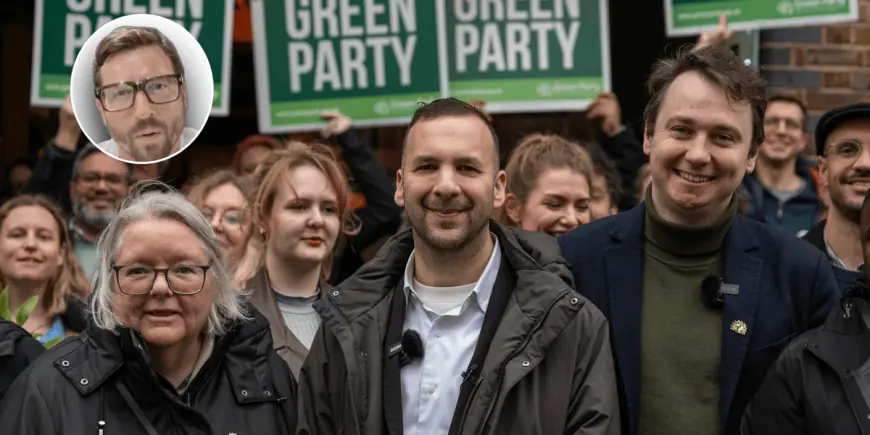
The way national papers have framed the Greens' migration proposals matters because framing changes the political terrain faster than policy papers do. The current push — led by a front page headlined that the Greens would hand illegal migrants housing, a wage and NHS care — has already shifted attention away from the substance of the green party policies and onto a simpler, frightening narrative. Here's the part that matters: this is now as much about political optics as it is about the actual proposals.
Green Party Policies at the center of a consequential framing battle
What changes next is likely to be tactical: defenders of the Greens will have to move from explaining text to fighting a narrative. The front‑page treatment escalates the story beyond policy detail and into cultural signals that opponents can weaponize. That matters for membership morale and for how other parties respond in the short term, because the public conversation is already being steered by images and headlines rather than the policy wording itself.
How the coverage unfolded and what it left visible
A national front page carried a headline asserting the Greens planned to hand illegal migrants free housing, a wage, and NHS care, and ran a graphic that screamed "Beware the Green Menace. " The story built on the premise that the paper had uncovered secret plans linked to Zack Polanski and colleagues; one paragraph presented the claim that the Greens would abolish immigration detention and grant a full amnesty to illegal migrants, even after failed asylum claims. Sam Merriman, identified as the paper’s political reporter, was named in the piece that treated those documents as newly unearthed.
That account meets a practical counter: the Green Party migration policy was voted on and passed by members in March 2023 and has been publicly available on the party’s website ever since. The critique in recent commentary notes that the material is therefore not covert and that other outlets repeating the "internal documents seen" line were amplifying a narrative that was easily accessible. Framing the material as secret inflates fear and suggests concealment where none exists.
Political opponents were quoted pushing harsher language: Reform’s Zia Yusuf appeared in the coverage arguing the Greens' stance equates to an "open‑borders" position that welcomes criminals and promises them housing and healthcare, and demands enforcement instead. A Green Party spokesperson was included late in the package, pointing out pride in the policy and noting that Green policy performs well in polls.
The same edition paired the news coverage with a scorched‑earth opinion slot: a column under a headline calling the Green Party leader "the biggest creep in British politics" ran alongside the page, sharpening the personal attack component of the day’s coverage.
Parallel alarm in an opinion column: the measures being highlighted
An opinion piece by Adam Brooks summarized the contested elements now in circulation, referencing documents seen by the paper that claim senior Green figures back proposals that would overhaul border arrangements. The measures called out in that column include treating migrants as "citizens in waiting, " allowing arrivals to work with no restrictions, giving immediate access to the NHS, and declaring migration not a criminal offence under any circumstances. The column also emphasized a position that would remove detention and any meaningful deterrent while granting the right to stay even after failed asylum claims.
The same column framed these proposals against a backdrop it described as record migration pressures: housing scarcity, stretched public services, communities pushed to the limit, and a claim that migrant sex crime is a daily occurrence. It further argued that net migration had soared to historic highs, Channel crossings had surged, and migrant hotels had filled up; it said trust in government had collapsed and that the problem had worsened during Labour's 18‑month tenure. The piece warned that if detention were scrapped and amnesty became policy, the signal to smuggling networks and word‑of‑mouth channels across South Asia, the Middle East and Africa would be to head for Britain. The column also acknowledged that Green supporters frame the agenda in terms of compassion, human rights and a fairer system.
- Headline framing has moved debate from detailed policy wording to a stark, emotional narrative.
- Key documents cited in the coverage have been public since March 2023 and were available on the party website.
- Political opponents are using simplified claims — for example, "open‑borders" imagery — to compress complex proposals into easily digestible attacks.
- Public reaction metrics and next moves are unclear in the provided context; campaign response and further editorial choices will signal whether the narrative sticks.
The real question now is whether the Greens shift communications to pre‑empt framing or to litigate the policy details. What’s easy to miss is that accessible documents become harder to defend once opponents recast them as secret evidence of radical intent. The bigger signal here is how quickly opinion pages and front‑page art can conflate policy language into cultural shorthand.
Writer's aside: seasoned readers will recognize this pattern — making publicly available policy seem clandestine is a tried political move that trades on emotion more than new information. That doesn't resolve the policy debate, but it changes its tempo and tone.