













Wu Tang Clan Co-Founder Oliver ‘Power’ Grant Dead at 52

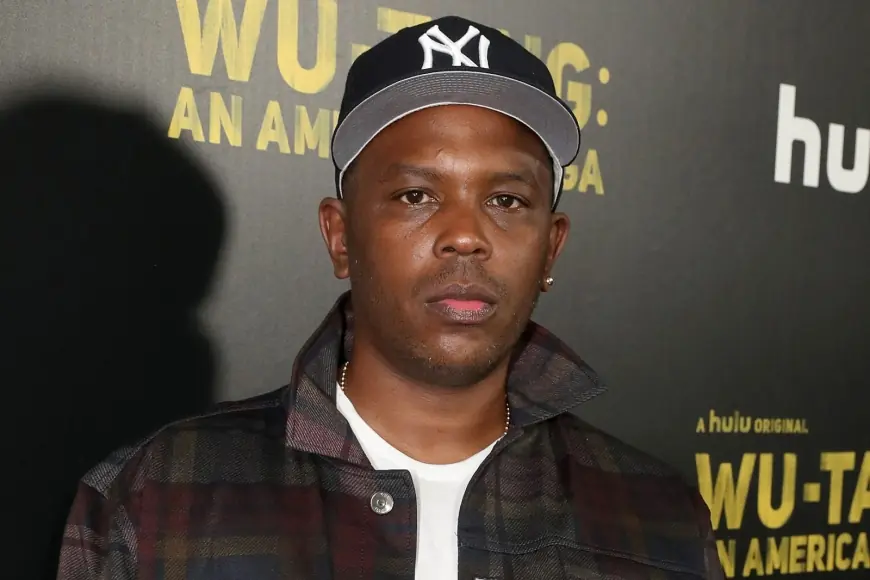
Oliver “Power” Grant, a behind-the-scenes architect of the wu tang clan who helped finance and executive-produce the group’s early work and built its commercial arm, has died at 52. The news matters now because his financial stewardship and brand development helped convert a neighborhood crew into a global business and cultural force.
Wu Tang Clan statement and member tributes
His death was first confirmed by the hip-hop music site Okayplayer and was announced on the Wu-Tang Clan’s official social channels with the message, "Rest in Power, Power. " A cause of death has not been disclosed.
Fellow members posted immediate tributes. Method Man wrote, "Paradise my Brother safe Travels!!" and added, "Bruh I am not ok. " GZA wrote that "We couldn’t have done it without him. Wu wouldn’t have come to fruition without Power. His passing is a profound loss to us all. My deepest condolences to the fam. " Raekwon posted, "POWER we been everywhere …. now you everywhere ! The most high is merciful love you. " Ghostface Killah shared broken-heart emojis alongside a Power logo with a halo.
Oliver 'Power' Grant’s early role and financing of Protect Ya Neck
Born in 1973 in Jamaica and raised in the Park Hill projects of Staten Island, Grant earned the nickname "Power" during a chess game with future members of the group. While not a performing member, he raised financing for the collective’s earliest recordings; in 1992 he helped gather the funds to create the debut single "Protect Ya Neck" and in 1993 he served as executive producer on the debut LP Enter the Wu-Tang (36 Chambers).
Grant described his role in the group as primarily financial, saying he provided much of the early money while partners such as Ghostface Killah and RZA supplied musical talent. He framed their progress as trial and error learned from hard experience, an account he gave in a 2011 interview.
Wu Wear, Macy’s and the business expansion
Grant later founded the Wu Wear clothing label, which launched in 1995 and was renamed Wu-Tang Brand in 2008. Under his stewardship the label cut a deal with Macy’s and opened four retail stores across the country. At its peak, Wu Wear grossed $25 million in annual sales.
Grant characterized the Wu logo as "subliminal, " likening its consumer recognition to established luxury emblems and describing the brand as an international communicator that people identified with and sought out.
Portrayal in Wu-Tang: An American Saga and wider legacy
Grant’s role in the clan’s story was dramatized in the 2019–2023 Hulu series Wu-Tang: An American Saga, where he was portrayed by Marcus Callender. Callender said their first conversation lasted three hours and that Grant shared stories rather than directing the performance.
Beyond music and fashion, Grant was described in coverage as a producer, actor and fashion mogul who oversaw what has been called the group's vast business empire. The news of his death comes as the collective has been named a nominee for the Rock & Roll Hall of Fame class of 2026, a milestone that highlights the commercial and cultural trajectory Grant helped shape.
Because he combined fundraising, executive production and brand-building, Grant’s decisions directly enabled the group’s ability to retain control over creative and commercial outcomes, which in turn financed retail deals and expanded the Wu identity beyond Staten Island. What makes this notable is that his work bridged studio and storefront—turning the crest and name into tangible revenue and cultural currency.
Several elements of Grant’s life and influence remain unclear in the provided context, including the specific cause of death.