

















Why the State of the Union Put a Combat Wound Center Stage: Trump’s Presentation of the Congressional Medal Of Honor

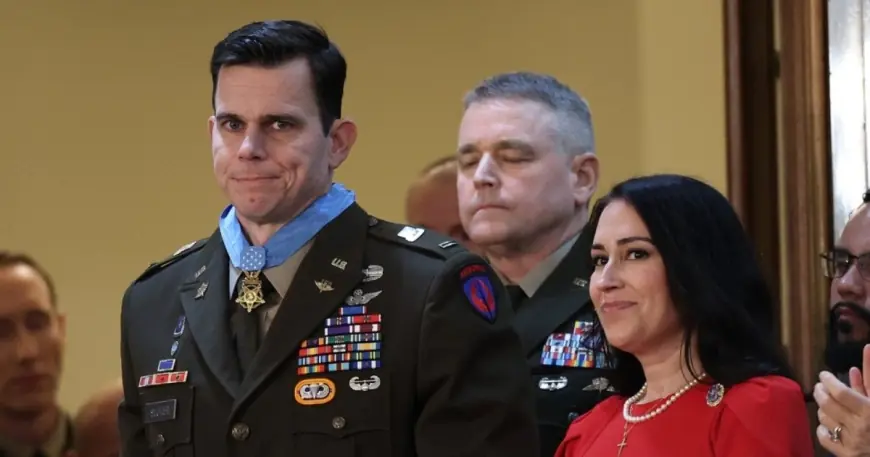
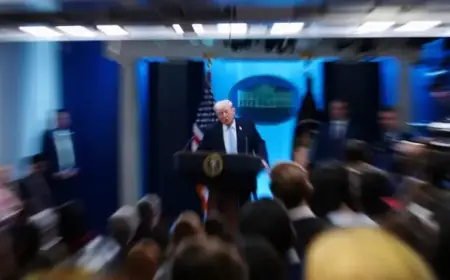
Presented in the national spotlight, the congressional medal of honor was given to Army Chief Warrant Officer Eric Slover during President Trump’s State of the Union address. Here's the part that matters: the decoration was tied directly to an operation that injured Slover — the raid to capture former Venezuelan President Nicolás Maduro — and the setting of the address magnifies the symbolic weight of that recognition.
Contextual rewind: why the Congressional Medal Of Honor arrived at this moment
The choice to present such a high-profile award inside a State of the Union address frames the event less as a routine decoration and more as a public statement. The ceremony paired a formal national platform with a single, named recipient — Army Chief Warrant Officer Eric Slover — whose injury in the raid to capture former Venezuelan President Nicolás Maduro is the explicitly cited reason for the award.
Event details and the facts that were stated
President Trump recognized Army Chief Warrant Officer Eric Slover with the Congressional Medal Of Honor during his State of the Union address. The record notes that Slover was injured in the raid to capture former Venezuelan President Nicolás Maduro. No additional specifics about the injury, the raid’s sequencing, or other participants are included in the provided account.
Where this sits on the timeline
- Feb. 25, 2026 — the date attached to the report of the recognition during the State of the Union.
That single date anchors the presentation and the public announcement to a specific moment in the current political calendar.
Immediate implications and who feels the effect first
At the most direct level, the award focuses attention on Eric Slover and the injury he sustained in the operation to capture former Venezuelan President Nicolás Maduro. The broader public stage of a State of the Union address makes the recognition visible to a national audience, which changes the optics and reception of the decoration even though further details about the operation and the injury are unclear in the provided context.
What’s easy to miss is that placing this recognition inside an address traditionally used to outline policy links military valor to the administration’s public narrative in a way that will be noticed, even when specifics are limited.
Next signals to watch for in available updates
Because the core facts in the provided account are concise, future clarifications would most usefully fill gaps about the nature of Slover’s injury and any operational context for the raid to capture former Venezuelan President Nicolás Maduro. If additional details appear, they will clarify why this particular moment and recipient were chosen for presentation during the State of the Union.
The real question now is how further information about the incident or the citation text will reshape public understanding of the award and the operation tied to it.