






















Jack Hughes Teeth and a Bloody Finish: How a Lost Smile Helped Lift the U.S. to Olympic Hockey Gold

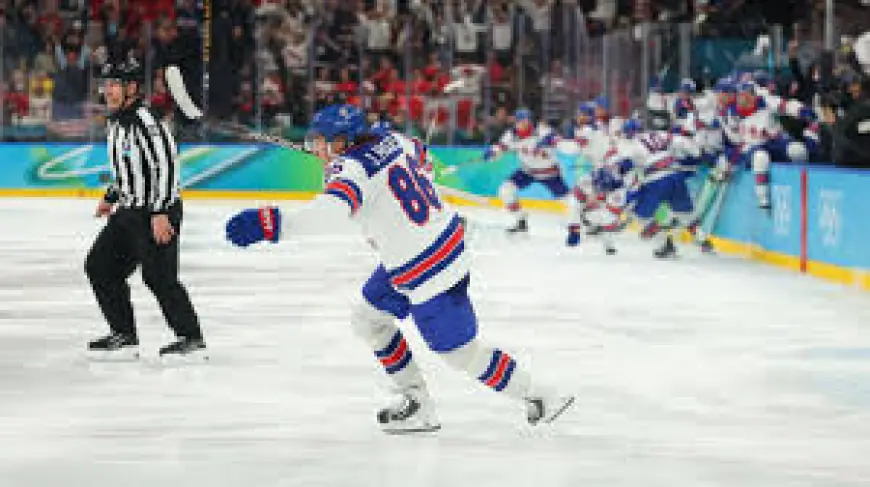
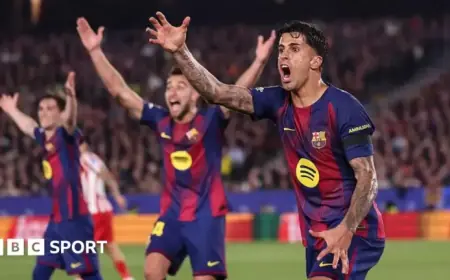
The immediate human impact was obvious: jack hughes teeth became an image of grit that teammates and fans felt first. That visible injury — a bloody mouth and front teeth gone after a high stick — reshaped the finish of the Olympic men’s hockey final, changing how the U. S. celebrated, how teammates responded, and how the headlines stitched together a two-week Games that just concluded. Here’s the part that matters: that injury didn’t stop the decisive play and it altered the emotional lift for teammates and the crowd.
Jack Hughes Teeth: who felt the impact and how it rippled through the team
Jack Hughes left the ice with a bloody mouth and missing front teeth after taking a stick to the face earlier in the game. The immediate effects were physical — visible loss of teeth and blood — and psychological: teammates rallied, and the moment became a focal point during the USA’s gold-medal celebration. The flexible value-add here: players on the roster, family members of honored teammates, and national fans experienced the moment most directly, while medical staff and team officials handled the injury response.
How the gold was decided and the injury timeline (event details)
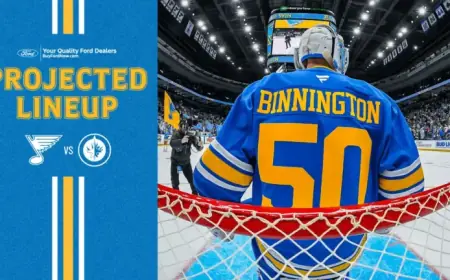
The United States beat Canada, 2-1 in overtime, to win the men's Olympic hockey final at the Milan Cortina Games. In the provided context, one description places the winning shot less than three minutes into 3-on-3 overtime; another places it at a little more than 1 1/2 minutes of extra time. The goal was scored past Canadian goalie Jordan Binnington. The stick that injured Hughes came from Sam Bennett during the third period, leaving Hughes "spittin' chiclets" on the ice and noticing teeth on the surface afterward. Hughes later had a bloody mouth as he finished the game; he had also had a tooth knocked out in an NHL game a few years earlier.
What's easy to miss is the overlap between heroic play and immediate medical concern: the goal that clinched gold arrived while the scorer was visibly injured, making the moment both athletic and traumatic at once.
Player highlights, reactions and deeper roster notes
- Jack Hughes is described as a 24-year-old forward for the New Jersey Devils; his older brother Quinn, 26, is a defenseman for the U. S. team.
- Connor Hellebuyck was widely credited as the game's star: a three-time Vezina Trophy winner who stopped 41 of 42 shots, including a key stick save on Devon Toews at the doorstep.
- Teammates honored a fallen compatriot by skating with his jersey and bringing his children out for the team photo; that player, Johnny Gaudreau, and his brother lost their lives in a tragedy that removed him from the roster.
- Quinn Hughes offered public praise for his brother’s passion and competitiveness, framing Jack as a gamer who made the play happen.
- The provided context ends with an incomplete line about teammates’ views of Hughes’ condition: "Other teammates figured that Jack Hughes will be just fine wit" — unclear in the provided context.
Wider sports headlines and the Olympic wrap
Beyond the ice, the provided context lists several distinct sports items tied to the same timeframe: a 25-year-old former Purdue standout, Rondale Moore, was found dead with a gunshot wound suspected to be self-inflicted; Jacob Bridgeman secured his first PGA Tour win at the Genesis Invitational by holding off Rory McIlroy by one shot; Curt Cignetti signed a contract extension at Indiana paying $13 million per season through 2033, a level matched only by two other college coaches named in the context; the Lakers unveiled a bronze statue of Pat Riley outside their arena placed between statues of Magic Johnson and Kareem Abdul-Jabbar, noting Riley’s four championships with the "Showtime" Lakers; and Tyler Reddick, after a winless 2025, opened 2026 with two straight NASCAR Cup Series victories, becoming the first driver since 2009 to win the season's first two races.
Two weeks and 116 medal events later, the 2026 Winter Olympics concluded. The context also notes that Norway dominated the medal table to extend their lead as the all-time winningest — unclear in the provided context.
The quoted context referenced generational influences on this U. S. team, tracing lines back to earlier Olympic heartbreaks and moments: the 2010 loss in Vancouver tied to a Sidney Crosby overtime goal and the 2014 shootout performance that included T. J. Oshie. Those touchstones were invoked as part of the celebratory narrative after the U. S. victory.
Interactive prompt for readers: If you’re wondering why this keeps coming up, it’s because the image of a bloody, toothless scorer is both a visceral human detail and a defining symbol of the team’s resilience.
Final note: the gold-clinching game took place in Milan, Italy; a caption in the provided material lists the date as Feb. 22, 2026. Some timeline specifics and a couple of truncated items in the provided context remain unclear in the provided context.
What the real test will be is how Hughes recovers physically and how the team carries the emotional lift into future competitions.