





















Punch the Monkey Trend: Viral “Baby Monkey Punch” Videos Spark Online Debate

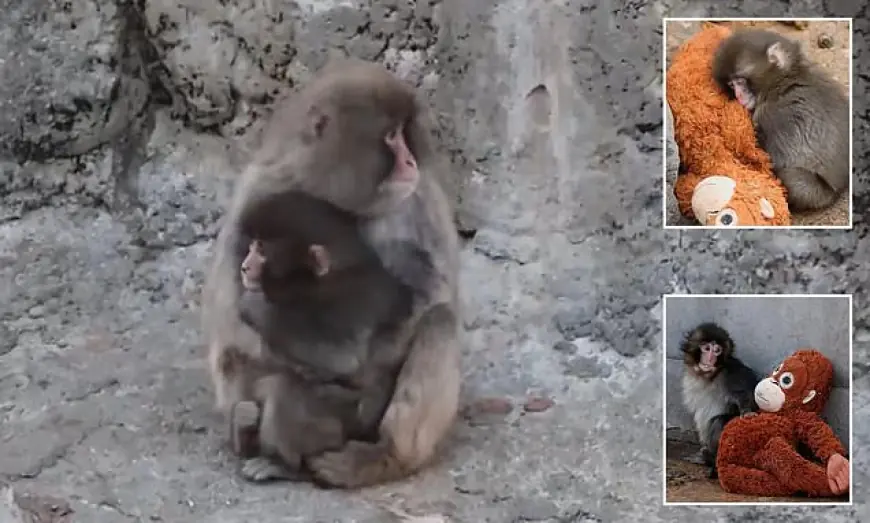
Searches for punch the monkey, punch monkey, and baby monkey punch surged this week as a series of short-form videos circulated widely across social media platforms. The clips, often labeled with variations of “punch monkeys,” show brief, chaotic interactions involving monkeys — in some cases appearing to shove, swat, or “punch” one another or interact roughly with people.
The trend has quickly divided viewers, with some treating the clips as slapstick humor while others raise concerns about animal welfare and context.
What Is the “Punch the Monkey” Trend?
The phrase punch the monkey began trending after several viral videos featured monkeys — often macaques — engaging in sudden physical gestures that resemble punches. In some clips, a smaller or baby monkey punch moment is highlighted, usually slowed down or looped for comedic effect.
Most of the footage appears to originate in regions where monkeys live close to urban environments and frequently interact with humans. Social media captions often exaggerate the action, framing it as “punch monkeys fighting back” or “monkey throws first punch.”
However, wildlife experts note that these gestures are typically natural defensive or social behaviors rather than intentional “punching” in the human sense.
Why “Baby Monkey Punch” Clips Go Viral
The popularity of baby monkey punch searches reflects the internet’s long-standing fascination with animals behaving in human-like ways. Viral elements often include:
-
Sudden, unexpected movement
-
Anthropomorphic captions
-
Dramatic music overlays
-
Slow-motion replays
These features can turn a split-second interaction into a meme that spreads rapidly across platforms.
In many cases, the term punch monkey is used humorously rather than literally. Still, the framing can influence how viewers interpret what they see.
Animal Behavior vs. Internet Narratives
Wildlife specialists explain that monkeys frequently use quick arm movements to establish social hierarchy, protect food, or respond to perceived threats. What viewers label as “punch monkeys” behavior may actually be:
-
Play fighting among juveniles
-
Defensive swatting
-
Social dominance displays
-
Resource guarding
The concern arises when viral videos encourage risky human behavior, such as provoking animals to elicit a reaction. Experts warn that approaching wild monkeys for content can lead to injuries and stress for both animals and people.
Ethical Concerns Around “Punch Monkeys” Content
As punch monkeys continues trending, animal welfare advocates are urging viewers to consider the context behind viral clips. Key issues include:
-
Whether animals are being provoked
-
Potential stress or harm to baby monkeys
-
Misleading captions encouraging unsafe interaction
-
The risk of normalizing harassment of wildlife
Some platforms have community guidelines discouraging content that depicts or promotes harm to animals. While many “punch monkey” clips show minor scuffles typical in primate groups, the framing can encourage misinterpretation.
The Role of Social Media Algorithms
The rapid rise of punch monkey and baby monkey punch searches highlights how algorithms amplify high-engagement content. Short, surprising clips tend to generate strong reactions — including laughter, shock, or debate — which drives sharing.
Once a few posts gain traction, related search terms snowball. Variations like “punch the monkey,” “monkey fight,” and “baby monkey punch viral” begin trending simultaneously, further boosting visibility.
This cycle often continues until:
-
Platforms moderate or remove controversial clips
-
Interest shifts to the next viral animal moment
-
News coverage reframes the narrative
What Viewers Should Keep in Mind
As the punch the monkey trend circulates, experts recommend a cautious approach:
-
Avoid sharing content that may depict animal distress.
-
Do not attempt to recreate viral wildlife interactions.
-
Recognize that animal behavior is often misinterpreted online.
While viral videos can be entertaining, they can also oversimplify complex natural behaviors. The spike in searches for punch monkey and punch monkeys underscores how quickly animal clips can capture public attention — and how important it is to separate meme culture from responsible wildlife awareness.
For now, the trend remains a fast-moving internet moment, but the broader conversation about ethical content and animal treatment continues.