











Cavaliers Vs Thunder: Merrill’s fight kept Cleveland close — who takes the hit from a gut-check loss?

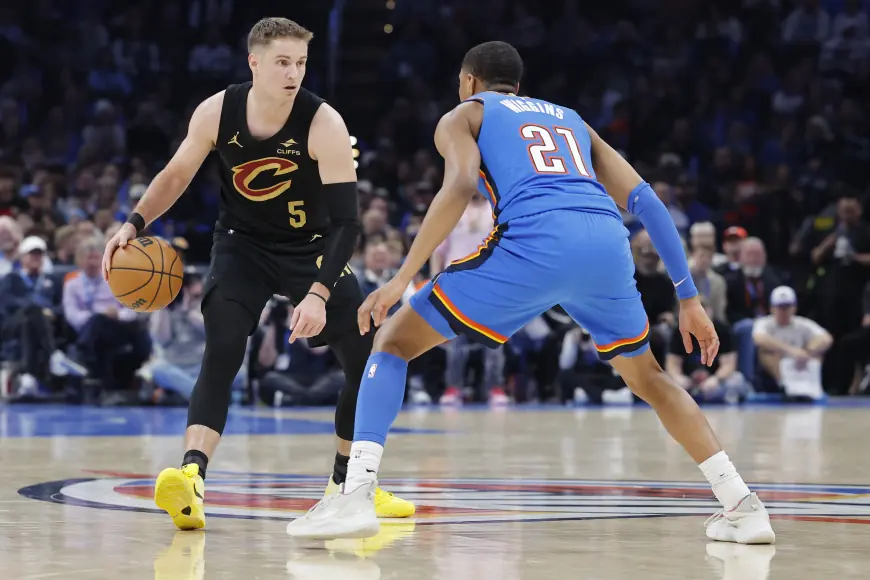
Here’s why this matters now: the Cavs’ rotation felt the immediate impact of Oklahoma City’s defensive pressure, and individual performances — good and bad — now frame short-term lineup decisions. The game labeled cavaliers vs thunder left Sam Merrill as the late catalyst, but the overall exposure on defense and limited paint production will be the first problems the team has to address.
Cavaliers Vs Thunder — who felt it first and how
Merrill kept the Cavs alive but it wasn’t enough: his late push extended the game’s competitiveness, yet Cleveland ultimately lost a gut-check game to the shorthanded Oklahoma City Thunder. All grades in the postgame breakdown were measured against the outlet’s usual expectations for each player, and several name-by-name outcomes suggest roster-level consequences more than one-off flukes.
Game detail snapshot: player lines and immediate reads
- Sam Merrill: (stat line not separately listed in the provided context beyond the summary) — Merrill kept the Cavs alive but it wasn’t enough.
- Mitchell: 20 points, 5 assists, 7 rebounds, 2 steals, 3 turnovers. This has historically been a tough matchup for Mitchell; he was relatively efficient compared to previous efforts versus OKC, but the Thunder remain the league’s top hound on him. He had to fight for everything and went 0-6 from downtown.
- Harden: 20 points, 9 assists, 5 rebounds, 1 steal, 5 turnovers. Harden’s 6'5" frame helps him handle OKC’s ball pressure better than Mitchell, but the matchup remained difficult. The Cavs struggled to get the ball into the paint because of OKC’s strong point-of-attack defense and willingness to drop on pick-and-rolls. Five turnovers cost Harden half a grade in the piece’s evaluation.
- Allen: 11 points, 13 rebounds, 2 assists, 1 steal, 3 turnovers. Allen was scoreless in the first quarter while the Thunder frontcourt dictated terms; he eventually found his groove and played an otherwise strong game. Cleveland tied OKC on the glass today, and Allen led with a game-high 6 offensive rebounds — though a missed free throw (an airball) prompted a half-grade deduction.
- Mobley: 15 points, 2 rebounds, 1 assist, 1 steal (25 minutes). This was only his second game since January 24th. He was on a minutes restriction and matched up against what the piece calls the best defensive frontcourt in the NBA. Still, only 2 rebounds is a shortfall; Mobley struggled with OKC’s physicality, was moved off his spots, and resorted to three-point attempts in the fourth quarter. The Cavs need him to be more aggressive — getting to the paint or forcing his way to the free-throw line.
- Tyson: going through an adjustment period; his role is smaller than before and his impact has felt more scattered.
How Oklahoma City’s defense reshaped Cleveland’s attack
The Thunder’s point-of-attack defense and their willingness to drop on pick-and-rolls repeatedly prevented the Cavs from getting consistent paint touches. That tactical pressure forced perimeter shots and turnovers — a pattern that pushed Harden’s turnovers up and limited Mitchell’s efficiency, despite Mitchell producing a workable stat line. The Cavs’ tied rebounding totals with OKC mask the underlying strain Cleveland felt trying to generate high-percentage looks.
Small details that matter for short-term decisions
- Mobley’s minutes restriction (this was only his second game since January 24th) changes how the Cavs manage frontcourt rotations over the coming games.
- Allen’s 6 offensive rebounds are a tangible plus, but the missed free throw (airball) and early scoreless quarter temper the upside.
- Harden’s size (6'5") helps against pressure, yet five turnovers remain a clear negative that affected his grade.
Here’s the part that matters: the breakdown treats each performance against a fixed set of expectations, and several players fell short of those marks despite individual bright spots. A separate item in the provided materials titled "429 Too Many Requests" had no body text in the provided context, leaving that entry unclear in the provided context.
Bulleted takeaways
- Merrill’s late work kept the game competitive, but it didn’t change the outcome.
- Cleveland’s inability to reliably get the ball into the paint was decisive; OKC’s defensive scheme forced perimeter reliance and turnovers.
- Mobley’s limited minutes (second game since January 24th) mean the Cavs’ frontcourt usage will remain a subplot for upcoming matchups.
- Allen’s offensive-rebounding and Harden’s handling under pressure are positives offset by turnovers and a missed free throw that affected grading.
It’s easy to overlook, but the piece’s grading rubric is based on its usual expectations for each player — that framing explains why certain numbers (like five turnovers or a single airball) result in steeper penalties in the writer’s view. The real question now is whether Cleveland adjusts rotations or game plans to reduce those pressure-induced turnovers and create more paint opportunities.