


















Tottenham Vs Arsenal: Derby thrashing exposes Spurs' tactical flaws and deepening relegation alarm

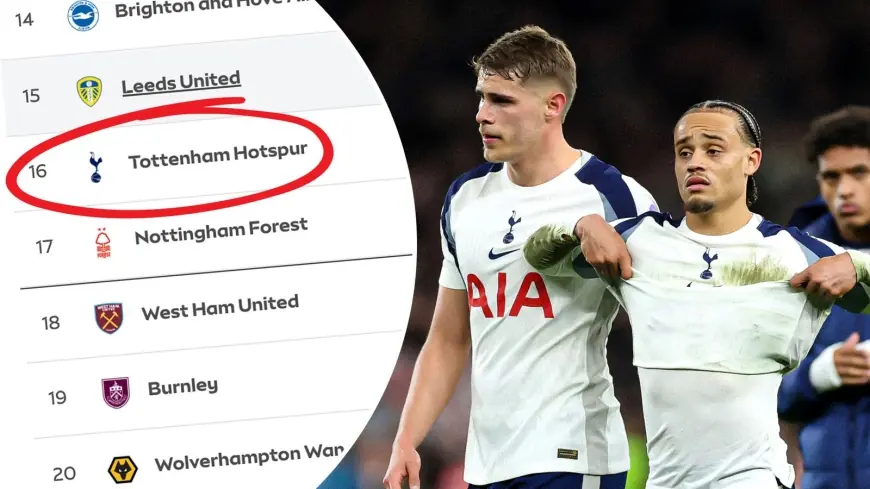
The north London derby finished 4-1 and in the immediate aftermath commentators noted the scale of Arsenal's superiority and the ways Tottenham's setup was exposed. The Tottenham Vs Arsenal result matters because it combined a performance that felt like a statement from Arsenal with fresh evidence that Spurs' new 3-5-2, injuries and form slump have real consequences for their Premier League survival hopes.
Tottenham Vs Arsenal: how Arsenal attacked from every angle
A column headlined 'They were attacking from every angle in the end' argued that Arsenal's superior quality was decisive in the 4-1 win. Arsenal produced moments of quality and skill when it mattered and gave the impression of being back to the levels seen earlier in the season. Much of their attacking edge came down the right-hand side, where Bukayo Saka and Jurrien Timber were dominant; their understanding created repeated problems that Spurs reacted to rather than pre-empted.
Why Spurs' 3-5-2 and personnel choices failed
Spurs' 3-5-2 shape under new boss Igor Tudor did not simply sit in, and that openness left spaces Arsenal could exploit. The system forced Xavi Simons, nominally a second striker, into defensive recovery runs back to the left-back area at times. Pape Matar Sarr was also drawn wide from midfield and Micky van de Ven had to provide cover from centre-half. Djed Spence faced repeated doubles from Saka and Timber, and Sarr was left one-on-one with Saka in the left-back position and could not stop the cross that led to Arsenal's first goal. That mixture of players unfamiliar with defending in those areas and ambiguity over responsibilities compounded Spurs' problems.
Relegation alarm: form, injuries and the fixture squeeze
Tottenham sit 16th and are just four points above the relegation zone after the heavy defeat. With 11 games to go, Spurs are at a crisis point: they have not won any of their last nine top-flight matches and their recent record is the worst in the division over the past dozen matches. During that spell the only positives were a win at Crystal Palace and a comeback draw against Manchester City, leaving Tottenham with seven points across the period while Nottingham Forest and West Ham have each taken 12 points, closing the gap to Spurs by five points.
The squad picture compounds the problem. Tottenham are missing more players than any other Premier League side, with 11 players unavailable. Captain Cristian Romero was suspended for the derby, while the long-term absences of Dejan Kulusevski and James Maddison have dented attacking output; Mohammed Kudus and Wilson Odobert are now missing too. The squad is seriously stretched and must balance a Champions League knockout bid with a mounting relegation fight. Last season's approach under the previous manager, who focused fully on Europe and allowed league form to slide, is not an option now: Igor Tudor has no such luxury.
Mentality is also flagged as a central concern. Tudor said there were "too many bad habits in the past" after the loss, a reflection of an internal mindset that has been criticised by recent managers at the club.
Arsenal's narrative and remaining anxieties
Despite the emphatic scoreline, some nuances remain. Arsenal outplayed Tottenham for long periods, creating 20 chances to Spurs' six, and could easily have won by more. Yet the Gunners were level at half-time, a pattern that is hard to ignore: for the third league game in a row, and the fourth in the past six, they conceded within 10 minutes of scoring. Declan Rice showed visible reactions during the game, moving from a gesture encouraging teammates to an apology after giving the ball away that led to Spurs' equaliser; commentary noted that the image of Rice shaking his head could become a defining one even if he remains a candidate for player of the season.
Atmosphere, aftermath and small storylines
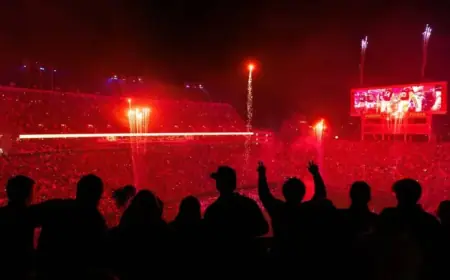
Pre-match messaging was a talking point: Spurs' on-pitch announcer Paul Coyte urged the crowd to believe something remarkable could turn "a small flame" into "a roaring fire", helping generate a raucous early atmosphere. Observers also noted that none of West Ham, Nottingham Forest or Leeds won, a minor consolation for Tudor. Home fans poured out after Viktor Gyökeres had made it 4-1; his name also appears in coverage as Viktor Gyokeres in some accounts. Other sidebar items around the fixture included debate about derby technology delays and a note that another player, Eze, had been described as wanting to prove something as he troubled Tottenham again. One cultural aside pointed out that the seats at Spurs' new stadium are so highly regarded that when River Plate refurbished El Monumental during lockdown they imported exactly the same specification from British suppliers.
What to watch next
Tottenham's immediate priorities are clear from the match and the surrounding context: arrest the run without a league win, manage a bloated injury list with 11 players unavailable, and address the mentality and tactical confusion that allowed Arsenal to exploit the right flank so effectively. For Arsenal, the derby was a statement of quality, but the recurring pattern of conceding soon after scoring is an unresolved thread. Details may evolve, and these developments should be monitored as both clubs move into the run-in.