





















Olympic Closing Ceremony in Verona shifts focus to Paralympics and a French Alps handoff as Team USA leaves with 33 medals

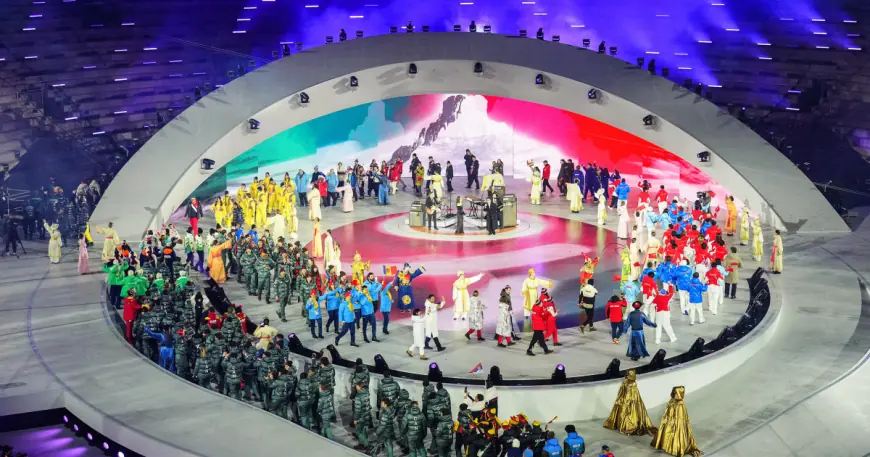
The Olympic Closing Ceremony in Verona signaled an immediate pivot: the city must convert its ancient Roman arena for the Paralympics on March 6 while attention already turns to the French Alps handoff for 2030. That transition matters because organizers have committed 20 million euros to accessibility upgrades, national narratives were solidified on the final night, and Team USA left the Games with 33 medals—details that will shape how hosts and teams prepare next.
Olympic Closing Ceremony: what changes now and who is first affected
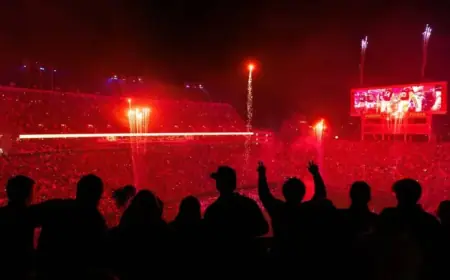
Eyes move quickly from closing pageantry to operational realities. The Olympic flag was handed off from Milan Cortina to the French Alps, marking the end of the 2026 Winter Olympics and the beginning of planning attention on 2030. The same arena that staged the closing will transform on March 6 for the opening ceremony of the Milan Cortina 2026 Paralympic Winter Games, putting venue conversion, accessibility and logistics at the top of the to-do list for local organizers and delegates.
Organizers said they invested 20 million euros to "enhance accessibility throughout Verona, ensuring an inclusive experience for all. " The Paralympic theme is "Life in Motion, " described as "a tribute to life as change and transformation, inspired by the language of art and its unique ability to interpret the ever-changing contemporary reality, " and framed as "an approach that redefines the concept of disability through a new harmony between people and environment. "
Edgar Grospiron, president of the organizing committee for the 2030 French Alps Winter Olympics, acknowledged tight resources and time, saying, "We know we have little time. There’s little time, little money because of financial constraints, but we know we can do it, " and adding that his team will "follow the recommendations and the choices that will be made by the IOC. " The bigger signal here is that future hosts are already naming constraints publicly while pledging to meet international expectations.
Event details embedded: Verona’s arena, the closing theme and the final pageants
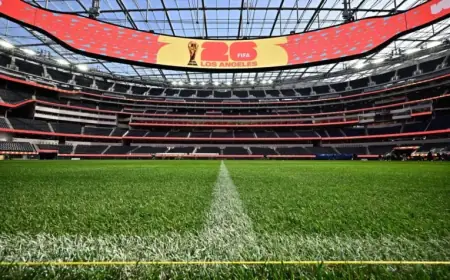
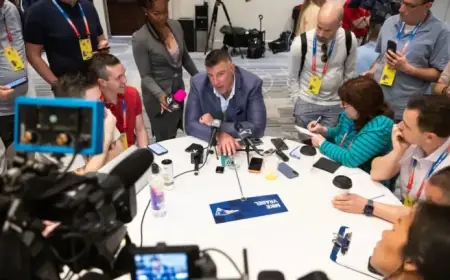
The Winter Games closed in Verona’s ancient Roman arena under the theme "Beauty in Action. " The city now has a narrow window to convert that same space for the Paralympic opening on March 6. Broad ceremonial notes landed too: Mike Tirico framed the end of these Games by looking ahead to future editions and later reflected on why the Olympics can pull people together; he also referenced the 2028 Los Angeles Games, which are set to be the biggest Summer Olympics ever.
Team delegations kept runway-style tradition: Team USA walked into the closing ceremony in Ralph Lauren attire inspired by vintage ski racing kits, including a sporty, patriotic puffer jacket—an image that underlined the ceremonial wrap rather than competitive stakes.
Performance highlights and the medal picture
Team USA finished the Milan Cortina Olympics with 33 medals. On an individual level, Johannes Høsflot Klæbo emerged as a standout: he became the most decorated gold medalist in a single Winter Olympics with six wins at these Games. Klæbo served as Norway’s flag bearer in the closing ceremony and, after his win in yesterday’s 50-kilometer classic, said he had been iffy about competing because of a sore throat but chose to compete and "give it his all. " He described the achievement as a dream and won every race he started in these Games; his signature uphill sprint repeatedly put him past rivals.
Morning Rundown and final-day context
The broader news framing for the day included a Morning Rundown that listed a snowstorm blasting the Northeast, violence in Mexico after a drug lord’s death, and reflections on the moments that defined the Winter Olympics—items that linked the closing night to a wider set of headlines beyond sport.
- Here’s the part that matters: Verona must complete a rapid venue conversion for March 6 while delivering the promised accessibility upgrades tied to the 20 million euro investment.
- Planning for 2030 is already public and candid about limits: the French Alps organizing committee has flagged time and money constraints but pledged to follow IOC recommendations.
- Team USA’s 33 medals and Johannes Høsflot Klæbo’s six golds will shape national narratives and athlete rosters heading into the Paralympics and future cycles.
- Broadcast and editorial framing will balance weather and security headlines—like the Northeast snowstorm and violence in Mexico—with ceremonial and logistical storylines in the coming days.
It’s easy to overlook, but the simultaneous pressure to both celebrate and convert a historic venue creates a rare operational test for hosts—and it will be the first tangible measure of whether the accessibility spending and accelerated schedules meet expectations. The real question now is how quickly Verona and Milan Cortina’s teams can turn ceremony into a fully accessible Paralympic stage without disrupting final cleanups and security work.
Writer’s aside: The swift handoff from celebration to heavy logistics is a recurring strain on hosts; public pledges of money and intent matter only if they produce timely, verifiable accessibility outcomes.