























Weather Orlando: Strong Cold Front Brings Chilly Start to Week, Alerts Issued

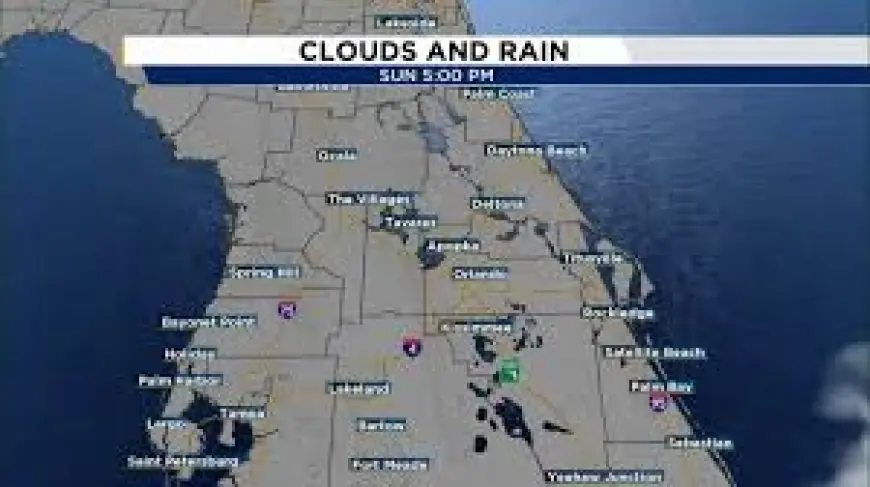
Sunday’s passage of a strong cold front dropped temperatures across Central Florida and left hit-or-miss showers into midday, affecting travel and outdoor plans in the Orlando area. The shift matters now because the front triggered multiple advisories — including Cold Weather Advisories, Freeze Watches and Fire Weather Warnings — and will produce unseasonably low wind chills through Monday.
Development details
The strong cold front arrived Sunday morning and pushed through the region by mid-afternoon, producing scattered showers that were expected to linger through about lunchtime before skies cleared later in the day. Highs on Sunday topped out in the middle to upper 70s, then fell quickly with clouds clearing Sunday night and lows tumbling into the upper 30s to lower 40s.
Forecasters added Monday to the STORM TEAM ALERT and issued Cold Weather Advisories as winds increased behind the front. Monday afternoon readings were forecast to struggle to reach the middle to upper 50s, with nighttime lows falling into the lower to middle 30s. Wind chills were projected to feel near freezing in the pre-dawn hours Monday and sink into the middle to upper 20s overnight, prompting Freeze Watches for Sumter and Marion Counties and points northwest.
Officials also issued Fire Weather Warnings for much of Central Florida because gusty winds, low humidity and drought conditions elevated fire risk across the region.
Weather Orlando: Context and escalation
The current pattern began when the cold front swung into Central Florida on Sunday, bringing a blast of colder air and gusty winds but only limited widespread rainfall. The boundary’s timing—pushing through by mid-afternoon—meant showers were concentrated to the morning and early afternoon period, followed by brighter, breezier conditions as the chill settled in.
Forecast guidance delivered on February 22, 2026 emphasized the rapid temperature drop: after Sunday’s seasonably warm readings, the region moved into a sharper cool-down with sustained gusts behind the front. What makes this notable is that the same meteorological setup that produced falling thermometers also increased fire risk, creating a rare near-term overlap of freeze and fire concerns in parts of Central Florida.
Immediate impact
Residents and morning commuters experienced spotty showers on Sunday and markedly colder conditions by the start of the workweek. Wind chills near or below freezing in predawn Monday hours raised concern for sensitive crops, outdoor workers and anyone without adequate cold protection. The Freeze Watches in Sumter and Marion Counties signal the potential for freezing conditions northwest of Orlando, while Cold Weather Advisories cover areas expecting sustained subfreezing wind chills.
Meanwhile, Fire Weather Warnings for much of Central Florida warned of elevated risk from gusty winds combined with low humidity and existing drought, increasing the chance that any outdoor sparks could spread rapidly. Agencies and local responders prepared for both lowered temperatures and heightened fire potential as the front passed.
Forward outlook
Cold conditions were expected to linger into Tuesday, with temperatures forecast to remain well below normal — climbing only into the upper 50s to lower 60s. A ridge of high pressure was set to rebuild midweek, with highs climbing back toward 70 by midweek and reaching the lower 80s by Thursday and Friday.
Another system was projected to approach the area by Friday, bringing a higher chance for showers beginning later that day and holding into the first half of the next weekend if the front stalls across the region. Storm team messaging stressed continued monitoring of the stalled front and the evolving rain chances through the upcoming weekend.
The phrase "weather orlando" has been central to briefings and public advisories as agencies coordinate on cold-weather protections and fire-prevention steps while tracking the next system slated for later in the week.