


















Oat Milk Ban: UK Supreme Court Rules Oatly Cannot Use "Milk" — What It Means for Plant-Based Industry

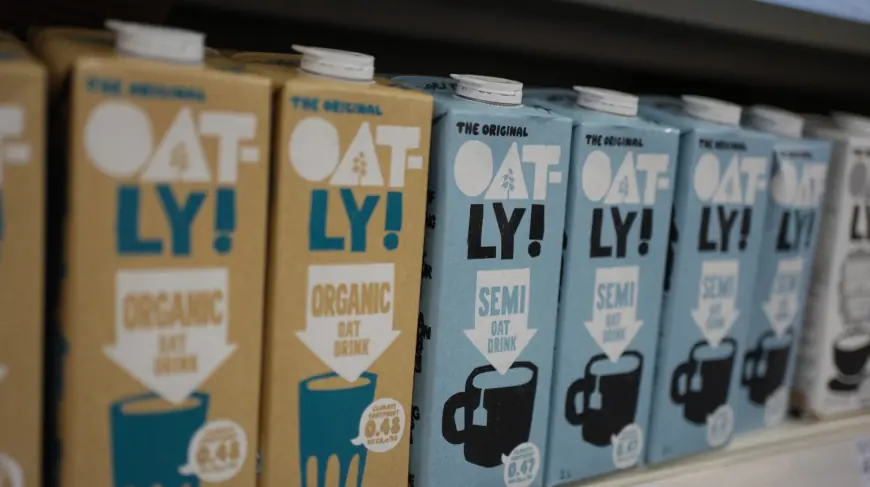
The oat milk ban that plant-based advocates feared has arrived. On February 11, 2026, the UK Supreme Court ruled that oat drink manufacturer Oatly can no longer use its trademark phrase "Post Milk Generation" because "milk" does not accurately describe their products. The unanimous decision hands a landmark victory to Big Dairy, sets a sweeping legal precedent for every plant-based brand operating in the United Kingdom, and reignites a global debate about whether dairy terminology laws protect consumers — or simply protect profits.
Oat Milk Ban: What the UK Supreme Court Actually Ruled
The UK Supreme Court unanimously ruled that Oatly cannot use its "Post Milk Generation" trademark on oat-based food and drink, ending a four-year legal battle between the Swedish oat drink maker and Dairy UK — the trade association whose members include Arla Foods UK, Lactalis McLelland, Müller, and Saputo. The case was brought under an EU Regulation retained in UK law post-Brexit, which reserves terms such as "milk," "butter," and "cheese" exclusively for animal-derived products.
The Supreme Court addressed two core legal questions:
| Legal Question | Court's Ruling |
|---|---|
| Does "Post Milk Generation" constitute illegal use of the word "milk"? | Yes — any use of a protected dairy term connected to food or drink is caught by law |
| Does the milk-free exception save Oatly's slogan? | No — the slogan describes a type of consumer, not a product characteristic |
| Can Oatly use the slogan on merchandise like T-shirts? | Yes — non-food applications are permitted |
| Will the trademark be cancelled? | Yes — UK Intellectual Property Office will cancel Classes 29, 30, and 32 |
This landmark ruling potentially sets a precedent in UK law, barring plant-based brands from using dairy-related terms like "milk" or "cheese" anywhere in their marketing.
Oatly's Response: "Uneven Playing Field" That Solely Benefits Big Dairy
Oatly did not accept the oat milk ban ruling quietly. Bryan Carroll, general manager for Oatly UK and Ireland, said the decision "creates unnecessary confusion and an uneven playing field for plant-based products." He further argued that prohibiting the trademarking of "Post Milk Generation" for use on products in the UK is a way to stifle competition and is not in the interests of the British public.
The Vegan Society backed Oatly's position, calling the ruling anti-competitive and arguing it solely benefits "Big Dairy — the people asking a question to which nobody else needed an answer." The organization noted that one-third of people in the UK drink plant-based milk regularly, and the global oat milk market is predicted to grow at nearly 14% per year over the next five years.
Why Dairy UK Pushed for the Oat Milk Ban — and Won
A Greenpeace investigation based on disclosed documents revealed that Dairy UK had been lobbying for tighter enforcement of dairy term protections since at least 2017. Committee meeting notes showed the association presented the issue of misuse of protected dairy terms to a Business Experts Group panel and was subsequently tasked by Defra with developing a briefing paper for the Food Standards Information Focus Group.
The timing is not coincidental. The ruling arrives as British dairy farms hit a record low of 7,010, while plant-based milk sales grew 24% in two years to £276 million ($376 million USD). Dairy UK CEO Dr. Judith Bryans called the oat milk ban ruling an important decision that finally provides clarity on how dairy terms can and cannot be used in branding and marketing.
The Broader Oat Milk Ban Debate: Coconut Milk, Peanut Butter, and Double Standards
The ruling raises eyebrows when one considers the long-standing exceptions allowed by the European Commission. Products like "coconut milk" and "peanut butter" have been granted a pass because they are considered "traditional" and well-understood by consumers. Yet the court's strict approach suggests that newer plant-based alternatives will face a much harder time.
The EU Parliament has voted 355 to 247 to restrict plant-based meat from using terms such as "burger" and "sausage," though trilogue negotiations collapsed in December 2025 without agreement, pushing that decision into 2026. The oat milk ban ruling in the UK is widely seen as a bellwether for how that EU debate will ultimately resolve.
What the Oat Milk Ban Means for Every Plant-Based Brand Right Now
Plant-based brand owners must now be extra careful using dairy-related terms on products. Words like "milk" are legally protected and can only be used for animal-based products — so plant-based brands should not use these words in product names, slogans, or brand messaging for alternative plant-based drinks. Legal experts warn the ruling opens the door to further trademark challenges across the entire sector — not just against Oatly, but against soy, almond, rice, and hemp drink brands that have long used dairy-adjacent language in their marketing. The judges stressed the case was not about banning plant-based drinks themselves — but about protecting legally defined food terms. For a $376 million USD and rapidly growing industry, the legal and rebranding costs that follow could be enormous.