













Mike Goldberg on Brock Lesnar: How Lesnar Transformed the UFC

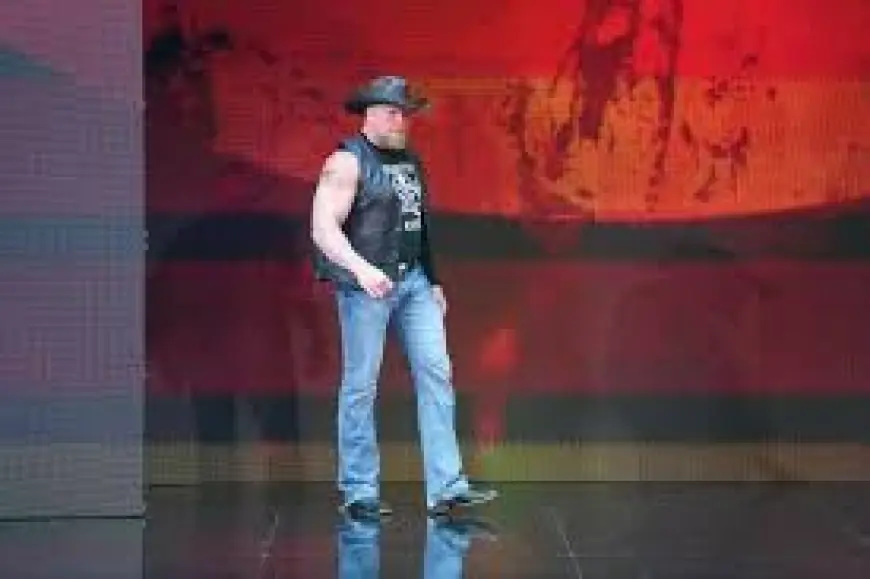
Mike Goldberg framed a clear turning point when brock lesnar joined the promotion: his signing broadened the audience and helped the organization reach new commercial heights. Goldberg emphasized that Lesnar’s crossover fame and elite wrestling background made the arrival more than a fighter signing—it was a strategic moment that changed how the promotion was perceived and sold.
Goldberg’s view on Brock Lesnar
Goldberg, who called each of Lesnar’s fights in the octagon, described Lesnar’s entry as a “big turning point” that expanded the promotion’s reach beyond its existing fans. He highlighted Lesnar’s prior celebrity from a scripted-sports organization and said that bringing that audience into the fold was a major reason the organization pursued Lesnar. Goldberg also noted Lesnar’s physical presence, calling him the largest human being in great shape he had met.
Audience and pay-per-view impact
Goldberg pointed to measurable commercial effects tied to Lesnar’s run. The former heavyweight became a reliable pay-per-view draw, with events featuring him usually generating around one million buys. That level of consumer interest was part of what Goldberg said allowed the promotion to broaden its perspective and reach fans who previously watched other kinds of wrestling entertainment.
Lesnar’s wrestling roots and UFC bouts
Lesnar’s elite amateur pedigree was central to Goldberg’s account. He recalled Lesnar’s collegiate wrestling resume and said fans quickly recognized his legitimate wrestling ability when he moved into mixed martial arts. Lesnar made his debut in 2008 and captured the heavyweight title by the end of that year. He did not receive special treatment in match-making: he faced an established heavyweight at a major event, where he lost by submission in the first round. Goldberg also remembered that several well-known scripted-sports performers attended Lesnar’s debut in the octagon in support.
Business-model observations and implications
Goldberg summarized a broader takeaway Lesnar himself has reiterated about the two businesses: both sell fights, but one rests on unscripted competition while the other is scripted entertainment. Lesnar contrasted the promotional strengths of leaders in each business, suggesting that similarities in business models make crossover appeal logical. That overlap helps explain why the signing delivered immediate audience expansion, as followers of scripted wrestling took interest in Lesnar’s competitive run.
Key takeaways
- Lesnar’s signing broadened the promotion’s audience and commercial reach.
- He became a consistent pay-per-view draw, with events usually generating about one million buys.
- Lesnar’s collegiate wrestling credentials and physical presence bolstered his legitimacy in the octagon.
Looking ahead, the observable indicator of Lesnar’s drawing power—the roughly one million pay-per-view buys tied to his events—suggests a clear market effect: if similarly high consumer interest recurs around crossover stars, the promotion’s ability to reach adjacent audiences may continue to grow. Uncertainties remain where details are not publicly confirmed, but Goldberg’s appraisal frames Lesnar’s stint as a commercially pivotal chapter in the organization’s history.