















How the Verona Arena closing ceremony will reshape the final night of the 2026 Winter Olympics for residents, protesters and Team GB

Who feels the immediate impact of tonight’s finale? Local residents, visiting fans, demonstrators and athletes will all see the effects in different ways as the verona arena stages the closing ceremony that caps 16 days of highs, lows and drama at the 2026 Winter Olympics. For viewers, for Team GB and for those protesting the Games, tonight changes how the event and its aftermath will be remembered.
Who is affected first — residents, protesters, athletes and TV audiences
Here’s the part that matters: hundreds of people marched through Verona just hours before the ceremony to press housing and environmental demands, while fans and athletes were preparing for a cultural finale in an ancient site. The protest and the ceremony share the same physical and political space, so both short-term disruption and longer-term questions about legacy and local impact are immediate.
Verona Arena: venue basics, timing notes and drive times
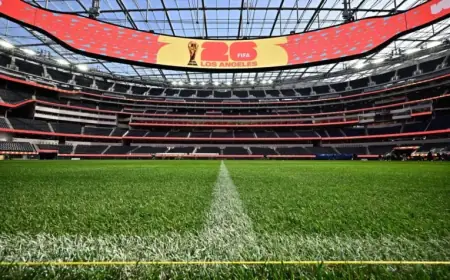
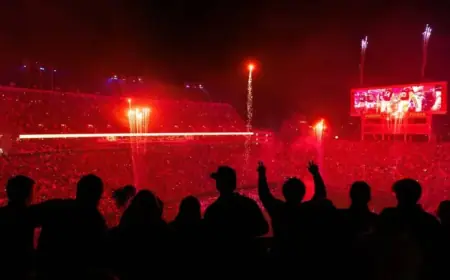
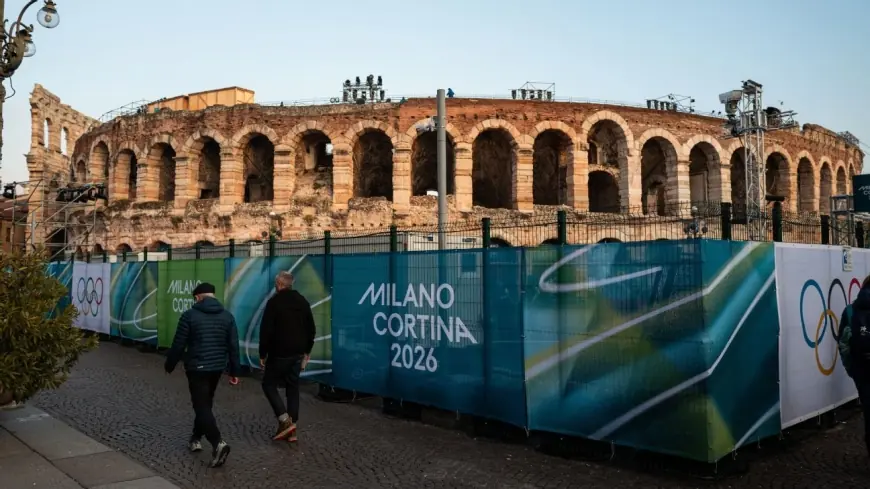
The ceremony is being held in Verona at the Verona Olympic Arena — an ancient Roman amphitheatre built in 30 AD and described as Italy’s third-largest Roman amphitheatre, originally made to host gladiator battles and now adapted for a modern closing event. The venue will also host the 2026 Winter Paralympic Games opening ceremony in March. It sits roughly a two-hour drive from Milan and about three hours from Cortina d'Ampezzo.
Timing in the available accounts is inconsistent: one briefing cites a 7. 30 p. m. GMT start with build-up from 7 p. m. for UK viewers, while another item notes the ceremony started at 8: 30 p. m. (1930 GMT) inside Verona’s ancient arena. That discrepancy is unclear in the provided context and may reflect mixed timestamps or updates.
Protests in Verona: route, slogans and grievances
Hundreds marched in a rally called “Olympics? No thanks”, organised by university groups and local associations opposing perceived environmental damage and social costs tied to the Games. Protesters walked for around two hours outside the security perimeter, from the 16th-century Porta Palio to the 19th-century Arsenal Square, briefly stopping at the point closest to the red zone and asking — unsuccessfully in the cited account — to be allowed inside.
- A banner read: “Fewer Games for the few, more homes for everyone. ”
- Activists painted the words “FIVE CIRCLES, A THOUSAND DEBTS” on the road before moving on.
- Several protesters wore keffiyeh scarves and waved Palestinian flags.
- Participants included Giannina Dal Bosco, a 76-year-old activist who framed the march as a defence of territory against speculation, and Francesca, 34, who travelled from Vicenza (about 60 km / 40 miles) and criticised new Olympic structures as disfiguring the landscape and wasting public money that could have gone to hydrogeological safety and housing plans.
Local authorities were reported to have deployed heightened security; Verona’s mayor commented that high-profile events carry the risk of people seeking visibility and trying to exploit the moment.
Team GB flagbearers, medals and a national milestone
Team GB will be led in the closing ceremony by Matt Weston and Charlotte Bankes. Weston won two golds at these Games — one in the men’s skeleton and a second in the mixed team event alongside Tabby Stoecker — and described selection as a massive honour tied to the venue’s iconic status. Bankes, competing in her fourth Olympics, helped secure Team GB’s first-ever Winter Olympic gold on snow when she won the mixed snowboard cross with Huw Nightingale; she framed flagbearing as a moment for her sport and team to reflect on their historic achievement.
- Tickets for the ceremony were priced from 950 euros up to a top level of 2, 900 euros.
What’s easy to miss is how the medal moments and the protests are being narrated together: one story is about athletic breakthroughs and national firsts, the other about local contention over cost and landscape.
Culture, closing-theme and broader Games aftermath
Organisers plan a finale that pulls together Italian music, art and sport, intending to “weave together” cultural touchstones under the theme “Beauty in Action” and to celebrate unity and bonds between athletes and nations. Observers are encouraged to reflect on two weeks of golden thrills as festivities wind down in Italy.
If you’re wondering why this keeps coming up: the venue’s dual role is notable — an ancient amphitheatre turned modern stage, and soon the site for the Paralympic opening in March — making legacy questions unavoidable.
Key takeaways:
- Closing night at the verona arena juxtaposes spectacle with protest, affecting residents and athletes alike.
- Timing details differ in available accounts; viewers should note mixed start-time information in the materials cited here.
- Team GB has achieved its most successful Winter Games performance, with Zoe Atkin’s bronze part of that milestone and Matt Weston and Charlotte Bankes named as flagbearers.
- Local objections focused on housing costs, environmental disruption and public spending; a prior, larger protest in Milan drew nearly 10, 000 people and later turned violent.
Other items from the Games captured in the same coverage: a dog-on-course incident recalled past wildlife interruptions; Alysa Liu emerged as an unlikely figure skating champion and is said not to be ready to retire after securing dual Olympic gold; Connor McDavid was acknowledged as the Games’ standout men's hockey player despite not winning gold; the U. S. women’s hockey record holder Knight and skater Bates continued to build Olympic legacies; and an overtime goal after a high stick left Hughes missing two teeth but secured gold for the U. S. over Canada.
The real question now is how tonight’s ceremony — and the protests around it — will shape local debates about hosting major events going forward.