

























NJ Transit Cancels 27 Trains for Portal Bridge Cutover Debut

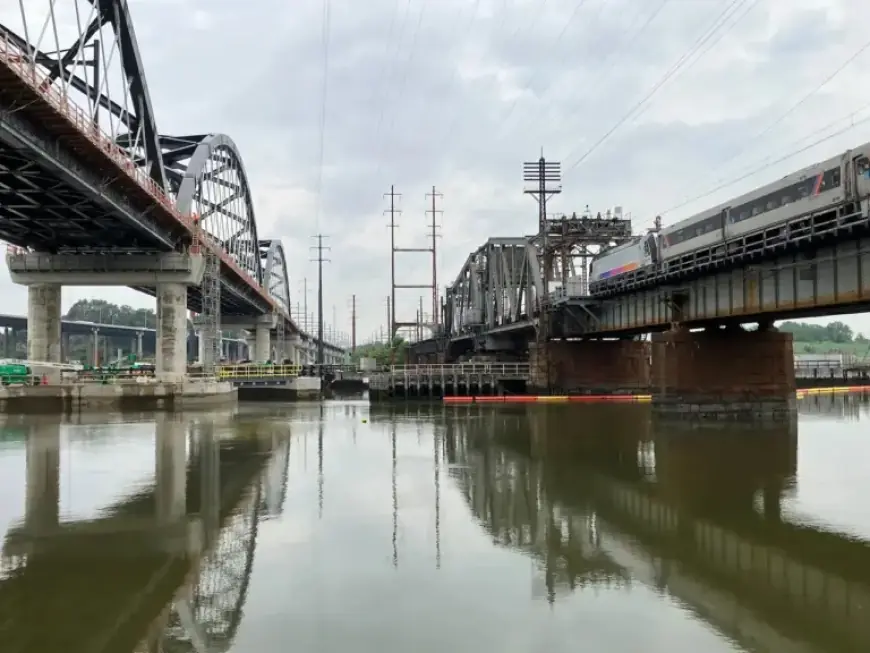
NJ Transit has announced significant disruptions to its services, cancelling 27 trains on the inaugural day of a critical rail service reduction related to the new Portal Bridge. This adjustment, which began on Sunday, aims to bring one track of the new Portal Bridge into operation. The affected schedule will remain in place for the entire month.
Trains Affected by the Cancellations
The cancellations primarily impacted the North Jersey Coast Line, which saw the highest number of cancellations at ten trains. The Northeast Corridor line, including the Princeton Shuttle, experienced nine cancellations. Additional trains were also canceled on the Morris & Essex, Montclair-Boonton, and Raritan Valley Lines.
Reasons for the Disruptions
- The cancellations stem from alterations in crew availability due to the new Portal Bridge cutover schedule.
- Regularly scheduled weekday service was reduced from 332 trains to just 178 to facilitate necessary Amtrak construction work.
- The adjustment will allow for infrastructure updates to transition rail traffic from the old Portal Bridge to the new Portal North Bridge.
According to NJ Transit CEO Kris Kolluri, the extensive changes disrupted the usual assignment selection process for locomotive engineers and conductors. Unlike typical schedule changes, which typically affect a limited number of staff, this situation requires all engineers to choose new assignments.
Collaboration with Unions
The Brotherhood of Locomotive Engineers & Trainmen union indicated it had offered to expedite the assignment selection process. Overall, the disruptions necessitate a collaborative effort between NJ Transit and the unions involved. More conductors are available than engineers during this transition.
Future Outlook
Monday will feature a modified holiday schedule for President’s Day, designed to accommodate the assignment process. However, the first significant test of the new schedule will occur on Tuesday. Both NJ Transit and PATH recommend that commuters adjust their travel to avoid peak hours and reduce congestion.
Officials are committed to addressing these challenges while maintaining transportation services during this critical period of change. Further updates are expected as the transition progresses.