























Trump and Netanyahu Unite on Iran Pressure, Diverge on Endgame Strategy

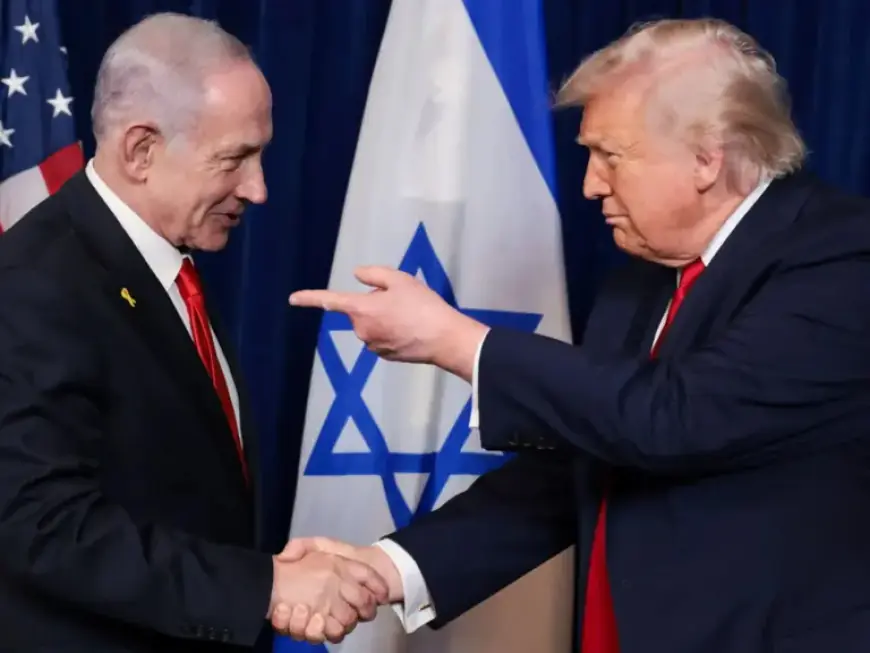
U.S. President Donald Trump and Israeli Prime Minister Benjamin Netanyahu are collaborating on a “maximum pressure” strategy against Iran. Their joint efforts primarily target Iran’s substantial oil exports, especially to China. The two leaders met recently in the White House, where they discussed escalating economic sanctions on Iran.
Details of the Economic Strategy
Trump has signed an executive order allowing for a 25 percent tariff on nations engaging in trade with Iran. This move presents a direct challenge to China, which imports more than 80 percent of Iranian crude oil. Despite this shared approach, a significant difference remains in their ultimate strategic vision.
While Trump shows interest in negotiating, suggesting, “Let’s give it a shot,” Netanyahu privately expresses skepticism. He believes any agreement is pointless, a view that some analysts interpret as a push to push the U.S. towards military confrontation with Tehran.
Diplomatic Channels and Negotiations
Despite the tough rhetoric, the Trump administration continues to explore diplomatic avenues. Notably, Oman hosted indirect discussions between the U.S. and Iran on February 6. Following these talks, a new round of negotiations is scheduled in Geneva, where U.S. officials aim to address Iran’s uranium enrichment activities.
- The U.S. proposal includes a halt to uranium enrichment for 3 to 5 years.
- It also calls for the removal of 450 kg of highly enriched uranium from Iran.
Netanyahu seeks to broaden the deal’s scope, pushing for conditions impossible for Iran to accept, such as limiting its ballistic missile program and cutting ties with regional allies. Analysts suggest that these demands aim to ensure diplomatic efforts fail, prompting military action instead.
Regional Implications and Palestinian Concerns
As international attention focuses on Iranian relations, Palestinian leaders contend that Israel is using regional tensions as a cover to advance its narrative in the occupied West Bank and Gaza Strip. Major policy changes have recently facilitated further land grabs for illegal settlements, which threaten the prospects of Palestinian statehood.
- Palestinian National Initiative leader Mustafa Barghouti warns that the Iranian threat rhetoric distracts from Israel’s annexation policies.
- Senior Israeli officials have openly called for measures to promote “voluntary migration” of Palestinians.
The Israeli government, led by figures like Finance Minister Bezalel Smotrich, aims to cement control across the region. Furthermore, the ongoing discussions about Iran’s nuclear capabilities have reignited debate regarding Israel’s undeclared nuclear arsenal, which complicates the argument of existential threats posed by Iran.
Humanitarian Impact and Regional Stability
Since October 2023, the situation escalated in Gaza, leading to catastrophic loss of life. Reports state that over 72,000 Palestinians have been killed, while many more have been displaced. In the West Bank, Israeli actions have caused significant civilian infrastructure damage.
This ongoing conflict raises serious questions about the priorities and strategies of both the Israeli government and the U.S. administration. Analysts argue that Israel’s current policies suggest a willingness to forego diplomacy in favor of outright military intervention, with the ultimate objective of reshaping the region by decisive force.