

























Kurt Cobain homicide claims resurface as officials reaffirm suicide ruling

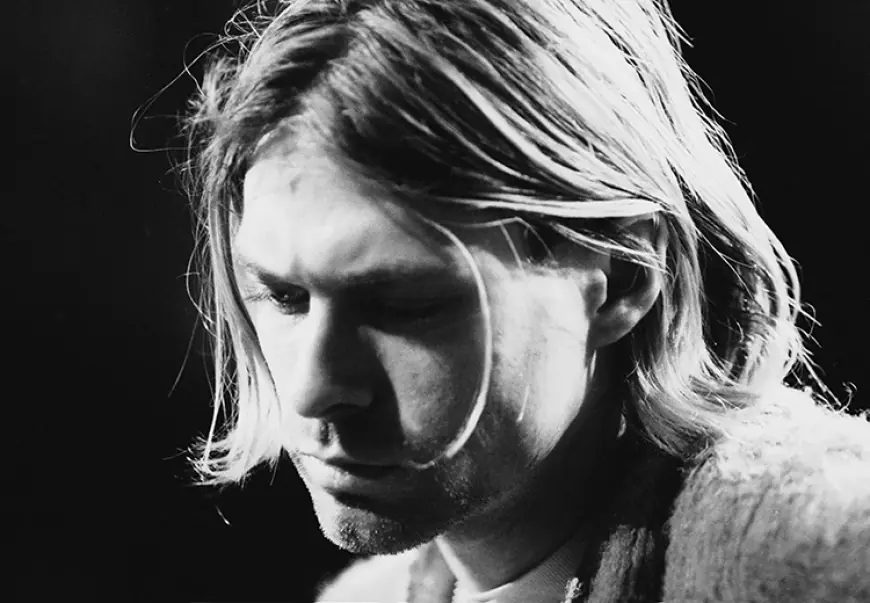
A new private forensic review released this week has reignited debate about Kurt Cobain’s 1994 death, reviving long-running claims that the Nirvana frontman was killed rather than taking his own life. Seattle-area authorities, however, have reiterated that the case remains closed and that Cobain’s death was ruled a suicide in 1994, with no public indication of a reopening as of Feb. 14, 2026 (ET).
What the new homicide claims allege
The latest wave of “Kurt Cobain homicide news” centers on a privately assembled team’s argument that Cobain could not have physically fired the shotgun after taking the amount of heroin reflected in his toxicology results. The review points to scene details and toxicology interpretations as reasons to reconsider the official conclusion.
The claims are not new in theme—Cobain’s death has been the subject of conspiracy theories for decades—but the current attention spike stems from the packaging of those arguments as a fresh “forensic” reassessment and the speed with which the story spread online.
What officials say today
Investigators and the medical examiner’s office have publicly maintained the original determination: Cobain died by suicide. In the official account, Cobain was found at his home in Seattle on April 8, 1994, and investigators determined he died around April 5, 1994.
Authorities have also emphasized a practical point that often gets lost in the noise: a name appearing in public discussion, a document excerpt, or a circulating “forensic” summary is not the same as evidence that meets the threshold for changing a legal ruling. As of today (Feb. 14, 2026 ET), there has been no official announcement of new evidence prompting a reopened investigation.
Kurt Cobain cause of death: the official finding
The official cause of death for Kurt Cobain is a self-inflicted gunshot wound to the head from a shotgun. Investigators also documented drug use at the scene and toxicology findings consistent with heroin use; public reporting over the years has cited a blood morphine level commonly described as 1.52 mg/L, along with diazepam (often associated with Valium).
The official conclusion rests on the totality of the investigation at the time: the scene, the weapon, forensic determinations, and a suicide note found nearby. Those elements collectively formed the basis for the suicide ruling that remains in place.
Why toxicology is at the center of the dispute
The sharpest point of contention in the renewed debate is how to interpret the heroin-related toxicology numbers. The private review asserts that the heroin dose was so high it would have incapacitated Cobain before he could handle the weapon, implying outside involvement.
But toxicology interpretation can be complex, especially with opioids. A commonly cited issue is the difference between measures that reflect “total” morphine (including metabolites) versus “free” morphine, and how tolerance in chronic opioid use can affect survivability. Those nuances matter because they can change what a single number implies about capability or timing—yet they are difficult to resolve conclusively decades later without a full evidentiary re-review.
Courtney Love’s role in the public narrative
Courtney Love, Cobain’s widow, remains a focal point in many online theories, often without new substantiated evidence. In the current cycle, her public presence and past denials have again been pulled into the conversation, largely because the debate is as much cultural as it is forensic: Cobain’s death sits at the intersection of celebrity, tragedy, and mistrust of institutions.
What is clear is that renewed attention tends to magnify old allegations rapidly, even when official findings have not changed.
What’s confirmed, and what isn’t
Here’s where things stand as of Feb. 14, 2026 (ET):
-
Confirmed: Cobain’s death was ruled a suicide in 1994; the official cause of death is a self-inflicted shotgun wound.
-
Confirmed: A new private review is circulating that argues for homicide based on toxicology interpretation and scene critiques.
-
Not publicly confirmed: Any new evidence accepted by authorities that would change the ruling or reopen the case.
-
Unclear at this time: Whether any additional official statements will follow beyond reiterating that the case is closed.
The practical takeaway is that the headline churn reflects a revived argument, not a changed legal determination. Unless authorities disclose newly validated evidence, the cause-of-death finding remains what it has been for more than three decades—even as public debate flares again.