

















Spike Lee returns to Atlanta for 'School Daze' 38th‑anniversary reunion screening

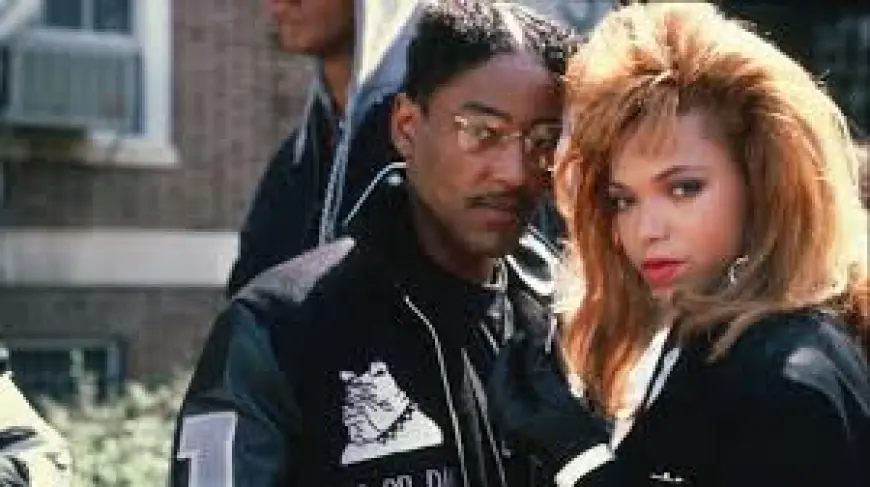
On Tuesday night in February 2026 (ET), filmmaker Spike Lee led a packed Fox Theatre audience through a celebratory, at times revelatory, evening marking the 38th anniversary of his second feature, School Daze. Lee introduced the film, shared behind‑the‑scenes memories and watched as the crowd — many wearing HBCU letters and colors — transformed the screening into a reunion.
A hometown reunion
The screening felt less like a conventional Q& A and more like a family cookout. Students, alumni and long‑time fans filled the historic theater, many arriving in fraternity and sorority regalia. Lee described these screenings as reunions, a place where frats, sororities and classmates reconnect. He encouraged the audience to be present in the moment, even inviting them to stand and dance during the film’s unforgettable musical sequence.
Why the film still matters
School Daze premiered in the late 1980s and remains unusually pointed in its interrogation of identity, colorism, Greek life and campus politics. Lee said he had hoped those conversations would feel dated by now, but noted that many of the same debates persist. For viewers who saw themselves reflected in the story, the film helped open pathways: Lee has long pointed out that some people say the film inspired them to attend college or an HBCU.
Personal roots and HBCU legacy
Lee’s ties to Atlanta run deep. Born in the city and a third‑generation graduate of Morehouse College, he framed the film as a love letter and a critique born from lived experience. His father and grandfather attended Morehouse; his mother and grandmother graduated from Spelman. Those family connections shaped the film’s care for HBCU histories and the institutions’ crucial role in Black education — institutions that existed because other doors were closed.
Cast, music and memories
The screening underscored the film’s notable ensemble and its musical identity. The cast featured performers who later became household names, and one of the standout moments remains the go‑go anthem that sends audiences to their feet. Lee delighted the crowd with production stories, including the contribution of his father to the film’s soundtrack, and he watched along from a center‑theater seat, offering spontaneous commentary.
Production challenges and Atlanta ties
While the movie draws heavily from Lee’s Morehouse years, its production faced friction on campus and moved between local colleges to complete shooting. That background only sharpened the film’s focus on campus life and the pressures facing HBCUs. For many in the audience, the screening was a reminder of why those institutions matter: as spaces of education, culture and resistance.
A living legacy
Nearly four decades after its initial release, the film still prompts conversation and action. Lee framed the legacy not simply in critical praise but in real‑world outcomes: the people who cite the film as a reason they pursued higher education or who say it changed the course of their lives. On Tuesday night, that legacy played out in the theater as a generation of viewers — and the filmmaker who made them think — celebrated what the film revealed and the communities it continues to inspire.