























Unraveling Why Friday the 13th is the Most Unlucky Date

The upcoming year of 2026 will present three instances of the infamous Friday the 13th. Specifically, these dates will occur in February, March, and November. For many around the globe, this day represents a significant superstition tied to bad luck.
Origins of the Friday the 13th Superstition
The belief in Friday the 13th as an unlucky day is thought to stem from various historical and cultural factors. One of the most prominent origins is the biblical account of the Last Supper. It is said that 13 individuals, including Jesus Christ and his twelve disciples, gathered on Maundy Thursday, the evening before his crucifixion on Good Friday.
The Knights Templar and Their Arrest
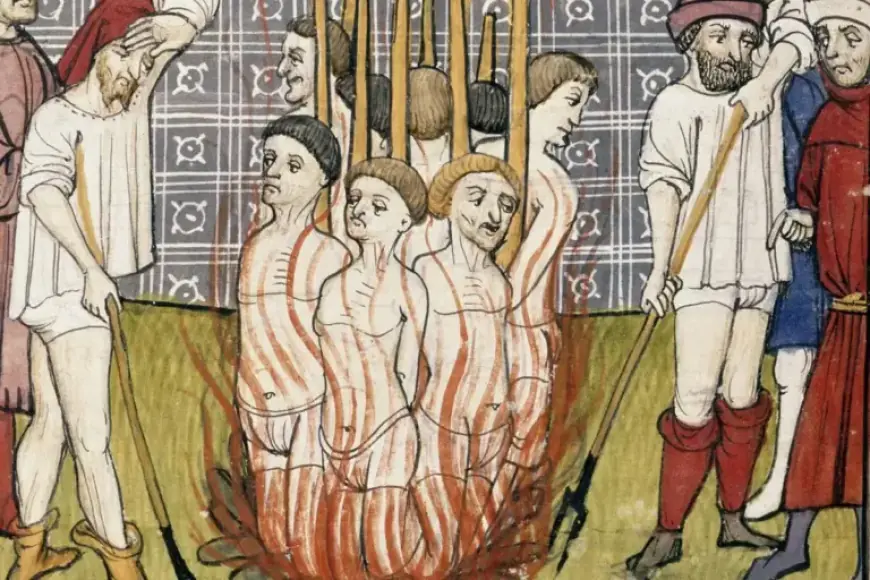
Another pivotal event that contributed to this superstition occurred on October 13, 1307. On that day, King Philip IV of France ordered the arrest of numerous Knights Templar. This action was influenced by pressure from Pope Clement V and allegations of heresy against the order.
- King Philip IV aimed to eliminate debts owed to the Templars.
- The accusations included severe misconduct, many of which were later found baseless.
After their arrest, many knights faced torture and were subsequently executed, with some burnt at the stake in Paris. The Grand Master of the Templars, Jacques de Molay, was one notable figure who met his demise in front of Notre Dame Cathedral. Legend has it that before his execution, he uttered a curse directed at those responsible for their persecution.
Cultural Interpretations of Bad Luck
The notion of bad luck associated with Friday the 13th is not universal. In Hispanic cultures and Greece, it is Tuesday the 13th that instills fear. Conversely, in Italy, the day considered unlucky is Friday the 17th.
Common Bad Luck Indicators
In addition to the superstition surrounding Friday the 13th, various actions are also believed to bring misfortune. Some of these indicators include:
- A black cat crossing your path
- Breaking a mirror
- Walking under a ladder
- Opening an umbrella indoors
- Saying the name of Shakespeare’s “Scottish play” in a theatre
In conclusion, the reputation of Friday the 13th as a day of ill fate connects deeply to historical events and cultural beliefs. Whether viewed with skepticism or genuine fear, it undeniably remains a topic of interest and discussion. For more insights into superstitions and cultural phenomena, visit Filmogaz.com.