












Ukraine’s Vladyslav Heraskevych Disqualified from Olympics for Banned Helmet

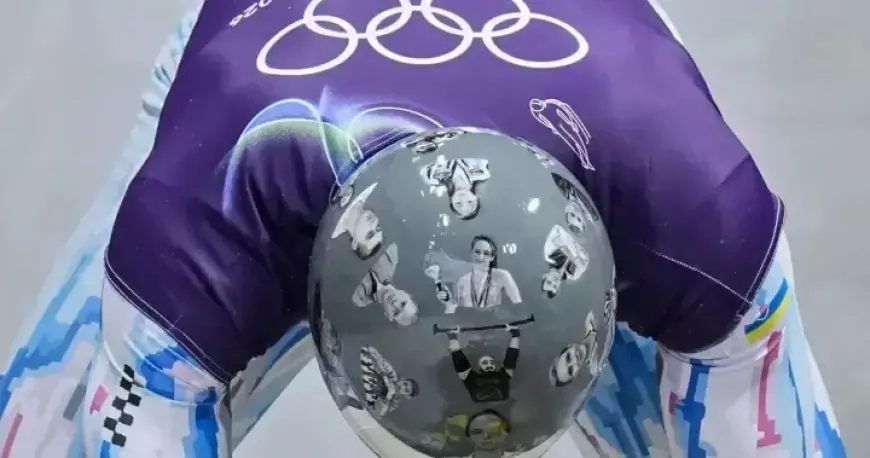
Ukrainian skeleton athlete Vladyslav Heraskevych was disqualified from competing in the Winter Olympics after refusing to remove a helmet that honors athletes and coaches killed in the ongoing conflict with Russia. The incident occurred just 45 minutes before his scheduled race, marking a significant controversy surrounding athlete expression at the Games.
Background of the Incident
On February 12, 2026, in Cortina d’Ampezzo, Italy, Heraskevych was confronted by the International Olympic Committee (IOC) regarding his choice of headgear. The IOC had previously expressed that the helmet violated rules prohibiting political or social statements during competitions. This situation unfolded after a three-day period during which Heraskevych was aware of the risks involved in wearing the helmet.
IOC’s Stance on Helmet Use
- The IOC stated the helmet’s design was inconsistent with the Olympic Charter.
- Concessions were offered, allowing Heraskevych to wear alternatives like a black armband.
- The IOC emphasized the need for rules to maintain order in sport.
Despite acknowledging the powerful message behind the helmet, IOC President Kirsty Coventry was unable to persuade Heraskevych to comply with their request. Coventry later expressed her emotional response to the outcome, highlighting her desire for a different resolution.
Heraskevych’s Response
Heraskevych voiced his frustrations with the IOC’s decision, claiming it reflected a double standard in the enforcement of rules. He stated, “It really looks like discrimination because many athletes already expressed themselves without consequences.” This sentiment was echoed by others, including Ukrainian President Volodymyr Zelenskyy, who condemned the IOC’s ruling.
The decision drew immediate backlash from Ukrainian officials and supporters. Many argued that sport should not overlook or diminish the ongoing conflict through stringent regulations, and Heraskevych’s helmet should be viewed in the context of honoring victims of war.
Comparison with Other Athletes
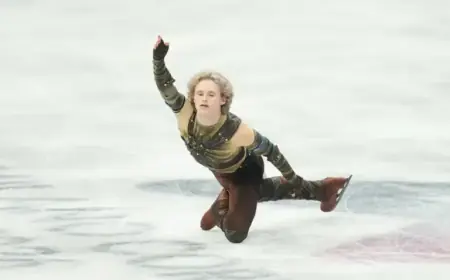
- U.S. figure skater Maxim Naumov honored his deceased parents with a photograph during competition.
- Israeli skeleton athlete Jared Firestone wore a kippah bearing names of victims from a historical tragedy during the opening ceremony.
Heraskevych’s coach and father, Mykhailo Heraskevych, also criticized the IOC, expressing disbelief that such dreams could be destroyed by an arbitrary decision.
Future Actions and Implications
Heraskevych plans to appeal this disqualification to the Court of Arbitration for Sport, despite the uncertainty surrounding his chances of competing again. While his Olympic credential remains valid, he will participate solely as a non-competing athlete.
This incident highlights the ongoing complexities of athlete expression within the framework of international sports competitions. As the situation develops, it raises questions about the balance between maintaining order in sports and acknowledging the athletes’ voices on significant issues.