
























Bank of England’s Andrew Bailey Shocked by Peter Mandelson’s Epstein Leak Claims

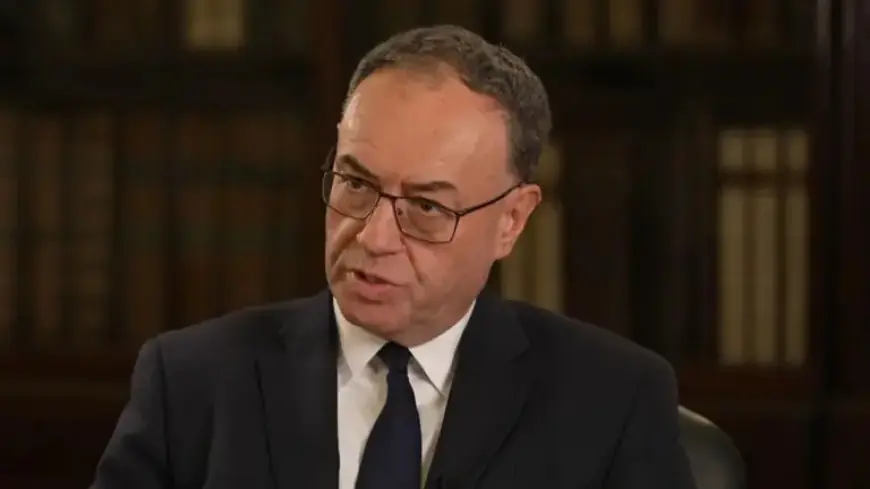
Andrew Bailey, the Governor of the Bank of England, has recently expressed his shock regarding Peter Mandelson’s alleged sharing of sensitive information with Jeffrey Epstein. This revelation came to light during an interview with Sky News. Mandelson, who served as the business secretary in 2008, reportedly transmitted information about the financial crisis to Epstein via email before it was made public.
Background on the Financial Crisis
During the 2008 financial crisis, Bailey was part of the senior management team at the Bank of England. His role involved collaborating with the Treasury and Downing Street to stabilize the UK’s financial system. At that time, the country faced the possible collapse of critical financial institutions.
Concerns grew over cash shortages, prompting discussions about severe measures. UK officials considered selling state-owned assets worth £20 billion to alleviate the financial strain. Meanwhile, European authorities were devising a €500 million rescue package to address the crisis.
Bailey’s Reaction to the Leak
Bailey’s response to Mandelson’s actions was marked by a rare display of emotion. He emphasized his astonishment at discovering the extent of Mandelson’s dealings during such a turbulent time. Bailey noted the significant role played by the late Alistair Darling, who was the chancellor during the crisis, in attempting to stabilize the economy.
Reflecting on the situation, Bailey stated, “I am shocked by what we’re hearing. I am shocked by what we now learn about what went on during the financial crisis period.” His comments underscore the severity of the revelation, given his close connection to the events unfolding at that time.
David Staley’s Controversy
Furthermore, Bailey has unique credentials in addressing Epstein’s connections. In 2019, while serving as the head of the Financial Conduct Authority (FCA), he sanctioned an investigation into Jes Staley, the then CEO of Barclays, related to his ties with Epstein. Staley’s relationship with Epstein raised concerns about transparency, leading to his resignation in 2020 and a subsequent ban from senior roles in financial services.
Broader Implications
Bailey’s remarks raise critical questions about accountability within British society. He pondered, “How is it that we live in a society where this happened and the cover-up occurred?” This sentiment highlights the serious implications surrounding Epstein’s influence, which has permeated various sectors, including the monarchy and politics.
Bailey’s position places him among a select few in British institutions who have pressed for accountability in the wake of Epstein’s scandals. As these revelations unfold, they prompt ongoing discussions about ethics and governance in both public and private sectors.