























“‘Kings and Pawns’ Dives into Jackie Robinson’s Testimony Against Paul Robeson”

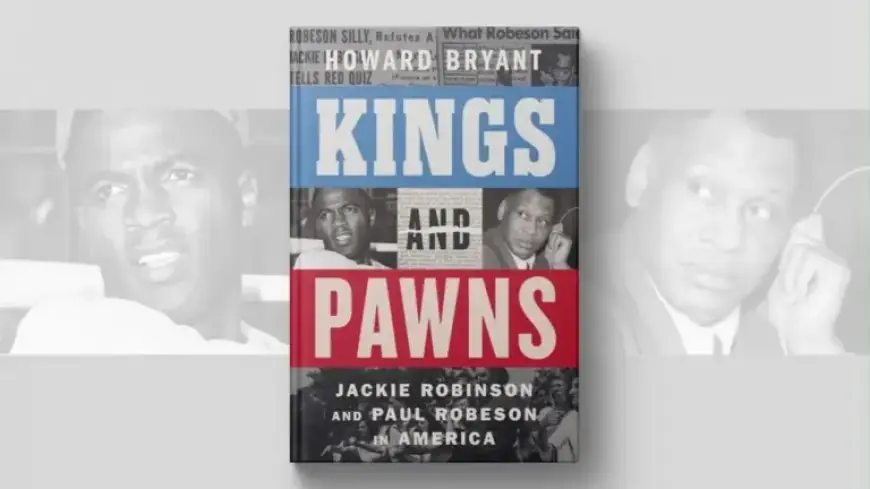
In 1949, baseball legend Jackie Robinson testified before the House Un-American Activities Committee, challenging the words of Paul Robeson, a revered African American actor, singer, and activist. This pivotal moment is explored in detail in Howard Bryant’s new book, Kings and Pawns: Jackie Robinson and Paul Robeson in America. The book delves into the lives of these two influential figures and outlines the societal forces that drove them apart.
Context of the Testimony
The backdrop of Robinson’s testimony is a period marked by Cold War tensions. Paul Robeson was known for his outspoken activism and alleged Soviet sympathies. He suggested that Black Americans would resist fighting against the Soviet Union, asserting it to be a nation that acknowledged their equality. Robinson, however, publicly criticized Robeson’s remarks during his testimony, emphasizing his disbelief in the validity of such a statement.
Robinson’s Perspective
Jackie Robinson responded to Robeson’s assertions by stating that they sounded “very silly” to him. He clarified that while Robeson had the right to express his opinions, he did not agree with them. This testimony was influenced by Robinson’s loyalty to Branch Rickey, the president of the Brooklyn Dodgers, who had a significant role in Robinson’s career and the integration of Major League Baseball.
Legacy of Two Icons
Howard Bryant, the author of Kings and Pawns, emphasizes that Robeson’s historical erasure was not accidental. He claims it was a deliberate effort fueled by the fears of McCarthyism and the political climate of the time. The notion of being labeled a communist was a powerful weapon against individuals during that era, particularly in the African American community.
Robinson’s Reflections
Later in life, Jackie Robinson grappled with his testimony against Robeson. While he did not explicitly state regret, discussions with his wife, Rachel Robinson, revealed a sense of disillusionment regarding their past decisions. They both recognized that societal pressures and political advice heavily influenced their actions.
Lessons from History
The story of Robinson and Robeson resonates in today’s context, according to Bryant. He notes that the historical complacency reflects current societal attitudes. Just as McCarthyism created significant obstacles for Robeson, today’s political climate continues to challenge voices of dissent and activism. Bryant’s book highlights the importance of understanding this past to navigate the complexities of identity, patriotism, and civic responsibility.
Conclusion
Kings and Pawns: Jackie Robinson and Paul Robeson in America sheds light on the intersection of race, politics, and sports, revealing how personal choices and societal expectations shape the narratives of significant figures. This exploration serves as a reminder of the enduring impact of historical events on contemporary issues. By examining these figures, readers can gain insights into the ongoing struggles for equity and justice in America.