
























Minneapolis Shutdown Affects Kennedy Center, Grammys, and DOE: NPR Reports

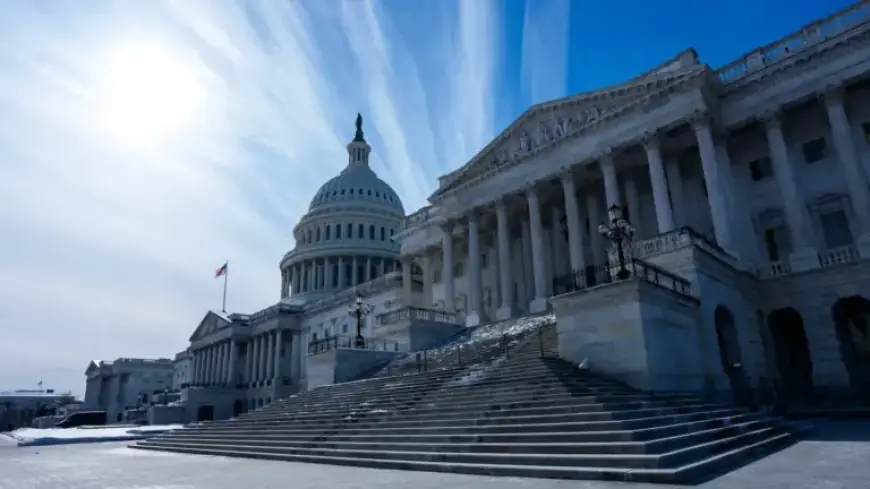
Recent developments have raised concerns as a partial government shutdown impacts key institutions, including the Kennedy Center, the Grammy Awards, and the Department of Education. This situation arose after Congress failed to meet a funding deadline, leaving many federal employees either furloughed or working without pay.
Details of the Government Shutdown
The federal government partially shut down on January 31, following Congress’s inability to approve a budget for 2026. Senate Democrats caused this disruption by linking funding for the Department of Homeland Security (DHS) to immigration enforcement reforms. However, both the White House and congressional leaders anticipate a brief shutdown.
Protests and Legal Actions in Minneapolis
In Minneapolis, a federal judge has allowed the Trump administration to proceed with immigration enforcement, which has ignited protests from thousands of residents. Local attorneys argue that these actions violate constitutional protections. Although U.S. District Judge Kate Menendez expressed doubts about the legal success of the case, she acknowledged its serious implications for both Minnesota and federal policies.
Impact on Cultural Institutions
As the government shutdown progresses, the Kennedy Center could face an unexpected closure. President Trump announced his intention to shut down the performing arts center for two years for renovations, elevating concerns about its future after it was renamed the Trump Kennedy Center. This name change is currently under legal challenge, compounding difficulties for the center as artists withdraw and patrons cancel their memberships.
Grammys and Cultural Achievements
At the recent Grammy Awards, Bad Bunny made history as the first artist to win Album of the Year for a Spanish-language album with “DeBÍ TiRAR MáS FOToS.” He dedicated the award to immigrants pursuing their dreams.
Department of Education Costs
The U.S. Government Accountability Office has reported that the Trump administration’s attempts to reduce the Department of Education’s Office for Civil Rights cost taxpayers approximately $38 million. Efforts to fire staff were halted by court interventions, resulting in continued payments to employees who were restricted from returning to work.
Conclusion
The ongoing government shutdown has significant ramifications. Key institutions, both cultural and educational, are at a crossroads amidst political maneuvering. It remains to be seen how representatives will navigate these challenges in the coming days.