









![Couple Style at the 2026 Oscars: Paul Mescal and Gracie Abrams and More [PHOTOS]](https://www.filmogaz.com/uploads/images/202603/image_430x256_69b907928c3c7.webp)








Ajit Pawar’s Death Highlights VIP Air Travel Risks: Chartered Flights & Oversight Issues

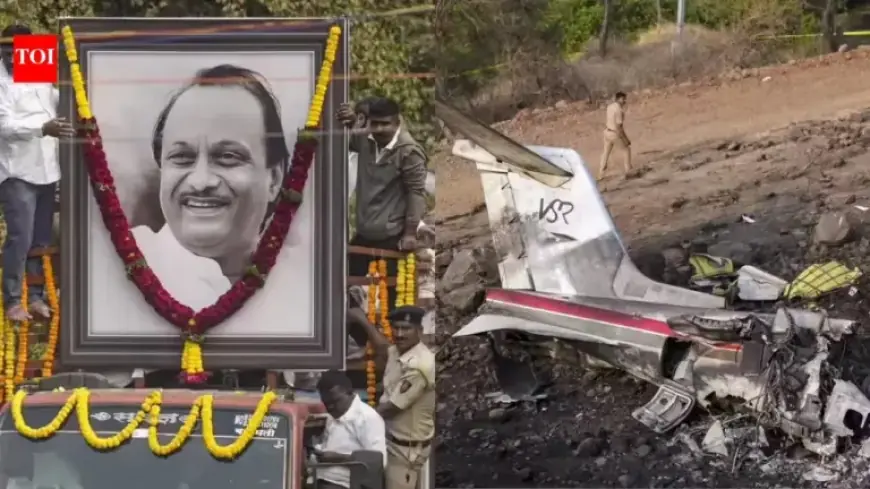
Ajit Pawar’s tragic death in a charter aircraft crash has reignited concerns about VIP air travel safety in India. The incident highlights the risks associated with non-scheduled aviation and raises questions about the urgency surrounding political schedules that may override safety protocols. With India’s civil aviation sector growing rapidly, the need for regulatory oversight and infrastructure support has never been more critical.
Details of the Crash
On a Wednesday morning, a Learjet 45, carrying Pawar and four passengers, departed from Mumbai to Baramati. The aircraft communicated with Baramati Air Traffic Control around 8:18 AM but faced challenges during approach due to reduced visibility from ground fog. After a brief go-around, the crew attempted to land at approximately 8:43 AM but tragically crashed just a minute later. No Mayday call was made prior to the crash.
CCTV Footage and Investigative Focus
CCTV footage revealed the aircraft banking sharply left before descending. Investigators will analyze cockpit voice recordings, flight data, and radar tracks to understand the factors leading to the crash, including potential technical issues and situational awareness failures.
The Broader Context of VIP Air Travel
VIP air travel in India often prioritizes speed over safety, which creates substantial risks. Unlike scheduled airlines that adhere to strict protocols, charter operations vary widely in terms of management standards. Some companies offer high safety standards, while others may operate with fewer checks, increasing potential risks.
Regulatory Challenges in Non-Scheduled Aviation
- Fast-paced growth in the aviation sector is outpacing the regulatory capacity of the Directorate General of Civil Aviation (DGCA).
- A Parliamentary Committee noted that oversight of the non-scheduled aviation sector is inadequate, with highlighted needs for better maintenance and operational controls.
- Small airfields like Baramati often lack advanced navigational aids, making landings riskier.
Urgency and Decision-Making in Political Flights
Political leaders frequently rely on chartered aircraft to meet demanding schedules. This dependence can create an environment where procedural discipline may weaken due to the pressure to adhere to tight itineraries. Such operational realities may lead to compromised safety decisions.
Increased Demand and Oversight Considerations
The demand for charter flights increases significantly during election cycles, potentially raising safety risks. Investigations reveal many political leaders utilize non-registered aircraft, indicating regulatory compliance issues.
Past Incidents and Patterns
Pawar’s crash brings attention to a history of aviation incidents involving political figures in India, including various close-calls and accidents over the years. This pattern highlights the inherent risks associated with political travel, particularly in challenging weather and terrain.
Recent Examples of Political Aviation Near-Misses
- 1977: Prime Minister Morarji Desai survived a perilous aircraft accident, narrowly escaping disaster.
- 2004: Congress leaders Ahmed Patel, Prithviraj Chavan, and Kumari Selja were involved in a serious aircraft accident but emerged unscathed.
- 2011: Former Rajasthan CM Ashok Gehlot escaped a helicopter emergency due to the pilot’s quick response.
Moving Forward: Aviation Safety Reforms
Pawar’s death may prompt critical reforms in aviation safety practices for VIP travel. Recommendations could include strengthening oversight of charter operators, enhancing infrastructure at regional airfields, and formalizing risk assessment protocols.
As India grapples with the complexities of its expanding aviation landscape, ensuring safety in VIP air travel must remain a priority. The tragic incident serves as a crucial reminder that safety cannot be compromised for the sake of political expediency.