

























Football’s Glory Days Won’t Last Forever

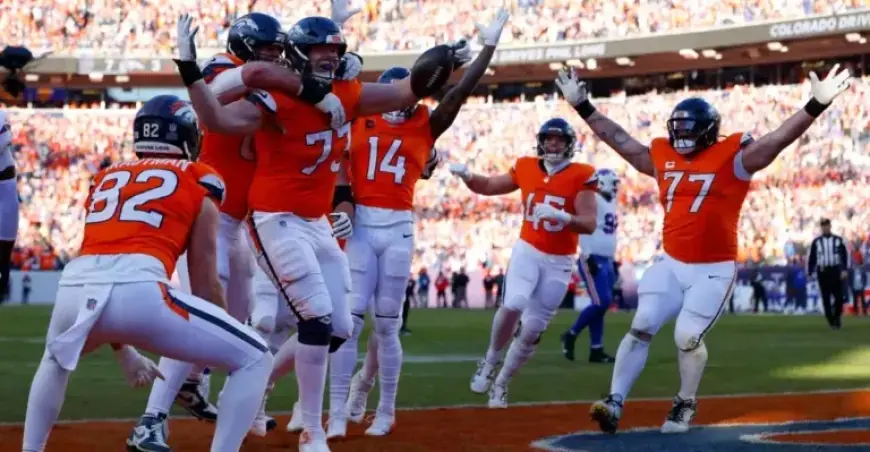
Football has long been a central part of American culture, reflecting both its highs and lows. This iconic sport is beloved by many, yet also criticized for its inherent violence and commercialization. Understanding the duality of football’s nature provides valuable insight into its significance in society today.
Football’s Cultural Significance
Football is celebrated as America’s most popular sport, embedding itself in the weekly routine of millions. It influences social connections, acting as a communal ritual for many. However, it is also viewed with criticism, being associated with violence and excessive behavior. The complexity of football lies in its ability to evoke both love and disdain, emphasizing the need for a deeper conversation about its impact.
Insights from Chuck Klosterman’s New Book
Author Chuck Klosterman delves into the intricate relationship between football and mass culture in his latest book. He explores how football functions as a mediated experience. Most fans encounter football through television, which shapes their understanding of the game. This unique approach raises questions about the cultural relevance and future of football.
– Football serves as a metaphor for organized conflict, echoing themes of war.
– Its televised nature capitalizes on the sport’s structure, making it appealing to audiences.
– Klosterman notes that football’s essential experience is curated through a lens that simplifies its complexities.
The Future of Football
Klosterman suggests that while football is currently thriving, it faces a potential decline. The mechanics of advertising economics and changing cultural perceptions significantly impact its future. He argues that as generational connections to football fade, its emotional significance may wane.
- The sport’s modern appeal relies heavily on traditional advertising methods.
- Future generations may experience a diminished connection to football.
- As audiences become more fragmented, traditional narratives may fail to resonate.
Reflections on Risk and Meaning
One of the striking aspects of football is its balance of engineered play and spontaneous moments. Every play is meticulously planned, yet the unpredictability of the game creates excitement. However, this risk also poses moral questions about player safety and the broader implications for society.
– The recent Damar Hamlin incident highlighted football’s fragile nature and the collective concern surrounding player safety.
– While injuries can invoke deep reflection on the sport, the ingrained structure allows for quick resumption of normality.
Conclusion: A Fragile Future
Ultimately, Klosterman views football as a curious blend of positives and negatives. With a delicate balance of cultural importance and ethical considerations, the sport does evoke a sense of community and belonging. Yet, it also poses challenges regarding safety and societal values.
As football continues to dominate American culture, its long-term sustainability remains uncertain. Understanding the nature of football now is crucial, as future generations may interpret its significance differently. As we navigate these complexities, football’s glory days may indeed be fleeting.
For an in-depth exploration of these themes, be sure to check out Chuck Klosterman’s book and listen to further discussions on Filmogaz.com.