
























Judge Halts FBI’s Examination of Washington Post Reporter’s Seized Devices

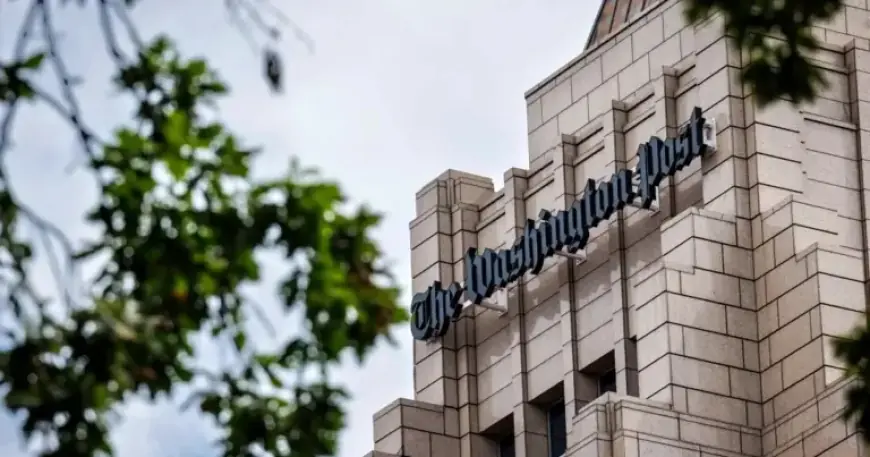
A federal judge has prohibited the FBI from examining devices seized from the Virginia residence of Washington Post reporter Hannah Natanson. This decision occurred in response to a motion filed by the Post following the seizure, which has raised significant concerns about press freedom.
Judge’s Ruling and Next Steps
U.S. Magistrate Judge William B. Porter issued his ruling on Wednesday in the Eastern District of Virginia. He emphasized the need for the government to preserve, but not examine, the materials confiscated during the search. The ruling aims to maintain the status quo while the case undergoes further review.
- Judge Porter set a deadline for the government to respond to the newspaper’s motion by January 28.
- A hearing is scheduled for early February to address the matter fully.
Concerns Over Press Freedom
The Washington Post has decried the seizure, describing it as an “outrageous” act that threatens confidential newsgathering. The newspaper stated that such actions chill free speech and reporting, resulting in profound harm each day the materials remain in government hands.
Context of the Investigation
The search of Natanson’s home on January 14 was part of a broader investigation into a government contractor, Aurelio Perez-Lugones, accused of unlawfully retaining classified information. Perez-Lugones is a Navy veteran who has been charged with “unlawful retention of national defense information.”
Background on the Contractor
- Aurelio Perez-Lugones is a system administrator based in Maryland.
- He faces allegations of unauthorized access to classified information databases.
- Perez-Lugones has not been charged with leaking sensitive data.
Government Statements and Reactions
Despite attempts to clarify its position, the Justice Department has not provided an immediate comment on the situation. Attorney General Pam Bondi remarked on social media about the Defense Department’s involvement in the investigation, noting that the journalist was connected to efforts to obtain classified information.
Throughout this incident, the Washington Post has asserted its status as a key player in public interest reporting, pledging to protect its journalists despite the escalating tensions surrounding national security and press freedoms.