Sundance Film Festival’s Definitive Oral History Revealed

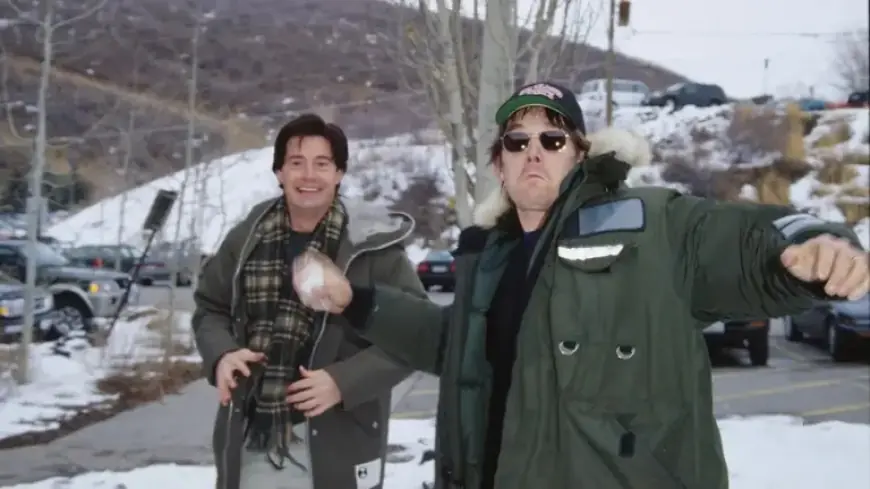
The Sundance Film Festival has a rich history of moments that often remain untold. Filmmakers have shared their unique experiences, revealing not only the challenges they faced but also the unexpected, sometimes humorous incidents that define the festival.
Sundance’s Foundational Stories
The festival’s evolution began in 1981 when Robert Redford brought Sundance to Park City, Utah. John Sayles, who premiered “Return of the Secaucus Seven,” recounts winning second place that year. This marked the beginning of Sundance’s transformation into a significant venue for indie filmmakers.
Filmmakers’ Experiences
Quentin Tarantino, who debuted at Sundance with “Reservoir Dogs,” credits the festival as a launchpad for independent cinema. He recalls his time in 1991, where he received invaluable feedback from industry legends while fine-tuning his craft.
Richard Linklater reflects on Sundance’s rustic beginnings as a place where independent films were nurtured, while Darren Aronofsky recalls attending to support friends before creating his iconic work “Pi.” Justin Lin expressed how the festival represented hope for emerging filmmakers, viewing Sundance as a meritocratic platform sown with opportunities.
Noteworthy Incidents
- Catherine Hardwicke, during her debut with “Thirteen,” had to act as a chaperone for 14-year-old star Nikki Reed amid unwanted advances from older filmmakers.
- Nicole Holofcener experienced a plane mishap involving a bird strike, which delayed her arrival during a snowstorm.
- Janicza Bravo had to rush Zola star Riley Keough to the ER due to illness.
- Clint Bentley humorously shared that he mistakenly took weed gummies before his debut “Jockey” was acquired.
The Impact of Sundance on Independent Film
The festival is not just about screenings; it is a networking hub. Many filmmakers, including Kimberly Peirce and Ava DuVernay, emphasized how Sundance has been crucial for their careers and how it has served as a storytelling platform for diverse narratives. Peirce highlighted the struggle surrounding the completion of “Boys Don’t Cry” and how entering Sundance helped her secure distribution for an unfinished project.
Memorable Acquisitions and Sales
The competitive atmosphere is palpable, often leading to fierce negotiations. For example, “The Queen of Versailles” was acquired under the shadow of a lawsuit, demonstrating the festival’s duality of chaos and opportunity. Similarly, films like “CODA,” purchased for $25 million, showcase the significant impact of Sundance on the film market.
Challenges and Triumphs
Many filmmakers shared moments of anxiety surrounding public screenings. Linklater recounted a tense first screening for “Slacker,” which received mixed reactions. For some, initial failure at Sundance led to greater successes, embodying the festival’s narrative of resilience. Karyn Kusama reflects on how winning awards can be both a validation of hard work and a source of pressure for future projects.
Conclusion: The Legacy of Sundance
Sundance continues to be a beacon for independent filmmakers, shaping the industry and supporting stories that challenge mainstream narratives. Its legacy is built on the experiences of those who dared to showcase their art and navigate the unpredictable waters of the film world. For more insights on the festival and its impact, visit Filmogaz.com.