
























Building a Mac App with Claude Code Took 8 Intensive Hours

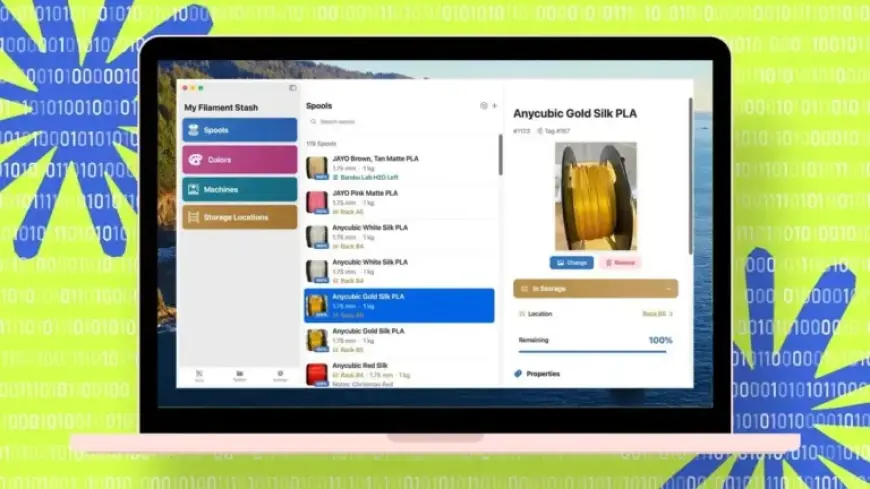
Building a Mac app using Claude Code took approximately eight intensive hours of project time over the course of a month. This process highlights the blend of creativity and oversight required when leveraging AI tools in software development.
Transitioning from iPhone to Mac
The project began with an existing iPhone app designed to manage 3D printing filament spools. This application tracked the movement of 120 spools across multiple storage racks and 3D printers. Its key features included NFC tagging for easy tracking and image capturing through the device’s camera. However, the goal was to develop a similar application for the Mac, enhancing accessibility during printing operations.
Technical Setup
- The original iPhone app was built using Swift and SwiftUI within Xcode.
- Claude Code was utilized in the terminal environment to assist in the coding process.
- Integration with iCloud was established from the beginning to ensure data synchronization between devices.
The Development Challenge
Porting the app required significant rework rather than complete rewriting due to the lack of camera and NFC support on the Mac. The initial phase involved instructing Claude Code to create a Mac version while retaining key data management features from the iPhone.
Coding Experience and Challenges
The first iteration produced an unrefined app, but it served as a starting point. The process involved multiple rounds of testing and refinement to improve functionality and user interface. Claude faced difficulties with scaling UI elements and integrating features appropriate for the Mac’s multi-window environment.
Management Over Coding
Throughout the eight-hour development span, more time was spent managing Claude Code than performing actual coding tasks. This required a mindset similar to collaborating with a human programmer, with a focus on querying, directing, and correcting the AI’s output.
Final Touches and Feedback
Documenting errors and updates became paramount in enhancing Claude’s developmental output. After addressing initial performance concerns, such as slow spool list loading, a thumbnail caching system was implemented for efficiency. This allowed for smoother scrolling even with large data sets.
Conclusion
Successfully building a Mac app with Claude Code emphasizes the importance of careful management and iterative testing. The end result—a tailored application for 3D printing management—demonstrates the potential of AI-assisted coding while revealing challenges inherent in such workflows. The experience proves invaluable for those looking to integrate AI tools like Claude Code into their software development process.