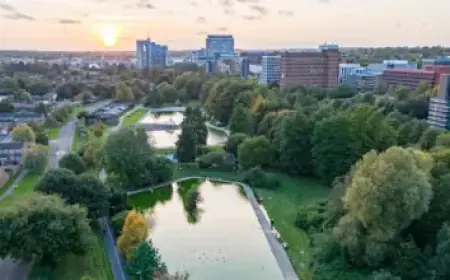
Are Urban Foxes Self-Domesticating in Our Cities?

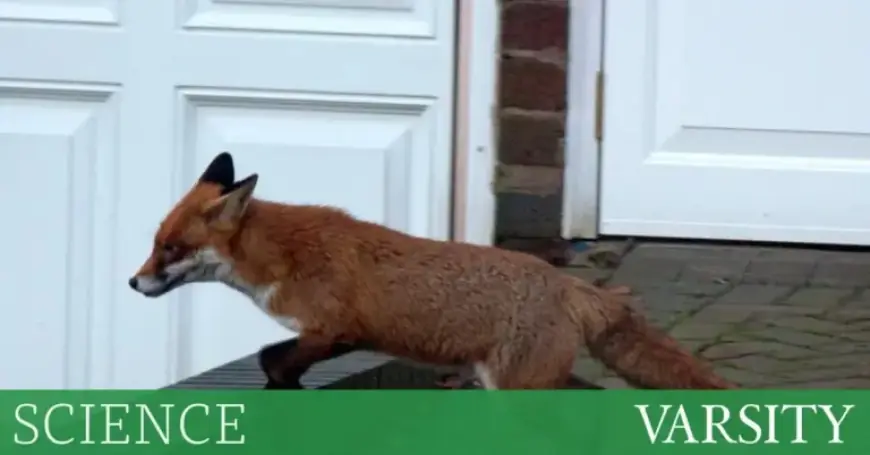
The growing presence of urban foxes, particularly the red fox (Vulpes vulpes), has sparked debates about their potential self-domestication. This phenomenon is becoming evident in cities like Cambridge, where residents frequently encounter these creatures in their neighborhoods.
Understanding Urban Foxes and Self-Domestication
Self-domestication refers to the process where animals adapt to living in close proximity to humans, often altering their behaviors and physical traits. Unlike traditional domestication, which is directed by humans, self-domestication occurs through natural selection based on an animal’s ability to thrive in human-altered environments.
Evidence of Change
- Urban foxes display notable morphological changes compared to their rural counterparts.
- Studies reveal shorter snouts and smaller brain cases among urban fox populations.
- Behaviorally, urban foxes demonstrate bolder responses to novel food sources.
These changes align with what researchers term the “domestication syndrome,” commonly observed in domesticated species. A 2020 study indicated that urban foxes may evolve physical features that enhance their adaptability to city life, leading to increased scavenging behaviors.
Behavioral Adaptations
As urban foxes encounter stationary food sources more frequently than live prey, their physical adaptations, such as shorter jaws, are becoming advantageous. This adaptation reduces the energetic costs associated with food acquisition, indicating a shift towards a lifestyle better suited for urban environments.
This bold behavior may signal a gradual shift in their fear responses towards humans, suggesting that these foxes are increasingly comfortable navigating their urban landscapes.
The Path Forward
Despite signs of self-domestication, experts caution that urban foxes still retain their wild characteristics. Dr. Blake Morton, who studied urban fox behavior, emphasizes that complete domestication is a distant prospect. He asserts, “definitely not within our lifetimes, and it wouldn’t be for many, many generations.”
As urban areas become increasingly intertwined with wildlife, residents must remember that even the friendliest urban fox remains a wild animal at heart.
With the ongoing interaction between humans and foxes, the understanding of their behavioral and morphological changes remains crucial. Future research will continue to shed light on whether urban foxes are indeed self-domesticating in our cities.