BCB and ICC Dispute Over Bangladesh T20 World Cup Venues Persists

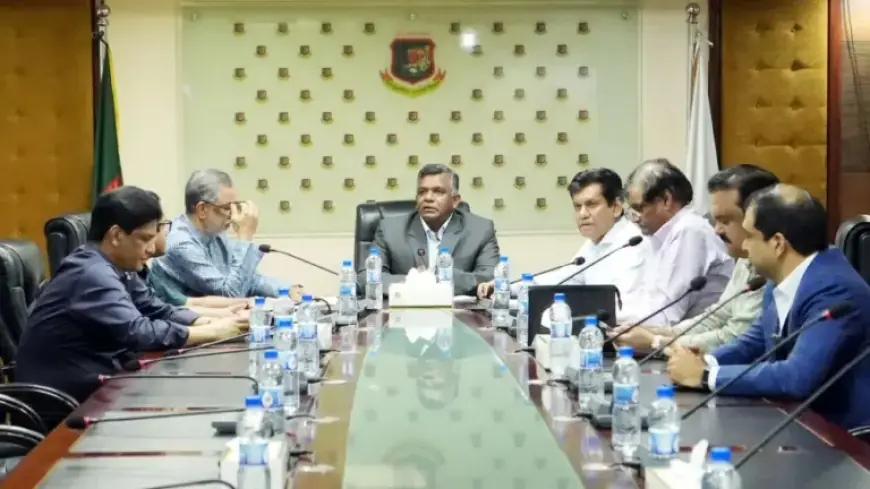
The ongoing dispute between the Bangladesh Cricket Board (BCB) and the International Cricket Council (ICC) over the T20 World Cup venues remains unresolved. This conflict arises from Bangladesh’s refusal to compete in India during the 2026 T20 World Cup, citing security concerns.
Background of the Dispute
The 2026 T20 World Cup is set to commence on February 7, co-hosted by India and Sri Lanka. Despite scheduled matches approaching, the BCB has not reached an agreement with the ICC regarding the venues.
Recent Developments
A meeting held recently concluded with the BCB emphasizing its request to relocate Bangladesh’s matches to Sri Lanka. This request is informed by the concerns of the Bangladeshi government regarding safety for players, fans, and media.
- Bangladesh is currently placed in Group C alongside England, Nepal, West Indies, and Italy.
- The team’s matches are set to take place in Kolkata and Mumbai.
- The BCB has reiterated its stance during multiple discussions with the ICC.
Meeting Participants
The ICC delegation included Gaurav Saxena, who participated virtually due to visa delays, and Andrew Ephgrave, who attended in person. The BCB delegation was represented by:
- Aminul Islam – BCB President
- Shakawath Hossain – Vice President
- Faruque Ahmed – Vice President
- Nazmul Abedeen – Director and Chairman of Cricket Operations
- Nizam Uddin Chowdhury – CEO
Concerns and Assessments
The BCB voiced apprehensions regarding the safety of its players amid reported tensions between India and Bangladesh. The ongoing issues were compounded when the Board of Control for Cricket in India (BCCI) requested Kolkata Knight Riders to remove Bangladeshi player Mustafizur Rahman from their IPL 2026 squad.
- The omission of Mustafizur was not detailed, fostering strained relations between the two boards.
- Subsequently, the Bangladeshi government banned the IPL broadcast in the country.
- The BCB has expressed non-negotiable concerns about participating in World Cup matches in India.
An independent security agency prepared a risk assessment for the World Cup, indicating a moderate-high threat level for teams in India. However, it stated that there is no specific intel indicating a direct threat to participating teams.
Conclusion
The BCB and ICC must navigate these challenges quickly as the tournament approaches. Both sides continue to seek a constructive resolution to ensure the safety and competitive integrity of the tournament.