Political Analyst Evaluates Canada’s New Tariff Agreement with China

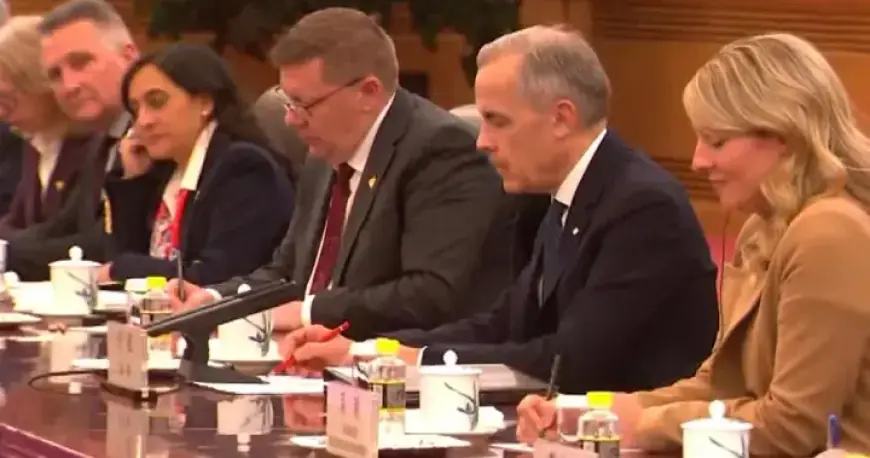
Prime Minister Mark Carney recently announced a new trade agreement between Canada and China. This significant deal will allow the entry of Chinese electric vehicles into Canada. In exchange, tariffs on Canadian agricultural products, particularly canola, will be reduced.
Political Analysis of Canada’s Trade Agreement with China
Political analyst Ken Coates responded to the new tariff agreement, expressing concerns. Coates stated that the tariff conflict with China should have been avoided. He emphasized that imposing tariffs on Canadian canola disrupts a natural partnership.
Coates remarked, “This is a conflict that shouldn’t have happened. China should never impose tariffs in this manner.” He described the relationship with China as complicated and risky after a decade of caution about engaging with the nation.
Impact on Canada-U.S. Relations
One of Coates’ major concerns is the potential backlash from the United States. He noted that U.S. President Donald Trump could view Canada’s new trade alignment as a move away from American partnerships. This situation raises questions about the stability of the Canada-U.S. trade agreement.
According to Coates, if the U.S. perceives Canada as prioritizing China over America, there could be repercussions. He warned, “People might present this to Trump as Canada has chosen China over the United States.”
Collaboration Amidst Challenges
Despite his reservations, Coates acknowledged the collaborative efforts between federal and provincial leaders. He highlighted the roles of Saskatchewan Premier Scott Moe and Prime Minister Carney in negotiating terms that benefit the province. “They stood up for Saskatchewan, and it’s not as bad as it was before,” Coates said, noting the importance of working together.
In conclusion, while the new trade agreement with China presents opportunities for Canada, it also creates potential challenges for its relationships with other partners, particularly the United States.