Top 10 War Movie Masterpieces of the Century, Ranked

War movies have long captivated audiences by exploring the complexities of conflict. This genre encompasses a rich tapestry of narratives, from the grandeur of epic battles to intimate stories of personal struggle. Here, we present the top 10 war movie masterpieces of the century, each uniquely contributing to the portrayal of war’s impact on the human experience.
Top 10 War Movie Masterpieces of the Century, Ranked
10. Full Metal Jacket (1987)
Directed by Stanley Kubrick, this film presents a poignant look at the Vietnam War through the eyes of a Marine recruit. The narrative unfolds in two acts: the rigorous training of soldiers and the chaos of battle. The character arc of Private Leonard “Gomer Pyle” effectively showcases the mental toll of war.
9. Come and See (1985)
This Belarusian film stands as one of the most harrowing anti-war narratives. Set during the German invasion of the Soviet Union in WWII, it follows a young boy who becomes increasingly consumed by the brutal realities of conflict. With its unflinching portrayal of war’s horrors, Come and See offers a challenging viewing experience that leaves a lasting impression.
8. Apocalypse Now (1979)
Francis Ford Coppola’s iconic film reimagines Joseph Conrad’s novel within the context of Vietnam. Following a soldier’s mission to find a rogue colonel, the film blends dreamlike sequences with psychological horror, capturing the disorienting nature of war. Its unique storytelling sets a benchmark in war cinema.
7. The Great Escape (1963)
Starring Steve McQueen, this film chronicles a daring escape plan from a Nazi POW camp during WWII. While it takes creative liberties with historical facts, it remains an entertaining and exhilarating adventure, resonating as one of the greatest POW films in cinematic history.
6. Lawrence of Arabia (1962)
This epic biographical film follows British officer T.E. Lawrence, who assists Prince Feisal in WWI. Peter O’Toole’s performance earned him an Oscar nomination, while the film itself received seven Academy Awards. Spanning 222 minutes, Lawrence of Arabia balances personal and historical narratives seamlessly.
5. All Quiet on the Western Front (1930)
This groundbreaking film set the standard for war narratives before WWII. Adapted from Erich Maria Remarque’s novel, it portrays German youths grappling with the brutal realities of trench warfare. Its innovative use of sound and visual storytelling makes it a timeless classic.
4. Saving Private Ryan (1998)
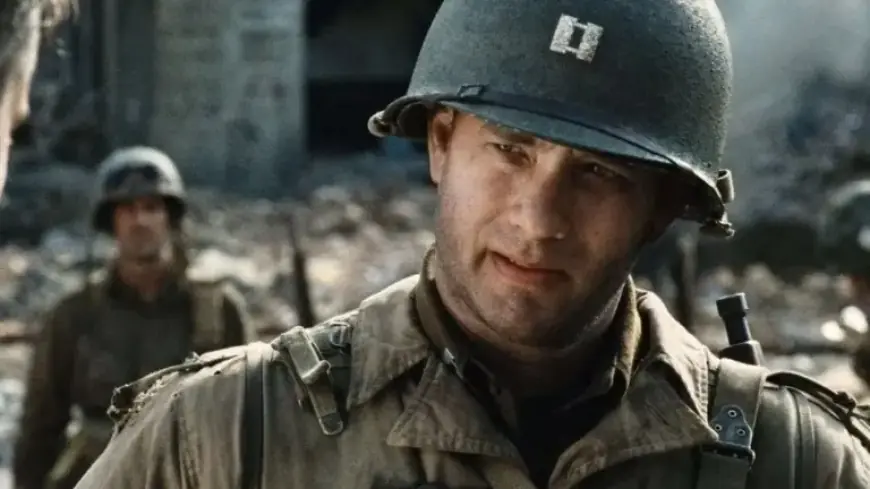
Directed by Steven Spielberg, this film is renowned for its visceral depiction of the Normandy invasion. The story follows a battalion on a mission to rescue a soldier whose brothers have all died in combat. The film combines thrilling action with rich character development, making it a standout in the genre.
3. Paths of Glory (1957)
Stanley Kubrick’s earlier film explores the moral complexities of military bureaucracy during WWI. It centers on a Colonel’s decision to court-martial soldiers accused of cowardice. Through its slow-burning narrative, Paths of Glory critiques the mechanizations of war and is marked by an unforgettable performance from Kirk Douglas.
2. Das Boot (1981)
This German film provides an insight into life aboard a WWII U-boat. It follows a war correspondent documenting the crew’s experiences, blending intense action with intimate character moments. Das Boot is celebrated as the greatest submarine film ever made, offering a gripping look at naval warfare.
1. Schindler’s List (1993)
Though often debated, Schindler’s List is a poignant war narrative tied to WWII themes. It tells the true story of Oskar Schindler, who saved over a thousand Jewish refugees from the Nazi camps. The film explores profound themes of morality, redemption, and the capacity for human evil, making it a cornerstone in war cinema.
Conclusion
The cinematic landscape of war films provides diverse narratives that reflect the complexities of human conflict. From heroic sagas to deep emotional tours, these masterpieces stand as significant contributions to the film industry, challenging viewers to reflect on the nature of war and its far-reaching consequences.