

























“Top 5 Infectious Diseases to Monitor in 2026”

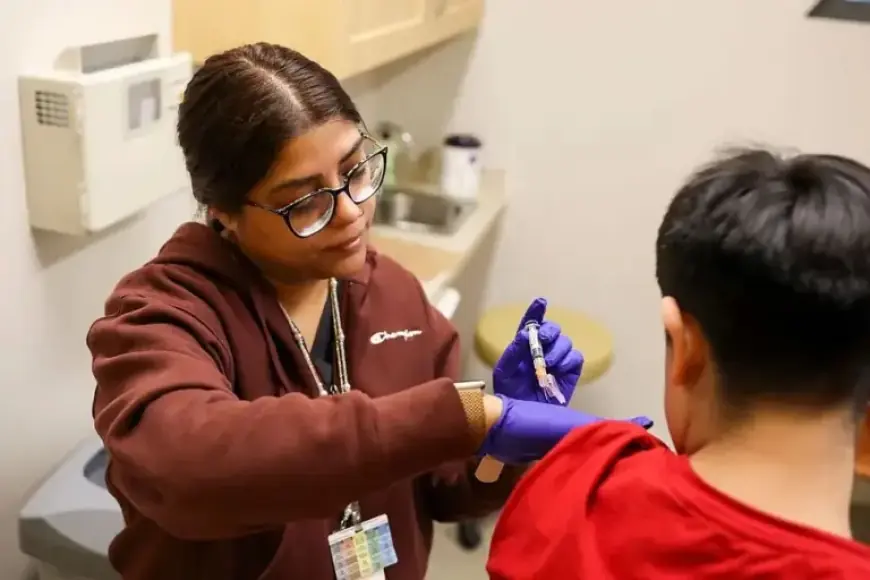
Concerns surrounding public health in the United States have grown due to declining childhood vaccination rates. Experts warn that decreasing immunization could lead to significant outbreaks of infectious diseases in the near future. Notable figures in the health community voice that the current situation might worsen as misinformation surrounding vaccines spreads.
Top 5 Infectious Diseases to Monitor in 2026
As we approach 2026, healthcare professionals advise vigilance concerning the following infectious diseases:
1. Influenza (Flu)
- The flu season is already active, with new variants emerging.
- As of now, the Centers for Disease Control and Prevention (CDC) estimates over 15 million flu cases, 180,000 hospitalizations, and 7,400 deaths this season.
- Last year marked a significant flu season, with the deadliest impact recorded on children in over a decade.
- Less than 50% of children received a flu vaccine this season, a notable decline compared to previous years.
2. Measles
- In 2025, the U.S. reported over 2,000 measles cases, the highest number since the disease was declared eliminated in 2000.
- Measles vaccination has successfully prevented millions of deaths worldwide over the decades.
3. Polio
- Polio has the potential to return due to declining vaccination rates.
- Concerns arise due to ongoing polio prevalence in Pakistan and Afghanistan.
- Experts emphasize that unvaccinated children in the U.S. could contribute to potential outbreaks.
4. Disease X
- Disease X is a hypothetical placeholder for a future epidemic or pandemic-causing pathogen.
- This concept urges public health officials to prepare for unknown threats that could emerge.
5. Bird Flu
- The CDC is currently monitoring bird flu, which poses a low public health risk but is evident in wildlife.
- Instances of human infection in the U.S. have been documented, primarily among dairy and poultry workers.
- Over 70 human cases and two deaths have occurred due to bird flu since 2024.
Experts stress that the combined effects of misinformation about vaccines and decreasing vaccination rates could lead to serious public health consequences. The need for robust vaccination programs is critical in mitigating the risks associated with these infectious diseases.