






















Stalin Questions Pongal’s Identity: Tamil, Dravidian, or National Festival?

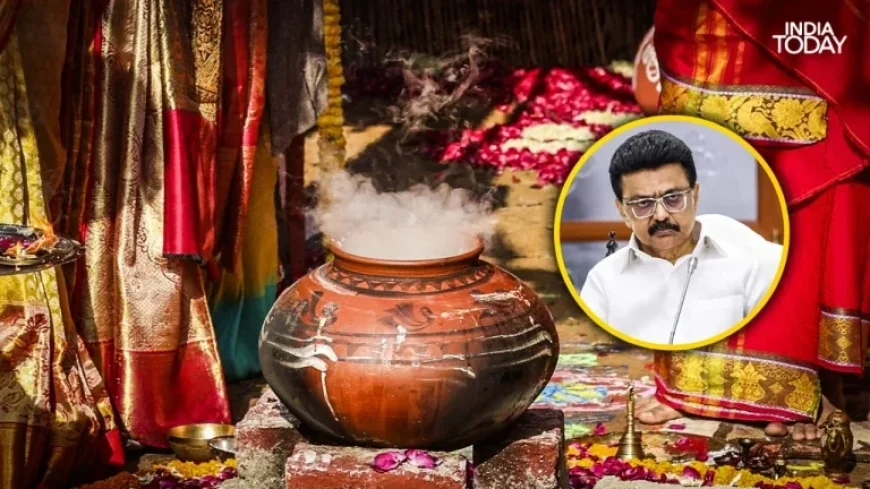
As Tamil Nadu gears up to celebrate Pongal, Chief Minister MK Stalin has ignited a debate regarding the festival’s identity. He has branded Pongal as a “Dravidian festival,” emphasizing themes of social justice and cultural identity. This declaration comes in the context of the upcoming 2026 Assembly elections, raising questions about the festival’s historical roots and its political implications.
The Identity of Pongal: Dravidian or Tamil?
Pongal has its origins in the Sangam Age, predating the concept of “Dravidian” as a political term. The festival, celebrated for over 2,000 years, is rooted in agricultural practices and gratitude towards nature. However, the DMK’s recent framing of Pongal as a purely Dravidian event appears strategic, aimed at bolstering cultural identity ahead of the elections.
The Broader Context of Harvest Festivals
While Tamil Nadu observes Pongal, similar harvest celebrations take place across India. These include:
- Makar Sankranti in Andhra Pradesh and Karnataka
- Lohri in Punjab
- Bihu in Assam
Despite the varying names and customs, the underlying theme remains consistent: a celebration of the harvest and gratitude to the sun. This raises the question of whether the distinctions drawn by regional identities serve a political purpose rather than reflecting genuine cultural differences.
The Secular Shift: Pongal beyond Religion
Stalin’s administration promotes Samathuva Pongal, a secular version of the festival. This initiative has successfully embraced participation from diverse faiths in Tamil Nadu. Many observe Pongal as a “Tamil Thanksgiving,” rather than a strictly Hindu holiday. This shift highlights a broader trend toward inclusivity but raises discussions about identifying shared cultural practices on a national level.
Jallikattu: A Symbol of Cultural Identity
Jallikattu, traditionally a village ritual in Tamil Nadu, has also been turned into a symbol of Dravidian pride. Yet, similar cattle-taming competitions exist beyond Tamil Nadu, suggesting that such cultural practices transcend regional boundaries. Presenting Jallikattu solely as a Dravidian sport risks diminishing its shared heritage within India.
Political Implications Ahead of the 2026 Elections
The upcoming Assembly elections in 2026 showcase the DMK’s strategic emphasis on cultural identity. With financial incentives planned for citizens, including a cash gift of Rs 3,000 to over 2.22 crore ration cardholders, the party aims to associate these benefits with Dravidian governance. This approach ties political identity directly to cultural and social initiatives during a critical election period.
The Essence of Pongal
As Pongal approaches on January 15, its significance as a celebration of nature and agriculture remains paramount. While political rhetoric seeks to claim ownership of the festival’s identity, its essence exists beyond party lines. The spirit of Pongal is a testament to the intricate bond between people, culture, and the land, reflecting a national heritage rather than a singular regional claim.
Stalin’s portrayal of Pongal as a Dravidian festival may serve short-term political goals, but the festival’s true form is a celebration shared across cultural and regional divides. Pongalo Pongal serves as a reminder of this unity, transcending the barriers of identity in favor of collective gratitude and celebration.