























Viral bodycam footage renews scrutiny of Iowa fraternity hazing as Alpha Delta Phi suspended until 2029

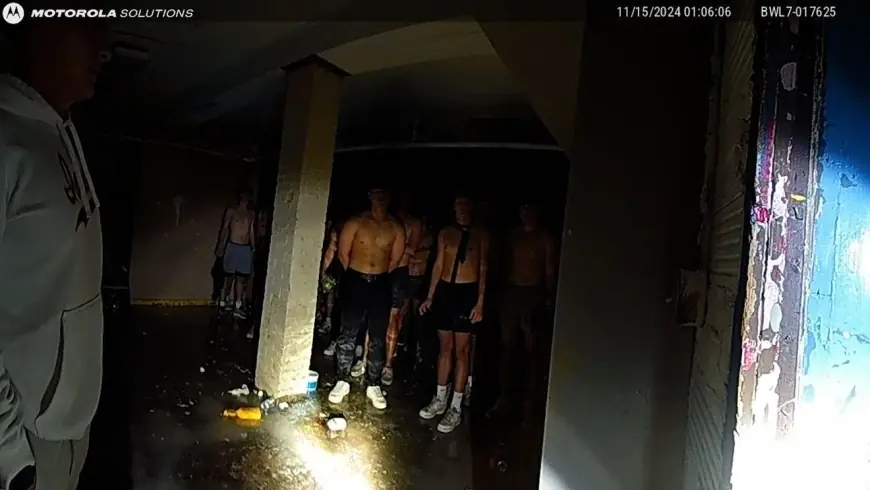
Body camera footage released after a viral online video reveals dozens of shirtless, blindfolded pledges crowded into a fraternity basement during an apparent hazing incident, prompting a multiagency response and a university suspension that will keep the chapter offline through the summer of 2029.
What the footage shows and how crews responded
The video, captured on officers’ body cameras when emergency crews answered a fire alarm on Nov. 15, 2024 (ET), shows a chaotic scene in the Alpha Delta Phi fraternity house at the University of Iowa. Responders found roughly 56 pledges packed into two dim rooms; many were blindfolded, several were shirtless, and numerous individuals had brown, white and red substances smeared on their bodies. A firefighter and police officers moved through the rooms asking if anyone required medical help and whether anyone was there against their will. The pledges responded in unison that no one was being held against their will.
At several points officers attempted to identify the person in charge and clear the rooms, shining flashlights into the crowd and directing commands to disperse. One individual repeatedly shouted at officers and interrupted their efforts; that person was arrested on-site for interference with official acts and later had charges dropped. The footage captures an officer’s stunned reaction as he entered the basement: "You gotta see it from my perspective, what the f--- did I just walk into?"
Aftermath: viral spread, discipline and the criminal thread
The bodycam video surfaced publicly as part of court discovery in a related arrest and quickly gained massive traction online, amassing nearly 20 million views. The virality reignited public attention on fraternity practices and campus safety, and it spurred continued administrative and legal action.
The university placed Alpha Delta Phi on suspension effective Feb. 25, 2025 (ET), and the chapter will remain suspended until at least July 1, 2029 (ET). University rules define hazing broadly to include intentional, knowing, or reckless conduct that creates risk of physical or psychological injury for initiation or affiliation, and administrators cited those standards in the decision to bar the chapter from campus activities for an extended period.
On the criminal side, an arrest was made at the scene after an individual interfered with the investigation; that arrest led to a charge for interference with official acts that was later dropped. Investigators and campus officials continue to review the incident, with student accountability proceedings running alongside any criminal inquiries.
Broader implications and campus response
The footage has placed renewed pressure on Greek life oversight and student safety protocols. University officials have emphasized the seriousness of hazing violations and signaled that extended suspensions are part of an escalating approach when conduct appears to endanger student health or safety. The incident also prompted questions about how emergency responses are handled when large gatherings occur in confined, inadequately supervised spaces.
Students and alumni have expressed mixed reactions in public commentary, with some defending the pledges’ statements that no one was held against their will and others calling for tougher accountability for organizers. Campus safety advocates note that consent can be complicated in group-initiation contexts and that the presence of blindfolds, forced removal of clothing and the application of substances can still create serious physical and psychological risks.
As the university’s disciplinary timeline stretches into 2029 and as investigators continue reviews, the viral bodycam footage will likely remain a focal point in debates over hazing, enforcement and the role of fraternities on campus. For now, the suspended chapter will be barred from activities while administrators assess next steps and consequences tied to the incident.