
























Remembering jesse jackson: how he helped free three US soldiers in 1999

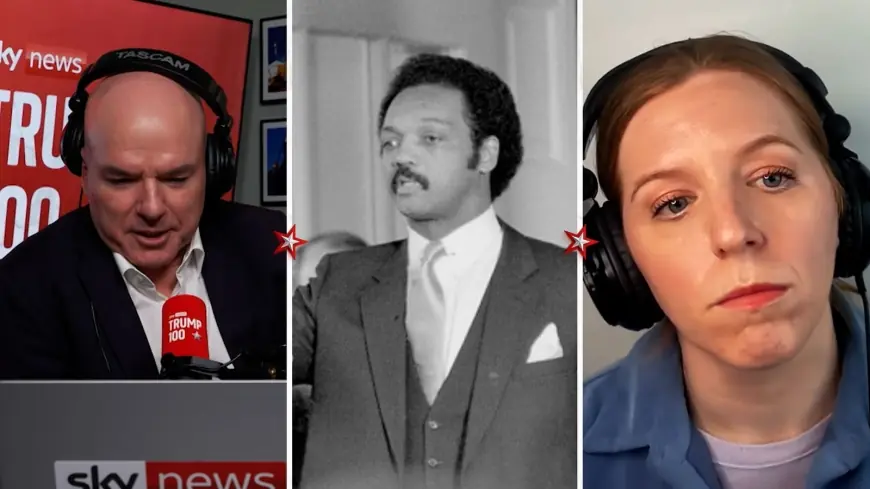
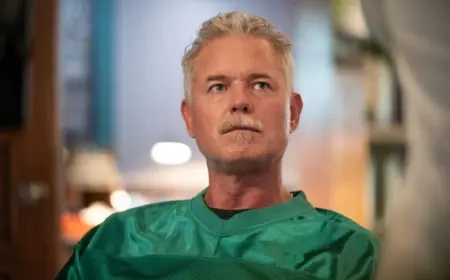
Jesse Jackson’s death at 84 has prompted renewed attention to one lesser-known episode of his long public life: a discreet effort in 1999 that led to the release of three American soldiers captured near the Macedonian-Yugoslav border. One of those freed, former US Army sergeant Andrew Ramirez, recalls stepping out of captivity to see Jackson standing on the other side of the cameras.
A surprise release amid war
In March 1999, during the intensifying conflict around Kosovo, Ramirez and two comrades were on a routine patrol when they encountered Yugoslav forces. After a brief firefight they were taken prisoner and held for more than a month in harsh conditions that included prolonged interrogations and confinement. Ramirez later described the moment of release as baffling: without warning he and the others were led into a room where news crews were assembled. There, he saw a familiar face — the civil rights leader and Baptist minister who had long marched beside major causes of the previous decades.
The intervention that led to that scene had been quietly orchestrated in the weeks prior. At a time when NATO airstrikes were underway, Jackson made the controversial choice to travel to the region with a multifaith delegation and political allies, insisting on meeting senior officials to press for the soldiers’ safe return. His insistence that he be allowed access to see the prisoners was a crucial bargaining position that, by Ramirez’s account, helped bring about the unexpected release.
Private diplomacy and political friction
Jackson’s trip unfolded against official reluctance. The administration in power at the time warned that military operations would continue regardless, and some advisers cautioned against private missions that might complicate wider strategy. Even so, Jackson and his partners pursued direct engagement with the Yugoslav leadership. Those efforts included high-level meetings in Belgrade and appeals framed as humanitarian interventions rather than public grandstanding.
Ramirez has expressed gratitude for the effort, saying it felt as though someone had spoken up for them when they had no voice. He later joked about the surreal image of seeing a civil rights icon briefly standing where captors had once stood. For Jackson, the episode was consistent with a pattern: over decades he had deployed what some called private diplomacy to secure the freedom of Americans abroad, often stepping into diplomatic gaps where formal channels were unwilling or unable to act quickly.
Legacy beyond the moment
The 1999 prisoner release sits alongside a wider legacy that blends civil rights activism, electoral politics and global moral advocacy. Jackson’s public life stretched from the sit-ins and marches of the 1960s through presidential campaigns and an evolving role as a national interlocutor on race, poverty and international human rights. He positioned himself as a voice for the disadvantaged while also exercising influence through discrete interventions when lives were at stake.
Those who were directly affected by his actions remember him for the personal risks he took and the attention he drew to cases that might otherwise have remained invisible. For Ramirez and the other soldiers, the intervention was immediate and practical: it returned them to their families and ended weeks of uncertainty. For the broader public, it reinforced an image of Jackson as a figure willing to step into fraught diplomatic terrain on humanitarian grounds.
As tributes and debates about his influence continue, this 1999 episode stands as a clear example of how one individual’s determination to act outside standard diplomatic channels can change outcomes on the ground. Whether as public advocate or private negotiator, Jackson’s interventions shaped moments both symbolic and lifesaving — and remain a defining part of the record he leaves behind.