













robert duvall’s unexpected love affair with Scottish football and the praise of collaborators

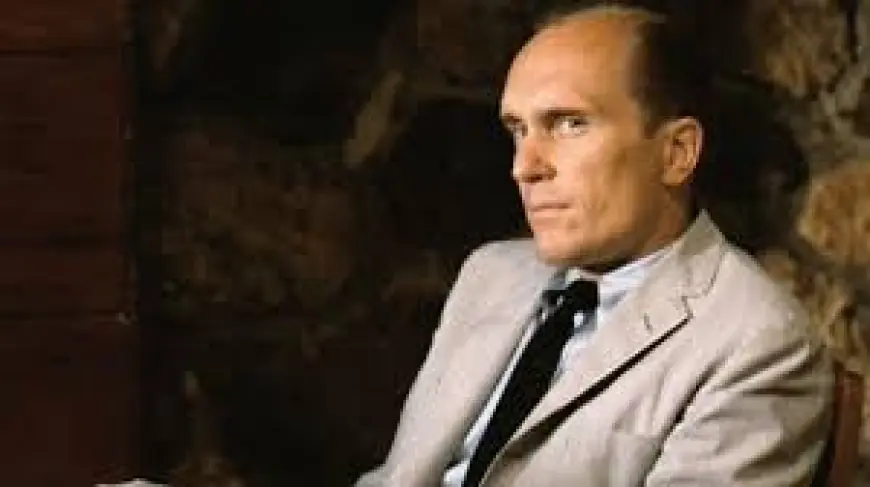
One of Hollywood’s most respected actors spent part of his later career wandering Scottish terraces and pacing the touchline — a surprising chapter in a life defined by weighty performances and artistic autonomy. The visits grew out of a film project that brought thousands of local fans out to watch a movie shoot, while colleagues in recent years recalled an artist whose presence anchored every set.
On the touchline: A Shot at Glory and real-life crowds
In the late 1990s, the actor took on the unlikely role of a Scottish football manager for a feature about a fictional club’s run to a national cup final. He traveled the country scouting grounds, turning up unannounced at small-town car parks and inspecting stadia from Hampden Park down to Palmerston Park in Dumfries. A local reporter remembers being summoned at short notice to meet him in a car park in 1998 — a fleeting encounter that hinted at the larger presence he would become in the weeks that followed.
Filming brought thousands of onlookers to Queen of the South’s ground and elsewhere, where the production recreated match moments with repeated takes and earnest attempts at overhead kicks. The shoot transformed ordinary club days into memorable events, with the actor — an Oscar-winner — occasionally seen pacing the touchline and sharing in the local football atmosphere. Though the film itself is not counted among his most celebrated works, the community response has ensured it remains fondly recalled by supporters who lined the terraces to watch a Hollywood star at close quarters.
“He was the rock”: colleagues on his craft and presence
In later projects, collaborators noted a mix of vulnerability and steadiness that defined his approach. A director who worked with him on a 2018 thriller remembered the actor arriving on set visibly nervous, despite a career stretching back decades. That nervousness, the director said, was a sign of artistic seriousness: he treated each role as fresh, never relying solely on past achievements.
Once the work began, the same collaborator said, the actor brought a gravitational pull to every scene. He could ground a cast, pulling performances toward the centre of the story. He was also capable of unexpected moments on set — breaking into song mid-take, or being quietly guided through lines by his wife an earpiece — touches that revealed both professionalism and a playful, searching approach to performance.
A wide-ranging artist who bet on himself
Across a long career he moved between acting, writing and directing, taking risks few stars of his stature would. He wrote and directed projects that let him stretch into spiritual and character-driven work, and he exercised choices about roles that reflected a confidence in his own instincts. Stories of him turning down parts, writing songs for a film, or taking unconventional projects underline a career led by curiosity rather than convention.
Those closest to him suggested that autonomy was central to his satisfaction as an artist. The combination of craft, range and the willingness to embrace both small community moments and high-profile roles contributed to a legacy that resonated with local fans and fellow filmmakers alike. In recollections from collaborators, there is a through-line: a performer who brought seriousness and warmth to his work, who could be nervy in private yet immovable and commanding in performance — a figure they called the rock.
As memories of his time in Scotland and on later sets circulate this week, they add nuanced, human notes to the portrait of a singular career: a Hollywood legend who, for a time, happily walked the touchlines of small football grounds and left a lasting impression on those who worked with him.